


- Adrenaline and the "lucid interval" can temporarily mask the severe pain and cognitive disruptions of a traumatic brain injury immediately following a high-speed car crash.
- Delayed symptoms of brain swelling, such as persistent headaches, nausea, or cognitive changes, can manifest days or weeks after a collision, indicating a potentially catastrophic medical emergency.
- Chronic subdural hematomas involve slow internal bleeding that may not present symptoms for weeks, making immediate medical diagnostic tools like CT scans and MRIs essential for a timely diagnosis.
- Insurance adjusters often use gaps in medical treatment to deny or devalue personal injury claims, arguing that delayed brain injury symptoms are unrelated to the initial car accident.
- Consulting a personal injury attorney is vital to establish medical causation and counter insurance denial tactics when dealing with the long-term financial consequences of a delayed traumatic brain injury.
A high-speed car crash is a violent event, resulting in immediate physical trauma that often sends victims into a state of shock. The body's powerful release of adrenaline quickly masks immediate pain and cognitive disruptions. This natural protective mechanism can, unfortunately, lead many victims to believe they’re fine, only to wave away first responders or refuse transport to the hospital.
Yet, serious internal injuries, particularly those involving the head and brain, don't always present right away. Delayed symptoms, which can manifest hours, days, or even weeks later, pose a catastrophic risk, especially concerning conditions like brain swelling and subdural hematomas. The gap between the crash and the onset of symptoms creates both a medical time bomb and a severe legal vulnerability. Keep reading to learn more about the hidden dangers of delayed brain injury symptoms following a collision.
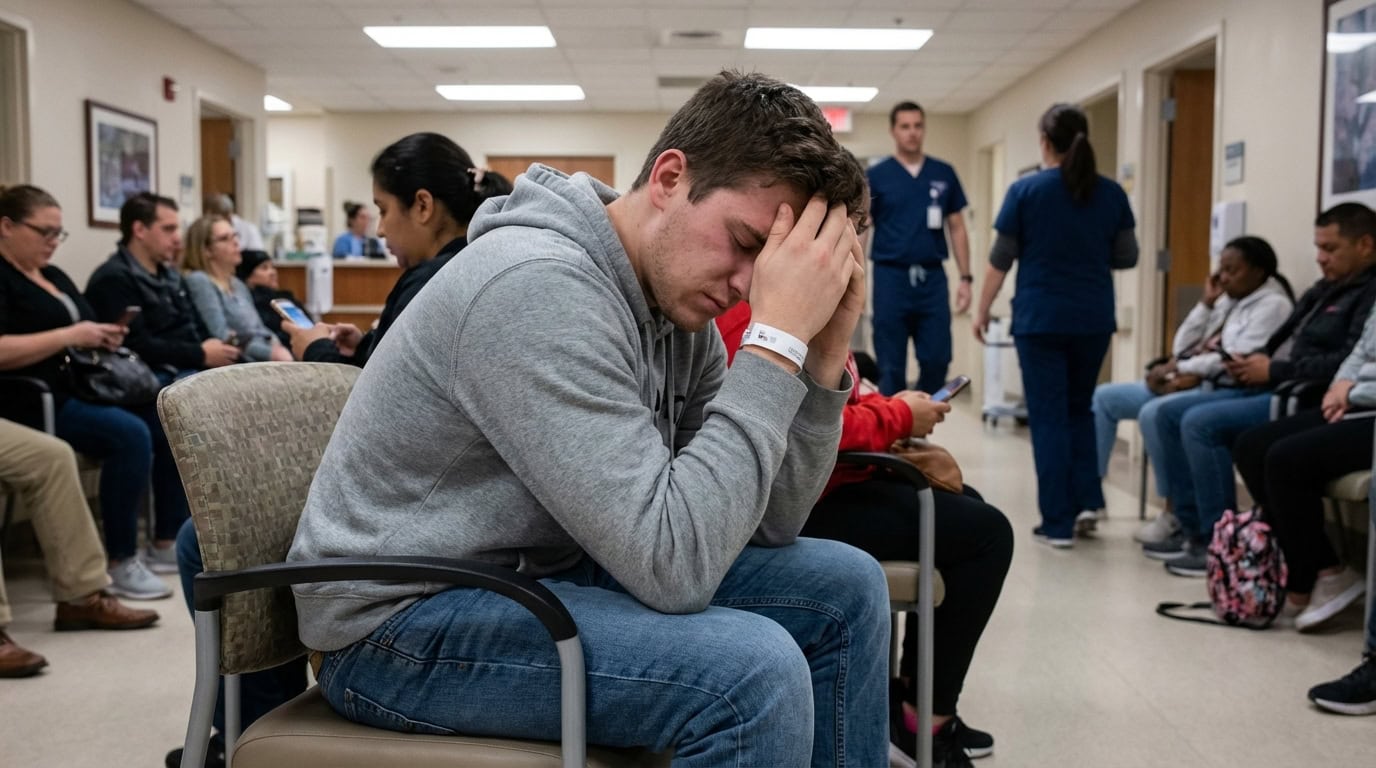
Why Brain Injuries Don't Always Hurt Right Away
It's a common misconception that if a head injury is severe, the symptoms will be immediate and debilitating. However, the body's physiological responses to severe trauma often delay the recognition of a traumatic brain injury (TBI). The deceptive latency of symptoms isn't an indication that the injury is minor.
This lag is caused by a complex interaction of chemical responses and the slow progression of internal damage. Understanding why symptoms are delayed can empower accident victims to seek help even if they feel relatively normal immediately after impact. It's important to remember that although approximately 90 percent of concussion symptoms are transient and typically resolve within 10 to 14 days, serious injuries can cause symptoms to linger or worsen over time.
The Phenomenon of the 'Lucid Interval'
The "lucid interval" refers to a temporary period of consciousness and apparent normalcy following a severe head trauma. During this time, the victim may seem coherent and capable of normal conversation. This deceptive period can last minutes or several hours.
The underlying cause of the lucid interval is often slow bleeding or swelling inside the skull. With injuries like an epidural or subdural hematoma, the blood hasn't yet accumulated enough volume to exert severe pressure on the brain tissue. However, this gradual pressure buildup is a ticking clock, and studies show that an estimated 20 to 50 percent of patients with an epidural hematoma experience such an interval before their condition rapidly deteriorates.
Adrenaline, Shock, and Pain Management
Immediately following a violent car crash, the body triggers the "fight-or-flight" response, flooding the system with adrenaline. This powerful surge of chemicals and hormones, including endorphins, temporarily suppresses pain signals and dampens emotional distress. This natural mechanism provides temporary pain management that can lull a victim into a false sense of security.
It’s often this temporary masking effect that causes victims to mistakenly refuse transport from the accident scene, believing they have only minor bumps and bruises. As adrenaline levels begin to drop in the hours following the crash, the true, delayed symptoms of a traumatic brain injury begin to manifest. Gradual inflammation and swelling from the internal injury worsen over time, becoming noticeable once the body's natural pain-suppressing mechanisms wear off.
The Critical Signs of Delayed Brain Swelling and Hematomas
A traumatic brain injury (TBI) is defined as a disruption in the normal function of the brain that can be caused by a bump, blow, or jolt to the head. While accident victims rightly focus on visible injuries like broken bones or lacerations, internal injuries like brain swelling often present with subtle, progressive, or fluctuating symptoms. These delayed symptoms can be easily dismissed as simply stress or minor ailments from the impact.
Up to an estimated 30 percent of concussion symptoms are delayed, sometimes by hours, days, or even weeks, leading to what is called post-concussion syndrome. Recognizing these warning signs is urgent because they often represent a rapidly worsening medical emergency. Since time is critical when dealing with potential brain swelling, any of these progressive symptoms necessitate an immediate evaluation by a medical professional.
Physical and Neurological Red Flags
One of the most common delayed symptoms is a persistent or worsening headache that doesn't respond to typical over-the-counter medication. This symptom is often accompanied by nausea and sudden vomiting, which is a strong indicator of increased intracranial pressure.
If the brain tissue begins to swell significantly, it can compress the blood vessels within the rigid confines of the skull. Without adequate blood flow, the brain doesn't receive the oxygen and glucose it needs. Victims may also experience balance and motor function issues, such as severe dizziness, lightheadedness, or vertigo that make standing difficult. Trouble with coordination, slurred speech, or weakness and numbness in the face or limbs can also indicate growing pressure on the brain.
The most severe emergency red flags require an immediate 911 call, as they indicate catastrophic brain damage. These symptoms include seizures, clear fluid draining from the nose or ears, or pupils that are unequal in size and don't react normally to light. Any sudden decline in consciousness or difficulty waking up easily is also extremely serious.
Cognitive and Emotional Changes
Beyond the physical signs, traumatic brain injuries frequently cause less obvious but equally concerning cognitive symptoms. Many victims report memory issues, such as difficulty recalling recent events or an inability to learn new information. They may also struggle with concentration, often describing the feeling as "mental fog" that makes simple tasks feel overwhelming.
Emotional and behavioral changes are also a common delayed symptom. A person who was typically calm may become uncharacteristically irritable, anxious, or depressed following the accident. Family members and loved ones frequently report significant mood swings or a notable change in overall personality.
Furthermore, sleep disturbance is a very common symptom following a TBI. An estimated 30 to 70 percent of people with a TBI suffer from conditions like insomnia, excessive fatigue, or disruptive sleep patterns. These issues often contribute to the persistent "fog" and irritability experienced during waking hours.
Subdural Hematoma: The Quietly Catastrophic Injury
A subdural hematoma (SDH) is one of the most serious delayed-onset TBIs associated with high-speed car accidents. This condition involves bleeding on the surface of the brain, directly beneath the dura mater, the tough outer membrane. Subdural hematomas occur in around 1 in 4 people who suffer head injuries.
While symptoms of an SDH may appear immediately, the chronic form is most responsible for delayed presentation. This slow-developing condition poses complex challenges to timely diagnosis and subsequent treatment, making it a critical focus in any personal injury claim.
Acute vs. Chronic Subdural Hematoma
Subdural hematomas are typically classified by the speed at which the symptoms appear. An Acute Subdural Hematoma (ASDH) is the most immediate form, where symptoms present within hours of a severe trauma. This rapid onset often requires emergency surgery to relieve pressure from the rapid accumulation of blood.
A Chronic Subdural Hematoma (CSDH) is characterized by a slow bleed, often resulting from a small tear in a bridging vein on the brain's surface. This slow, venous bleed allows blood to accumulate gradually over days or weeks. Symptoms of CSDH may develop over time, even weeks to months after the initial injury, which can delay presentation.
This type of hematoma is more common in older adults because natural brain shrinkage stretches and weakens the bridging veins, making them susceptible to breaking, even after a minor head injury. When delayed symptoms finally appear, a doctor will rely on advanced diagnostic tools like CT scans and MRIs to confirm the internal bleeding and evaluate the extent of the brain swelling.
Navigating the Legal Pitfalls of a Delayed TBI Claim
Victims who initially feel fine and delay seeking treatment often face immense legal challenges later. The delayed nature of the injury, such as a developing Chronic Subdural Hematoma, is precisely what insurance adjusters will use to deny or devalue a claim. This is especially true in Florida, where personal injury claims are generally subject to a two-year statute of limitations, making prompt action essential for victims.
The "wait and see" approach is a serious legal mistake because it gives the insurance company the perfect opportunity to argue that the injury is unrelated to the car accident. If a week or two passes between the collision and the first doctor's visit, adjusters will seize on that gap, claiming the injury occurred in a subsequent, undocumented event.
Insurance Company Denial Tactics
Insurance companies frequently use several arguments when challenging delayed Traumatic Brain Injury claims. They may claim the TBI was pre-existing, occurred in a subsequent, undocumented event, or is simply not as severe as claimed due to the significant gap in treatment. Without immediate documentation, they argue there’s no proof that the crash caused the subsequent symptoms.
The lack of immediate medical documentation is the insurance company's primary tool for challenging causation and undervaluing a settlement. Studies have shown that those with delayed concussion diagnoses had significantly more medical visits and a longer average time until symptom resolution.
Furthermore, a significantly higher proportion of subjects with delayed diagnoses developed persistent post-concussive symptoms compared to those with immediate diagnoses, making the financial consequences greater, yet harder to claim. The insurer's goal is to exploit this time gap to limit its financial exposure, making it essential to hire a Fort Lauderdale personal injury lawyer for a chronic subdural hematoma claim.
Because the symptoms of a Chronic Subdural Hematoma can be delayed, a doctor needs a clear medical history from the scene to connect the injury to the collision for proper diagnosis. Seeking immediate medical attention after the crash, even if initial scans are "clear," establishes the necessary baseline medical record. This action links the trauma of the high-speed accident to the victim before the delayed symptoms begin to appear. This medical record is absolutely crucial to any personal injury claim, as it proves that the injury was, in fact, caused by the crash.
The Role of a Florida Personal Injury Attorney
For victims dealing with delayed brain injuries, hiring an experienced personal injury attorney is critical. A lawyer specializing in complex injury cases can gather necessary evidence, such as accident reconstruction analysis, and secure detailed medical evidence to establish causation definitively. They know how to counter the insurance company's arguments about the treatment gap and fight for maximum recovery.
A lawyer works closely with top medical experts, including neurologists and neurosurgeons, to build a strong legal case. These experts can provide expert testimony that definitively connects the delayed symptoms, such as a CSDH, to the trauma of the high-speed crash. This professional testimony is essential for overcoming the insurance company's claims that the injury is unrelated, proving causation for a delayed TBI after a car crash in Florida.
Protect Your Health and Your Rights: Speak to a Fort Lauderdale Injury Lawyer Today
The threat of delayed brain swelling, particularly catastrophic injuries like a subdural hematoma, after a high-speed car crash cannot be overstated. Because symptoms can take weeks to appear, immediate medical evaluation and thorough documentation are necessary to protect your long-term health and financial stability.
If you're experiencing delayed symptoms or if an insurance company is denying your TBI claim due to a gap in treatment, you need to speak with a personal injury lawyer as soon as possible. Weinstein Legal Team specializes in fighting on behalf of clients who have experienced brain swelling and other brain injuries after an accident.
Call Weinstein Legal Team 24/7 at 888.626.1108 to speak with a lawyer about your injury claim, or click here to schedule your free case review today.