
Suspecting you have an open warrant in Florida is an unpleasant place to be, and the worst way to find out is at a traffic stop. Florida logs active warrants in statewide and county systems, some of which the public can search and some of which it cannot. This page covers where to look, what each source does and does not show, and what to do once you find one.
How Warrants Work
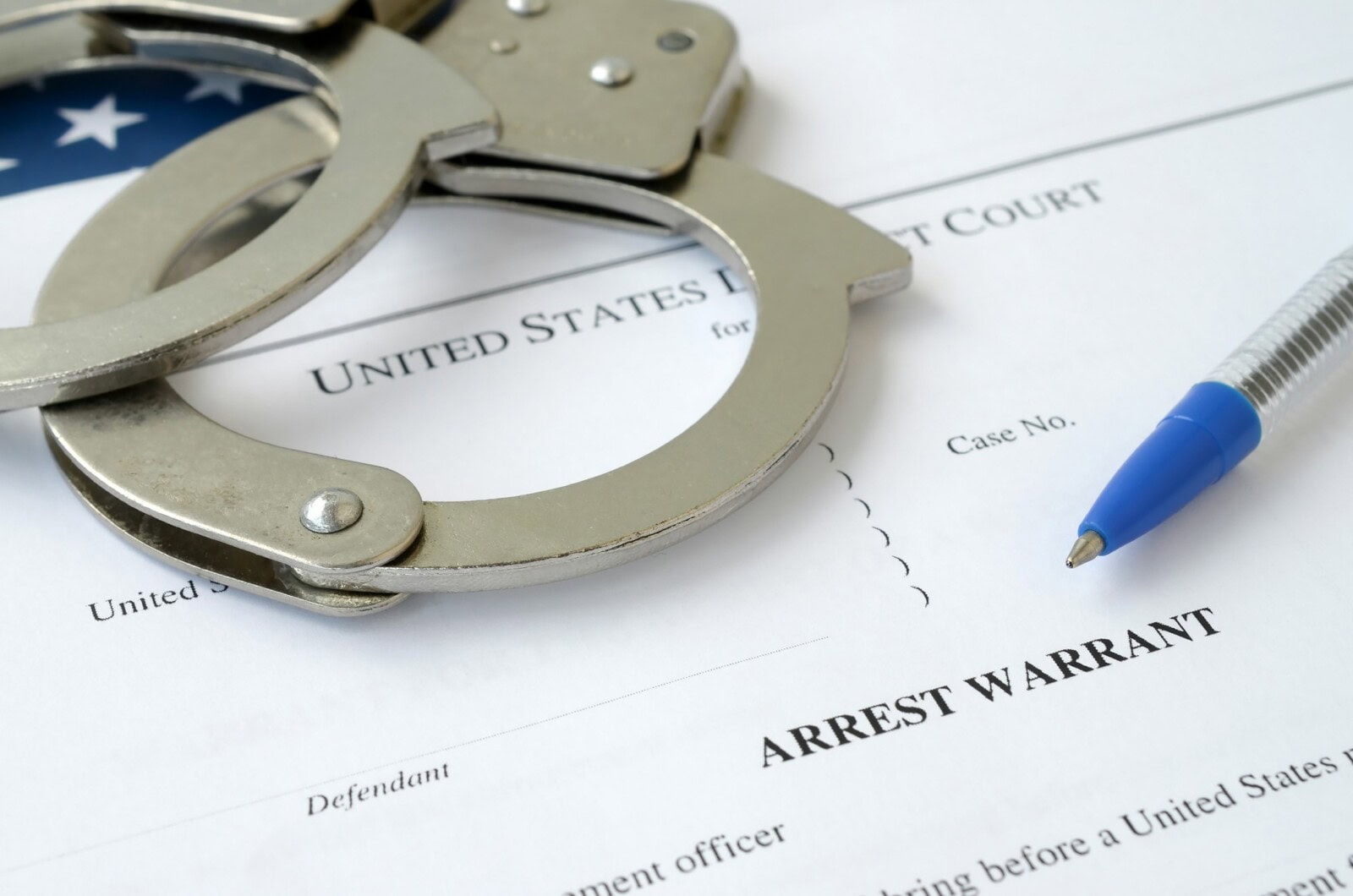
Warrants authorize law enforcement officers to take certain actions, such as arrests, searches, and seizures. This process is designed to ensure that individuals' rights and privacy are protected, as stated in the Fourth Amendment to the U.S. Constitution.
Types of Warrants
Three main types of warrants can be issued in Florida criminal proceedings:
| Warrant Type | Primary Purpose | Common Triggers |
|---|---|---|
| Arrest Warrant | Authorizes law enforcement officers to arrest and detain an individual suspected of committing a crime. | Probable cause established by law enforcement and approved by a judge. |
| Bench Warrant (Capias) | Directs police officers to take an individual into custody and bring them directly before the court. | Failure to appear in court, violation of probation, or failing to comply with a court order. |
| Search Warrant | Authorizes officers to search a specific vehicle, physical location, or electronic device for criminal evidence. | Sworn police affidavit demonstrating probable cause that specific evidence is currently at that location. |
Legal Framework for Warrants
The legal framework for warrants in Florida is outlined in the Florida Statutes and the state constitution. Arrest warrants are primarily governed by Florida Statutes Chapter 901, which requires a judicial officer to examine the complaint and find probable cause before issuing an arrest order. Search warrants, on the other hand, are governed by Florida Statutes Chapter 933, which requires law enforcement officers to submit an affidavit specifically describing the person, place, or thing to be searched and the evidence they expect to find.
In most cases, the Florida Department of Law Enforcement (FDLE) works with local law enforcement agencies to execute warrants and provide accurate information to the public. The FDLE maintains a Florida Statewide Warrant Search System that contains information on public warrants reported by law enforcement agencies throughout the state. This system helps track outstanding warrants and ensures that law enforcement can process them efficiently.
Situations When Warrants Aren’t Required
There are exceptions in which law enforcement officers may conduct searches without a warrant, such as during a traffic stop, when exigent circumstances exist, or when the person being searched has given consent.
How to Search for Active Warrants in Florida
Citizens can search for active warrants in Florida through several channels, including the statewide FDLE system, county-level sheriff and clerk databases, and through a criminal defense attorney operating under attorney-client privilege. Each option carries different trade-offs in terms of completeness and privacy.
FDLE Warrant Search System
The Florida Department of Law Enforcement (FDLE) offers a specialized FDLE Warrant Search System that allows you to perform a free warrant search for active warrants in Florida. To run an FDLE warrant search, visit the official FDLE Public Access System portal and follow these steps:
- Navigate to the WANTED PERSONS SEARCH page.
- Enter the person's name or other identifying information.
- If a result appears, do not contact law enforcement directly without first speaking with a defense attorney. If no result appears, note that the FDLE system only reflects warrants agencies have submitted for public release and may not reflect all active warrants.
A clean result is not proof of a clean record. Warrants are sometimes entered with the wrong name or date of birth, either from a clerical error or because someone gave false identification at arrest, so a search on your own details can miss one that is genuinely yours.
County-Level Warrant and Clerk of Court Searches
Because the statewide FDLE database only displays warrants authorized for public release and submitted by local agencies, it is not always exhaustive. Local warrants, such as bench warrants, juvenile warrants, or warrants for misdemeanor failure to appear, may only be visible at the county level. To conduct a localized search, you should utilize these resources:
- Many Florida sheriff offices, including Hillsborough, Miami-Dade, Orange and Pinellas, run their own online warrant search databases and update them frequently.
- County court dockets are searchable online through the local Clerk of the Circuit Court, and a capias or bench warrant usually shows up there as a docket entry under your case history.
Hire A Defense Attorney To Run A Search
To ensure your privacy is completely protected, hiring a criminal defense lawyer to conduct your warrant search is the safest option. If you attempt to search local sheriff databases yourself, your IP address or search queries could theoretically draw law enforcement attention. A criminal defense lawyer can conduct search inquiries on your behalf under the protection of attorney-client privilege. Attorneys can also reach restricted court databases and call investigating detectives directly to find out whether a "pocket warrant" exists, meaning one a judge has signed but that has not been uploaded to public databases, without triggering your immediate arrest.
What to Do if You Find a Warrant
If you have an outstanding warrant in Florida, you should address it as quickly as possible. Seek legal counsel and contact law enforcement in a structured, attorney-managed process to protect your rights and minimize time in custody. In some cases, your attorney may also file a motion to quash the warrant, which is described below.
Seeking Legal Assistance
Contact an experienced attorney who can guide you and protect your rights. An attorney can help you confirm the type of warrant issued against you, whether an arrest warrant or a bench warrant, determine its origin, and advise on the fastest path to resolution.
In addition to retaining legal counsel, you may also want to consider a bail bondsman. Depending on the circumstances and the type of warrant, a bail bondsman can help you post bail and avoid spending time in jail until your court date.
Contacting Law Enforcement
Once an active arrest warrant is verified, your attorney can help you arrange a structured surrender, often called a "walk-through." Simply walking into a police station to discuss the matter will usually result in immediate booking and detention. In a coordinated self-surrender, your attorney works with the local jail and a bail bondsman beforehand. This process allows you to turn yourself in, undergo rapid processing and booking, and immediately post bail to secure your release within a few hours. This organized approach minimizes the time spent in custody, avoids an embarrassing public arrest at your home or workplace, and demonstrates a proactive, cooperative attitude to the court.
In certain situations, your attorney may be able to file a motion to quash the warrant rather than proceeding directly to surrender. This is most common with bench warrants issued for failure to appear, where your attorney can petition the court to recall the warrant, reschedule the missed hearing, and keep you out of custody entirely. Whether a motion to quash is viable depends on the type of warrant, the underlying charge, and how long the warrant has been outstanding.
Speak To An Attorney About An Outstanding Warrant In Florida
If you have an outstanding warrant in Florida, speak with a criminal defense attorney as soon as possible. A warrant does not expire on its own. The longer it sits, the more likely the arrest happens somewhere you would rather it did not, and the harder it gets to persuade a judge to recall the warrant instead of setting bond.
Call the Weinstein Legal Team at 888.626.1108 or click here to schedule a free case review with an attorney today.