
A Florida risk protection order (RPO) temporarily takes firearms and ammunition away from a person a court finds poses a significant danger of causing personal injury to themselves or to someone else. The Marjory Stoneman Douglas High School Public Safety Act created them in 2018 and they are codified at Florida Statute 790.401.
When faced with a risk protection order, gun owners must act quickly and carefully to protect their rights while ensuring full compliance with the law. Keep reading to learn about available storage options and compliance requirements during the order period.
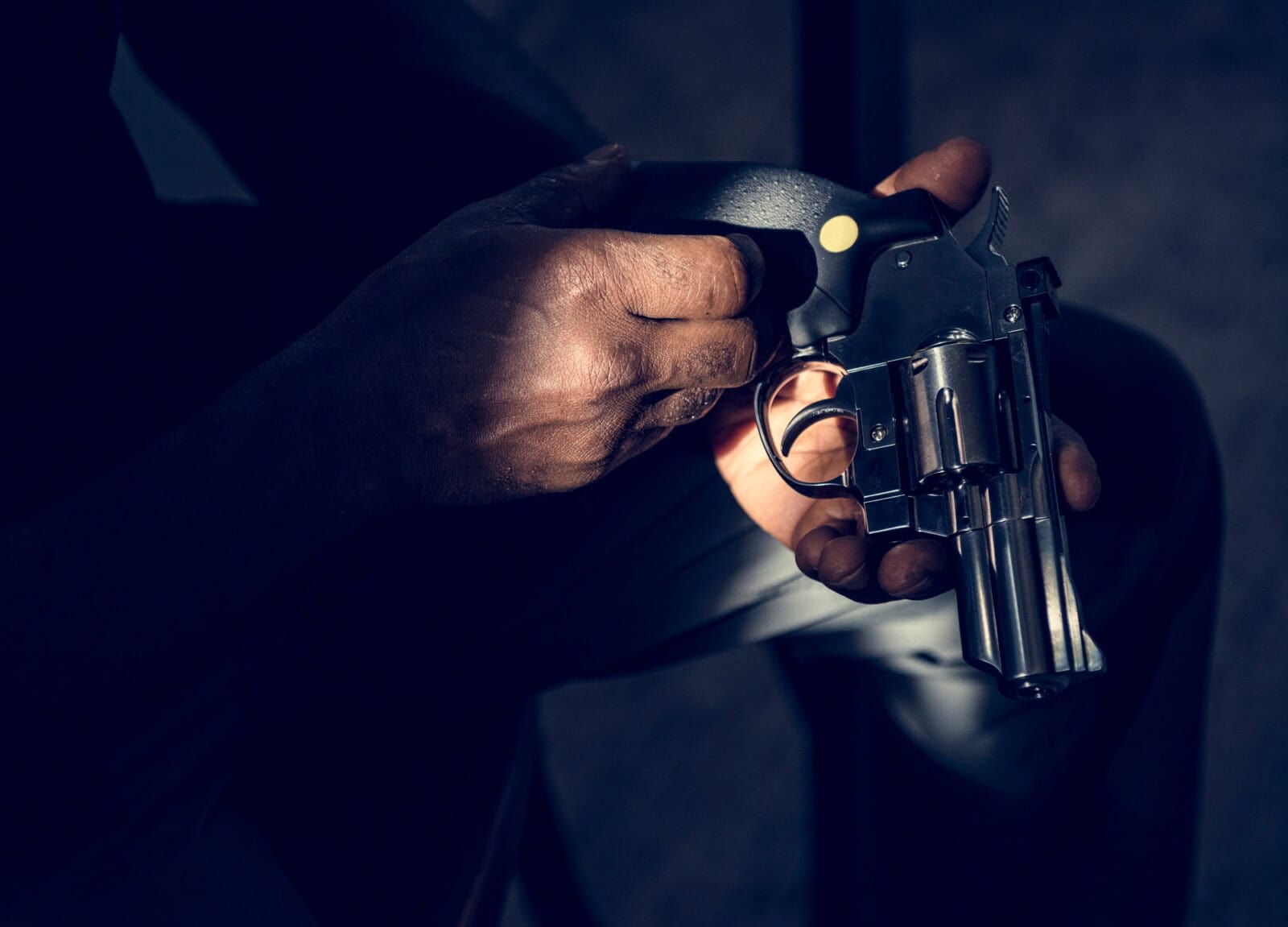
Understanding Florida's Red Flag Law Requirements
Florida's Red Flag law allows law enforcement agencies to petition the court for a Risk Protection Order when they have evidence that an individual poses a significant risk. The evidence may include recent threats, acts of violence, mental health concerns, or substance abuse issues. Once a petition is filed, the court can issue a temporary ex parte order requiring immediate surrender of firearms.
Under Florida Statute 790.401, a person served with a risk protection order must surrender all firearms, ammunition and any concealed weapon or firearm license immediately. There is no 24 hour grace period. Section 790.401(7)(b) puts the surrender in the hands of the local law enforcement agency, the officer issues a receipt identifying everything taken, and Section 790.401(7)(f) sets a compliance hearing no later than 3 business days after the order issues.
A final risk protection order runs for the period the court sets, up to and including 12 months, under Florida Statute 790.401(3). Ending it early is on you, not on the agency that filed it. Florida Statute 790.401(6) lets the respondent submit one written request for a hearing to vacate per order period, and at that hearing the respondent has to prove by clear and convincing evidence that they no longer pose a significant danger.
These orders cover firearms, ammunition, concealed weapons permits, and other weapons specified in the order. Throughout the duration of the order, all items must be properly documented and stored according to legal requirements.
Legal Storage Options for Firearms
When you are subject to a risk protection order, where the firearms actually go decides whether you stay in compliance and whether you get them back. Florida Statute 790.401(7) is narrow about this, so read the options below against what your order says rather than against what a dealer or a friend tells you.
Surrender to Local Law Enforcement
This is the route the statute actually provides. Under Florida Statute 790.401(7)(a) the court orders you to surrender every firearm, all ammunition and any concealed weapon or firearm license held under s. 790.06 to the local law enforcement agency. Under 790.401(7)(b), the officer serving the order asks for them on the spot, and if you were present at the hearing instead of being served you surrender immediately to the local agency yourself.
Florida Statute 790.401(7)(c) requires the officer taking possession to issue a receipt identifying every firearm, the quantity and type of ammunition, and any license surrendered, and to give you a copy. Keep it. That receipt is both your proof of compliance and your inventory when you ask for the property back.
There is normally no storage fee for this. Florida Statute 790.401(7)(g) requires every law enforcement agency to develop written policies covering how it accepts, stores and returns surrendered firearms, so ask the agency serving your order for its policy in writing rather than relying on what the desk tells you.
Return to a Third Party Who Owns the Firearm
Florida Statute 790.401(7)(e) is the only third-party route in the statute, and it is narrower than most people expect. It applies where a person other than the respondent claims title to a surrendered firearm or ammunition and the law enforcement agency determines that person is the lawful owner. The agency then returns the item to that owner on two conditions: the owner agrees to store it so the respondent has no access to or control of it, and the owner is not otherwise barred from possessing it.
Read that as what it is. It is a way to get a spouse's or a relative's own firearm out of the agency's custody. It is not permission to hand your firearms to a friend, a relative or a licensed dealer for safekeeping. If the firearm is yours, 790.401(7)(e) does not reach it. Anything other than surrender to law enforcement needs to go past the court and past your lawyer before you move a single item.
Maintaining Legal Compliance
Proper documentation and regular communication with relevant authorities are essential throughout the storage period. This helps avoid legal complications and ensures a smooth return of property when the order expires.
Documentation Requirements
The receipt issued under Florida Statute 790.401(7)(c) is the document that matters. Keep the original, give a copy to your lawyer, and take it to the compliance hearing. Florida Statute 790.401(7)(f) requires the court to set that hearing and to order you to appear no later than 3 business days after the order issues, and it is where you show that the surrender actually happened.
Turning up to that hearing without proof is how a manageable order turns into a criminal case. Under Florida Statute 790.401(11)(b), having a firearm or ammunition in your custody or control, or purchasing, possessing or receiving one, knowing an order under this section prohibits it, is a felony of the third degree.
Regular Status Updates
Some jurisdictions require periodic updates to verify continued compliance with the storage requirements. These updates may include statements from storage facilities or third-party holders confirming the firearms remain secure.
Law enforcement may conduct periodic checks to verify compliance, particularly in cases involving third-party transfers. Prompt cooperation with these verification procedures helps maintain good standing with the court.
Common Mistakes to Avoid
The most common mistake is treating surrender as something you have a day or two to arrange. There is no 24 hour window. Florida Statute 790.401(7)(b) has the serving officer request immediate surrender, and if you were at the hearing you surrender immediately to the local law enforcement agency. Nothing about the deadline is negotiable at the counter.
Getting access to a stored firearm through someone else, or moving guns to a friend rather than surrendering them, is exactly what Florida Statute 790.401(11)(b) makes a third degree felony. Keep the two consequences separate in your head. The risk protection order itself is temporary and runs no more than 12 months. A felony conviction that comes out of violating one is not temporary at all.
Retrieving Firearms After Order Expiration
The process of reclaiming firearms begins once the risk protection order expires or is terminated by a court order. Understanding the retrieval requirements helps ensure a smooth transition of property.
Legal Requirements for Retrieval
Florida Statute 790.401(8)(a) sets the conditions. The agency holding your firearms, ammunition and concealed weapon or firearm license must return them when you ask, but only after two checks: a background check confirming you are currently eligible to own or possess firearms and ammunition under federal and state law, and confirmation with the court that the order has been vacated or has ended without extension.
Two further rules catch people out. Under Florida Statute 790.401(8)(c) the agency must give notice to your family or household members before it returns anything. And under Florida Statute 790.401(8)(d), any firearm or ammunition left unclaimed for 1 year after an order to vacate is disposed of under the agency's own policy for firearms in police custody, so do not let the file go quiet.
Your Concealed Weapon License
A suspended license does not come back on its own. Florida Statute 790.401(8)(b) requires the Department of Agriculture and Consumer Services to reinstate it only after confirming you are currently eligible to hold one under Florida Statute 790.06. Start that separately from the firearms themselves, because the two run on different tracks and the agency holding your guns does not do it for you.
Speak To An Attorney About Your Risk Protection Order
Facing a risk protection order in Florida requires immediate action and careful attention to legal requirements. Improper handling of firearms storage or documentation can result in serious legal consequences, including potential criminal charges.
The experienced criminal defense attorneys at Weinstein Legal Team are available 24/7 to help protect your rights and ensure full compliance with your Red Flag order. Call Weinstein Legal Team now at 888.626.1108 to start a free case review with an attorney, or click here to schedule your case review online.