
Florida has no per se THC limit for drivers. A marijuana DUI is charged under section 316.193, Florida Statutes, which requires proof that a substance controlled under chapter 893 affected the driver to the extent that their normal faculties were impaired. That single difference from states like Colorado is what makes these cases turn on the officer's observations rather than on a number, and it is why the cost and consequences of a DUI can follow a driver who was never over any limit.
Marijuana impairs motor skills, judgment and reaction time, and Florida law does not care whether the use was recreational or medical. Article X, section 29(c)(4) of the Florida Constitution, the medical marijuana amendment itself, says that nothing in it permits the operation of any vehicle, aircraft, train or boat while under the influence of marijuana. A card from the medical marijuana use registry is not a defense to a DUI charge.
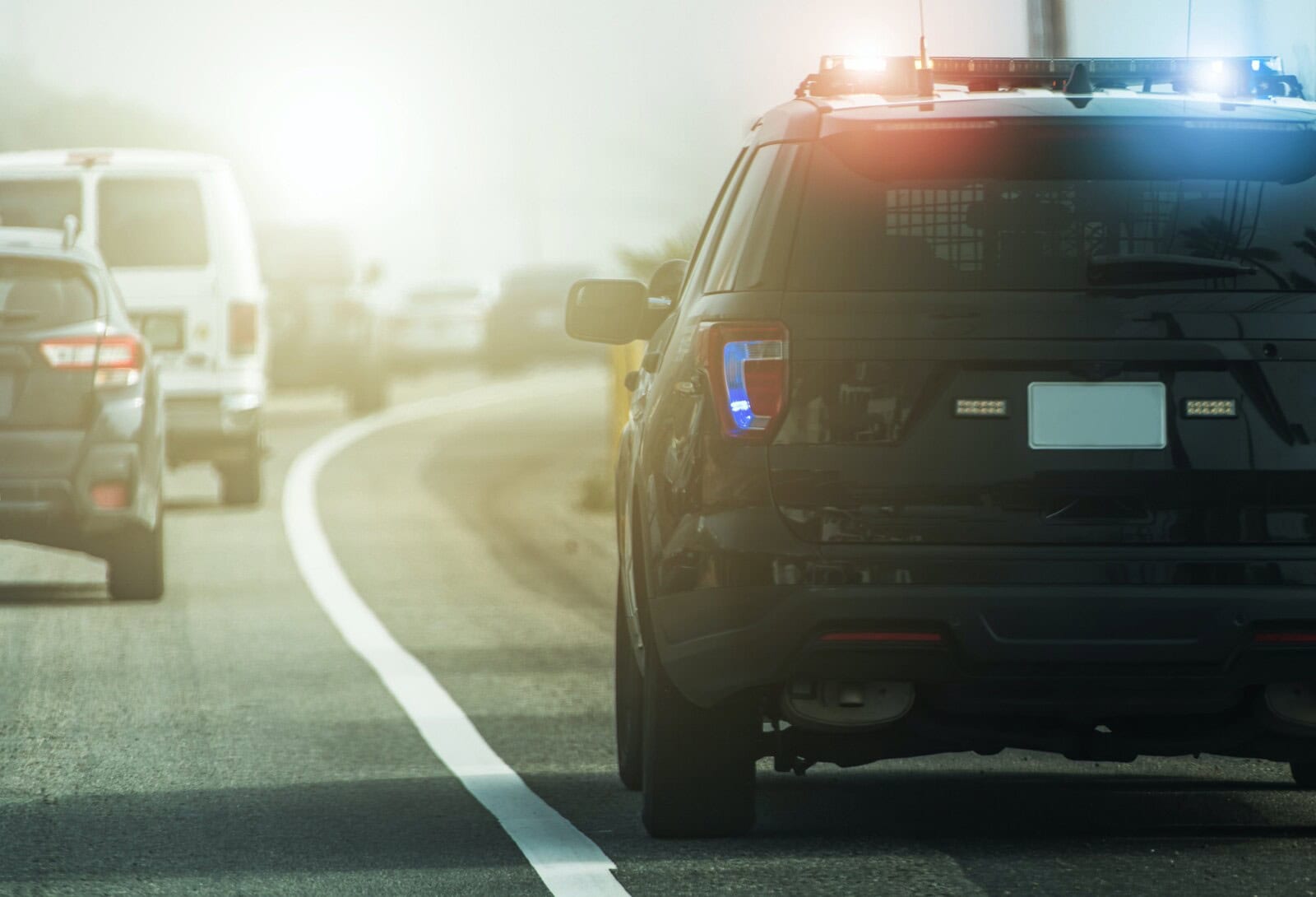
Marijuana's Impact On The Body And Driving
The primary psychoactive compound in marijuana, delta-9-tetrahydrocannabinol (THC), interacts with the body's endocannabinoid system, affecting various physiological and psychological functions. Physically, marijuana can cause changes in heart rate, blood pressure, and coordination. Psychologically, it can impact mood, memory, perception, and cognitive abilities.
How Marijuana Can Affect Driving Abilities
The driving skills that require concentration, coordination, and quick reactions are the ones marijuana impairs most. Drivers under the influence of marijuana may have slower reaction times, making it difficult to react to sudden changes in traffic, such as a pedestrian entering the road or another vehicle unexpectedly changing lanes.
Marijuana can also impair a driver's short-term memory and multitasking ability, both important driving skills. For example, a driver may forget the speed limit in the area they're driving through or struggle to manage multiple tasks simultaneously, such as steering, using turn signals, and observing other road users.
Finally, the psychological effects of marijuana can lead to impaired judgment and increased risk-taking. Drivers might make unsafe decisions, such as speeding, tailgating, or ignoring traffic signals, which increases the likelihood of accidents.
The Science Behind Marijuana's Impact On Motor Skills And Cognitive Functions
THC binds to cannabinoid receptors, which are found in high concentrations in parts of the brain responsible for coordination, movement, memory, and judgment. When activated, these receptors can result in various effects, from altered perception of time and distance to impaired coordination and problem-solving abilities.
Research has shown that these effects can last for several hours after use, depending on various factors, including the potency of the marijuana, the method of consumption, and the user's tolerance. The effects of marijuana can be unpredictable, with some individuals experiencing heightened anxiety or paranoia, which can further impair driving abilities.
While the effects of marijuana on driving are significant, they can also be subtle and hard to detect, especially in regular users. This challenges law enforcement and highlights the importance of ongoing research to understand better and detect marijuana impairment.
Increased Risk Of Accidents
In states where cannabis has been legalized, there’s growing concern about a reported increase in marijuana-related traffic fatalities. In these states, the number of drivers involved in fatal crashes who test positive for marijuana has risen sharply. For example, in Colorado, which legalized marijuana for recreational use in 2012, the number of drivers involved in fatal crashes who tested positive for marijuana increased from 10% in 2013 to 19% in 2016, according to a Denver Post report.
However, these statistics should be interpreted with caution. The presence of THC in a driver's system does not necessarily indicate impairment at the time of the crash, as THC can be detected days or weeks after use.
Legal Framework For Marijuana And Driving Offenses
Although marijuana use has evolved considerably, the laws regarding marijuana and driving are still stringent. This shows how serious lawmakers and law enforcement are about maintaining traffic safety in the age of marijuana legalization.
Challenges In Detecting Marijuana Impairment
Florida sets no per se THC limit, so there is no number an officer can measure that establishes impairment by itself. THC concentration in blood does not track impairment the way blood alcohol concentration does, partly because THC is stored in fat and leaves the blood on a schedule that has little to do with when the effects wear off.
Officers are trained to look for signs of impairment: bloodshot eyes, poor motor control, slow responses, and driving that suggests bad judgment. In a marijuana case those observations carry the weight that a breath reading carries in an alcohol case.
After a lawful DUI arrest, the implied consent law in section 316.1932 covers a urine test where the officer suspects impairment by a controlled substance, and a blood test in the narrower circumstances that section allows. Refusing suspends your driving privilege for 1 year on a first refusal and 18 months on a subsequent one. Since October 1, 2025, refusing is also a crime: section 316.1939, as amended by chapter 2025-121, makes a first refusal of a lawful breath or urine test a second degree misdemeanor and a second refusal a first degree misdemeanor. That offense reaches breath and urine only. Refusing a blood test carries the suspension but is not that charge.
Per Se Laws
Per se laws set a specific limit on the amount of certain drugs in a person's body while driving a vehicle. Some states, such as Colorado and Washington, have implemented per se laws for marijuana that set a limit of 5 nanograms of THC per milliliter of blood. A driver whose THC level meets or exceeds this limit is considered to be driving under the influence.
However, this approach has been criticized because it doesn't consider the different effects of THC in different individuals, and there’s no widespread consensus on the amount of THC that constitutes impairment.
Unlike other states, Florida doesn't have a Per se policy for THC. Instead, Florida's DUI laws focus on impairment. Section 316.193, Florida Statutes, states that driving a vehicle is illegal "under the influence of alcoholic beverages, any chemical substance set forth in s. 877.111, or any substance controlled under chapter 893, when affected to the extent that the person’s normal faculties are impaired."
So the state has to prove impairment of normal faculties, not the presence of THC. A positive urine test showing a metabolite proves past use and nothing about the moment of driving, which is why these cases are argued over the traffic pattern, the officer's observations and the roadside exercises rather than over the laboratory result.
Penalties For Driving Under The Influence Of Marijuana
The penalties for driving under the influence of marijuana are similar to those for driving under the influence of alcohol. They can include fines, driver's license suspension, mandatory DUI school, vehicle impoundment, and even jail time.
Penalties usually depend on factors such as the driver's previous DUI convictions, whether the incident resulted in property damage or personal injury, and minors in the vehicle.
Drug Recognition Expert Testimony
Drug recognition experts have undergone specialized training to recognize signs of drug impairment in individuals and to assess a driver's physical and cognitive abilities using sobriety tests and other assessment methods. However, the validity and accuracy of these tests to detect cannabis impairment are still uncertain. Unlike alcohol, for which there’s a fixed blood alcohol concentration threshold, detecting impairment from marijuana is more complex due to the varying effects of THC (the active ingredient in marijuana) on individuals.
Despite these challenges, expert drug recognition statements help identify drivers who may be under the influence of drugs other than alcohol. They help law enforcement enforce drunk driving laws and ensure traffic safety.
Recommendations To Minimize Marijuana-Intoxicated Driving Offenses
Two things reduce marijuana-impaired driving: drivers who know how long the effects last, and tests that can tell impairment from past use. Neither is where it needs to be yet.
Need For Education And Awareness
Just as campaigns about the dangers of drunk driving have helped to reduce alcohol-related driving offenses, similar initiatives can be employed to educate the public about the risks associated with driving under the influence of marijuana. These campaigns should emphasize the fact that marijuana can significantly impair driving abilities, even if it's used for medicinal purposes.
These programs should provide information about the effects of marijuana on driving, including impaired coordination, slowed reaction times, and decreased judgment. Educating people about these risks can help prevent accidents and promote responsible behavior on the road.
Education efforts should also address misconceptions about the therapeutic and recreational use of marijuana in the context of impaired driving. We can empower individuals to make informed decisions and prioritize road safety through comprehensive education initiatives.
Development Of Standardized Impairment Testing Methods
The development of standardized testing methods for marijuana impairment is an important piece of the puzzle to address the problem of marijuana-impaired driving. Such advances would help law enforcement and support fair and effective laws and regulations for marijuana use and driving. Continued research in this area moves us closer to a comprehensive solution that will keep our roads safe in the era of marijuana legalization.
Some of the developments that could help improve testing methods include:
- Further studies are needed to develop a standardized test method for marijuana impairment. This would consist of evaluating the effects of different levels of THC on driving ability.
- Researchers, law enforcement, and drug recognition experts should work together to develop these testing methods. Their combined expertise can help develop a comprehensive and reliable approach.
- Implementing pilot programs in selected areas can help evaluate the effectiveness of standardized testing methods for detecting impairment. These programs can provide valuable data and insights for further refinement.
- Law enforcement officers should receive specialized training on detecting marijuana impairment in drivers using standardized testing methods. This can ensure consistent and accurate assessment across jurisdictions.
Speak To A Florida DUI Attorney About Your Case
If you have been arrested for driving under the influence of marijuana in Florida, move quickly on two clocks at once. You have 10 days under section 322.2615 to request review of the administrative suspension, and the criminal case runs on its own schedule.
A Weinstein Legal Team attorney will go through the stop, the officer's stated grounds for suspecting drug impairment, the roadside exercises and any drug recognition evaluation, and will tell you what those records actually support. Results depend on the facts of each case. Call us at 866-350-4989, or click here to start a free case review now.