
- Seat belt syndrome is a belt mark on the chest or abdomen together with injury to the abdominal organs or a fracture at the thoracolumbar junction of the spine.
- Bowel, liver, spleen and kidney injuries from a lap belt can bleed for hours or days before pain, nausea or lightheadedness appear, so a normal first emergency department visit does not rule them out.
- A prospective study in the European Heart Journal found unsuspected pericardial effusion on echocardiography in 25 percent of 32 patients with seat belt related chest injury, and those effusions were not linked to a worse outcome.
- Under Florida Statute 95.11(5)(a), a negligence claim that accrued on or after March 24, 2023 must be filed within two years of the crash, and the clock runs from the crash rather than from the day a delayed symptom appears.
Seat belts saved an estimated 374,276 lives between 1975 and 2017, according to Table 7 of NHTSA's Occupant Protection in Passenger Vehicles: 2021 Data (DOT HS 813 449), and the same report puts the reduction in risk of fatal injury to a front seat passenger car occupant at 45 percent. However, the very mechanism that protects occupants from fatal injuries can also cause significant trauma that may not be immediately apparent.
These hidden injuries present a troubling paradox for accident victims and medical professionals alike. The force required to restrain a human body during a high-speed collision can cause internal damage that appears minor on the surface but leads to serious long-term health complications.
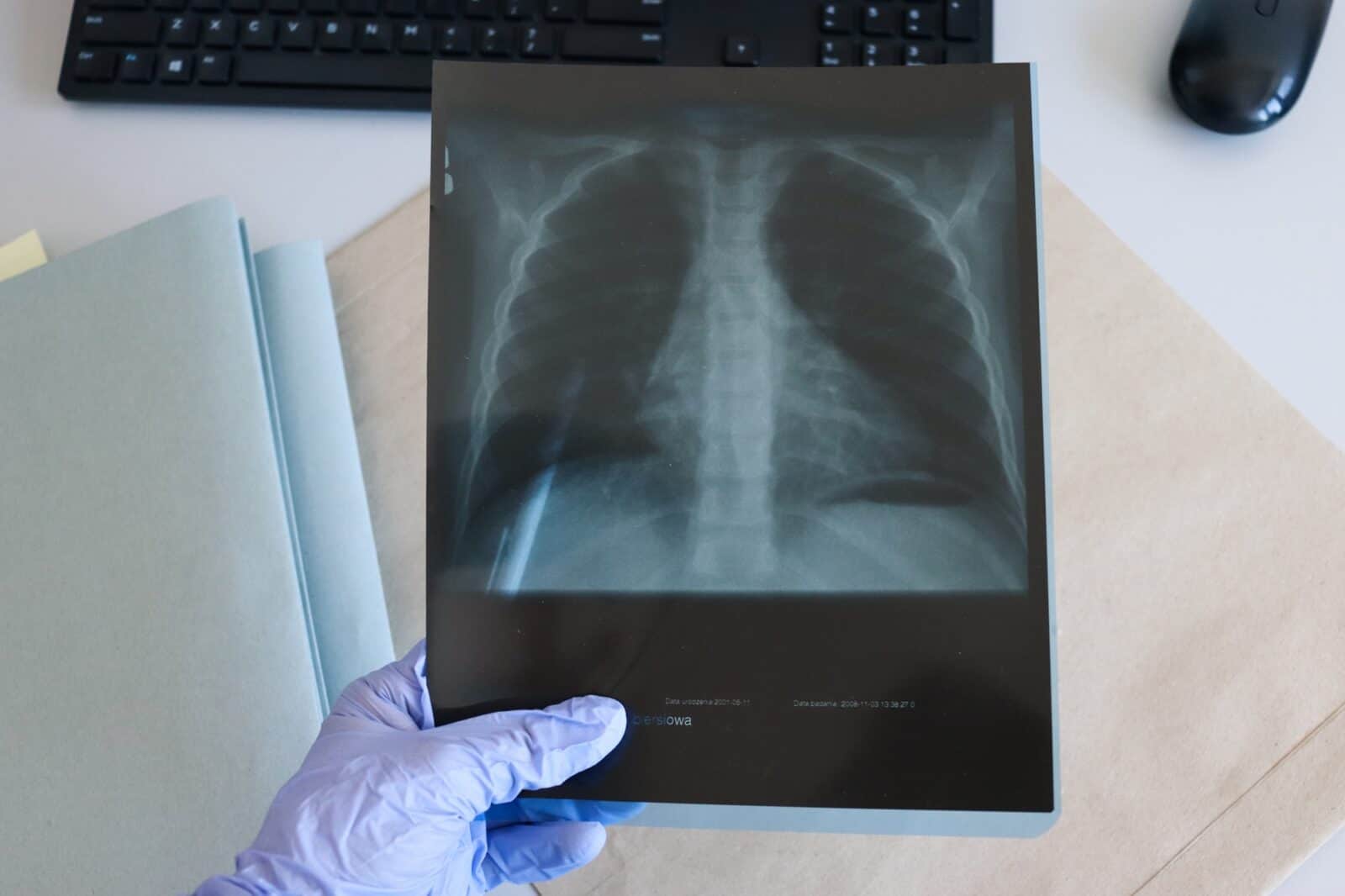
Understanding Seat Belt Syndrome
Seat belt syndrome is the pattern clinicians look for when a belt mark across the chest or abdomen appears together with injury to the organs inside the abdomen or a fracture at the thoracolumbar junction of the spine. This condition develops when the tremendous forces generated during sudden deceleration are concentrated along the path of the seat belt, creating a unique injury profile that affects multiple body systems simultaneously.
The Mechanics of Seat Belt Injuries
During a collision, seat belts work by distributing the force of impact across the stronger parts of the body, particularly the chest and pelvis. However, the sudden deceleration creates enormous pressure that can compress internal organs against the spine and ribcage. The physics of this process means that even properly worn seat belts can cause injury when the forces involved exceed the body's ability to absorb them safely.
During sudden deceleration, seat belts compress abdominal contents against the spine, disproportionately injuring fixed bowel segments like the jejunum and ileum. Lap belts concentrate pressure across the abdomen, while shoulder belts can cause chest wall injuries and compress the heart and lungs against the spine during severe impacts.
This differential loading explains why certain body parts are more vulnerable to seat belt-related trauma. The areas where the belt makes contact with the body become focal points for injury, often creating a pattern of damage that follows the exact path of the restraint system.
Why These Injuries Are Often Overlooked
Seat belt injuries are frequently underdiagnosed or dismissed in the immediate aftermath of an accident due to a combination of medical and systemic factors that prioritize more obvious injuries. The subtle nature of these injuries, combined with the life-saving reputation of seat belts, creates a blind spot in emergency medical care that can have serious consequences for accident victims.
Emergency Room Prioritization
Emergency rooms operate under a triage system that prioritizes patients based on the apparent severity of their injuries, often focusing on immediately life-threatening conditions while potentially overlooking less obvious trauma. When seat belt injuries occur alongside other, more visible injuries, they may not receive immediate attention, creating gaps in diagnosis and treatment that can have long-term consequences.
Adrenaline and shock commonly mask pain and symptoms in the immediate aftermath of an accident, leading to incomplete initial assessments that miss subtle signs of internal injury. Patients may appear stable and report minimal pain, causing medical staff to focus on other patients with more obvious distress. This natural physiological response can delay proper diagnosis for hours or even days.
The Delayed Symptom Problem
Seat belt injuries often don't show their full impact for days, weeks, or even months after an accident, creating a disconnect between the initial medical evaluation and the actual extent of the damage. This delayed onset occurs because many seat belt injuries involve internal soft tissue damage, inflammation, and secondary complications that develop gradually as the body's initial protective responses wear off.
Abdominal pain, nausea and changes in bowel habits can surface days after the crash, after a first emergency department visit found nothing. A normal initial workup does not rule out a bowel or organ injury that has not declared itself yet, which is why follow-up matters more here than with an obvious fracture.
The delayed nature of these symptoms makes it difficult to connect them to the original accident, both medically and legally. Patients may experience increasing pain, breathing difficulties, or other symptoms weeks after being told they were "fine" following their accident.
Chest Injuries from Seat Belts
Chest injuries from seat belts are particularly dangerous because they can appear deceptively minor on external examination while causing significant internal damage. The chest wall's complex anatomy means that even minor fractures or soft tissue injuries can have far-reaching consequences for breathing, cardiovascular function, and overall health.
Rib Fracture Complications
Seat belt pressure can cause rib fractures that may not be immediately painful or visible, particularly in the acute phase following an accident when adrenaline and shock mask pain signals. These fractures can occur anywhere along the chest wall, but are most common where the shoulder belt crosses the torso. The initial absence of severe pain does not indicate the absence of serious injury.
Fractured ribs create the potential for punctured lungs, damage to blood vessels, and injury to other internal organs. These complications can worsen over time as the sharp edges of broken bone move with breathing and other normal activities. What begins as a hairline fracture can develop into a displaced break that punctures the lung or damages major blood vessels.
The delayed nature of these symptoms means that diagnostic imaging like CT scans may be necessary days or weeks after the initial accident to identify the full extent of the damage.
Sternum Fracture Recovery Challenges
A sternum fracture from the shoulder belt is easy to miss on a first examination, because it may not produce severe pain or a visible deformity. The breastbone's central location and the surrounding muscle mass can mask the injury, allowing patients to be discharged from emergency rooms without proper diagnosis.
The long-term implications of sternum fractures extend far beyond the initial injury, affecting breathing patterns, posture, and daily activities for months or even years.
The sternum anchors several muscle groups and is part of the mechanics of breathing. When it is fractured it can cause ongoing pain that worsens with a deep breath, a cough or physical activity. Initial bone healing generally takes several weeks, and full return of function can take considerably longer.
Cardiovascular Complications
Seat belt injuries can affect the heart and major blood vessels in the chest through direct compression or secondary effects from fractured ribs and sternum. A prospective study published in the European Heart Journal found clinically unsuspected pericardial effusion on echocardiography in 25 percent of 32 patients with seat belt related chest injury. The same study found those effusions were not associated with an adverse outcome and concluded that seat belt related sternal trauma is usually relatively benign. It is a reason to be examined, not a reason to assume the worst.
Delayed symptoms like chest pain, irregular heartbeat, and breathing difficulties may appear days or weeks after an accident as inflammation develops around the heart and great vessels. These symptoms can be subtle initially, presenting as exercise intolerance, shortness of breath during mild exertion, or chest discomfort that patients may dismiss as muscle strain.
The cardiovascular system's response to chest trauma can include changes in heart rhythm, blood pressure regulation, and circulation that may not stabilize for weeks following the initial injury. These changes warrant immediate medical attention when they occur, as they can indicate serious underlying damage that requires specialized cardiac evaluation and treatment.
Respiratory System Impact
Seat belt injuries can significantly affect lung function and breathing capacity over time, creating problems that may not be apparent during the initial medical evaluation. Damaged ribs can lead to chronic pain that prevents normal deep breathing, reduced lung capacity due to splinting behaviors, and increased risk of respiratory infections as the lungs fail to clear secretions effectively.
Wearing the belt still leaves an occupant better off than not wearing it, but rib fractures bring problems of their own. The pain associated with rib fractures can persist for months, creating a cycle where shallow breathing leads to reduced lung function and increased susceptibility to pneumonia and other respiratory complications.
Long-term respiratory effects may include decreased exercise tolerance, chronic cough, and persistent chest pain that interferes with sleep and daily activities. Pulmonary function tests and ongoing monitoring become necessary for tracking recovery and identifying complications early. These effects can be particularly problematic for older adults or those with pre-existing respiratory conditions.
Abdominal Injuries and Internal Organ Damage
Abdominal trauma from seat belts occurs when lap belts compress internal organs during deceleration, potentially causing damage to the liver, spleen, kidneys, and intestines. These injuries are particularly insidious because they may not produce immediate symptoms, allowing internal bleeding or organ damage to progress undetected for hours or days after the accident.
The compression forces can cause tears in the bowel wall, particularly in fixed segments like the jejunum and ileum. These injuries may not become apparent until days after the accident when symptoms like abdominal pain, nausea, and changes in bowel habits develop. Internal bleeding from damaged organs can create life-threatening situations that are not immediately obvious.
Blunt abdominal trauma from seat belts can also cause damage to solid organs like the liver and spleen, which may not show symptoms until significant bleeding has occurred. The delayed nature of these complications makes ongoing monitoring and follow-up care essential for anyone who has experienced significant seat belt force during an accident.
Spinal Injuries from Seat Belt Forces
Spinal injuries complete the classic triad of seat belt syndrome, occurring when the restraint system creates a fulcrum effect that can fracture vertebrae or damage the spinal cord. These injuries often develop at the junction between the mobile and fixed portions of the spine, creating instability that may not be apparent until the victim attempts to resume normal activities.
The thoraco-lumbar junction is particularly vulnerable to seat belt-related spinal injuries because this area experiences the greatest stress during the forward flexion that occurs during sudden deceleration. Compression fractures, burst fractures, and ligamentous injuries can all occur in this region, often without immediate neurological symptoms.
Long-term complications of spinal injuries can include chronic pain, reduced mobility, and progressive deformity that may require surgical intervention. These injuries may not be apparent on initial X-rays and often require advanced imaging like MRI or CT scans to be fully identified.
Recognizing Warning Signs
Watch for specific symptoms in the days and weeks after a crash even when the first medical evaluation was reassuring. The subtle and delayed nature of seat belt injuries means that accident victims must become active participants in their own care, watching for developing symptoms that may indicate serious underlying damage that was missed in the initial assessment.
Immediate Red Flags
Severe chest pain, particularly pain that worsens with breathing or movement, requires immediate medical attention as it may indicate rib fractures, sternum fractures, or internal organ damage. Difficulty breathing, including shortness of breath, rapid breathing, or the feeling of being unable to take a deep breath, can signal lung injury or other serious complications that need emergency evaluation.
Rapid heart rate, especially when accompanied by chest pain or dizziness, may indicate cardiovascular complications from the seat belt injury. Common signs of internal bleeding include persistent nausea, vomiting, abdominal pain, or feeling lightheaded when standing. If you’re experiencing these symptoms, you should seek immediate emergency care as they may indicate damage to internal organs that can be life-threatening if left untreated.
A visible seat belt mark across the chest or abdomen is itself a reason to ask about imaging beyond a plain X-ray, because the mark shows where the load went into the body. Any combination of these symptoms, particularly when they develop suddenly or worsen rapidly, warrants immediate emergency room evaluation rather than waiting for scheduled follow-up appointments.
Developing Symptoms to Monitor
Gradually developing symptoms require careful monitoring and documentation, even when they seem minor or unrelated to the original accident. Increasing chest pain that develops over days or weeks, particularly pain that interferes with sleep or daily activities, may indicate developing complications from initially undetected injuries.
Persistent cough, especially when accompanied by shortness of breath or chest discomfort, can signal respiratory complications from rib fractures or lung injury. Fatigue that seems disproportionate to the apparent severity of injuries may indicate ongoing internal healing processes or complications that require medical evaluation.
Changes in breathing patterns should be taken seriously and documented carefully. These symptoms may develop gradually as inflammation and healing progress, making them easy to dismiss as normal recovery when they may actually indicate serious underlying problems that require medical intervention.
The Importance of Thorough Medical Documentation
Comprehensive medical documentation serves dual purposes in seat belt injury cases, providing both the foundation for proper medical care and the evidence necessary for potential legal claims. The delayed and subtle nature of these injuries makes detailed record-keeping essential for tracking symptoms, identifying patterns, and establishing the connection between the accident and developing health problems.
Getting the Right Medical Tests
Specific diagnostic tests may be necessary to identify seat belt injuries that are not apparent on standard emergency room evaluations. CT scans provide detailed images of internal organs and can identify bleeding, organ damage, or other complications that may not be visible on standard X-rays. These advanced imaging studies are particularly important when patients have seat belt marks or other signs of significant impact.
MRIs may be necessary to evaluate soft tissue damage, spinal injuries, or other complications that develop over time. Specialized cardiac tests, including electrocardiograms and echocardiograms, may be needed to assess heart function and identify cardiovascular complications. Pulmonary function tests can evaluate breathing capacity and identify respiratory complications that may not be apparent during routine examinations.
Standard X-rays, while useful for identifying obvious fractures, may not be sufficient to identify the full extent of seat belt injuries. Patients may need to advocate for more comprehensive testing, particularly when symptoms persist or worsen despite normal initial evaluations.
Building a Medical Record
Keeping detailed medical records takes ongoing effort, and it is what both your treatment and any later claim rest on. Follow-up appointments should be scheduled regularly, even when symptoms seem stable, to track recovery progress and identify developing complications. Each appointment should include detailed discussions of symptoms, functional limitations, and how the injuries affect daily activities.
Symptom diaries provide valuable documentation of the day-to-day impact of seat belt injuries, including pain levels, functional limitations, and how symptoms change over time. These records are what show the ongoing impact of an injury, and they support both treatment decisions and a legal claim.
Documentation of how injuries affect daily activities, work performance, and quality of life provides important evidence of the real-world impact of seat belt injuries. This information can be essential for insurance claims, disability determinations, and personal injury cases where the full extent of damages must be established through comprehensive documentation.
Legal Implications of Seat Belt Injuries
The legal complexities surrounding seat belt injuries create unique challenges for accident victims seeking compensation for their injuries. The delayed nature of these injuries, combined with their subtle initial presentation, can affect insurance claims and personal injury cases in ways that victims may not anticipate, making professional legal guidance essential for protecting their rights.
Insurance Company Challenges
Insurance companies often dispute seat belt injury claims, particularly when symptoms are delayed or injuries aren't immediately apparent following an accident. These disputes typically center on the question of causation, with insurers arguing that delayed symptoms cannot be definitively linked to the original accident. This skepticism is often unfounded but can create significant obstacles for accident victims seeking fair compensation.
Common tactics used to minimize these claims include questioning the severity of injuries that don't show obvious external signs, challenging the timing of symptom development, and arguing that pre-existing conditions are responsible for the patient's complaints. Insurance adjusters may also point to the life-saving reputation of seat belts to suggest that any injuries must be minor compared to what could have happened.
Delay is a deadline problem as well as an evidence problem. Under Florida Statute 95.11(5)(a), a negligence claim that accrued on or after March 24, 2023 must be filed within two years of the date of the injury, and the clock runs from the crash rather than from the day a delayed symptom finally appears. Waiting to see whether a symptom resolves on its own can cost the claim outright.
Proving Causation in Court
The legal challenges of proving that delayed symptoms are related to the original accident require comprehensive medical evidence and expert testimony. Courts must be convinced that the connection between the accident and the developing symptoms is more likely than not, which can be difficult when symptoms don't appear immediately or when they seem minor compared to other injuries.
Expert medical testimony usually decides these cases, because a physician can explain the mechanism of a seat belt injury and why the symptoms came late. These experts can review medical records, examine the accident victim, and provide opinions about the relationship between the accident and the developing health problems.
Comprehensive documentation from the time of the accident through the development of symptoms provides the foundation for successful legal claims. This documentation must include emergency room records, follow-up medical visits, diagnostic test results, and detailed records of how symptoms have progressed over time.
Speak To A Lawyer About Your Car Accident Injuries
While seat belt injuries may appear minor initially, their potential for long-term complications makes prompt medical evaluation and comprehensive documentation essential for protecting both your health and your legal rights.
The delayed nature of seat belt syndrome symptoms means that accident victims must remain vigilant for developing problems and seek appropriate medical care even when initial evaluations seem reassuring. If you've been injured in a motor vehicle accident and are experiencing symptoms that may be related to a seat belt injury, our personal injury lawyers can explain your options and handle the claim. Every case turns on its own facts and no result can be promised.
Call Weinstein Legal Team 24/7 at 888-626-1108 for a free case review, or click here to schedule your free case review now.