


Florida's picturesque coastlines and tropical climate come with a significant risk: the ever-present threat of hurricanes and severe storms. These natural disasters can wreak havoc on homes and properties, leaving residents to face the daunting task of rebuilding and recovery.
Supplemental hurricane coverage extends beyond standard homeowners insurance, addressing specific risks associated with hurricanes and severe storms. These policies fill coverage gaps, providing more comprehensive protection against wind damage, flooding, and other hurricane-related perils. In Florida, where the risk of hurricanes is exceptionally high, supplemental coverage is crucial for homeowners to fully protect their property. Keep reading to learn more about supplemental hurricane coverage policies and why you should consider supplemental coverage for your home.
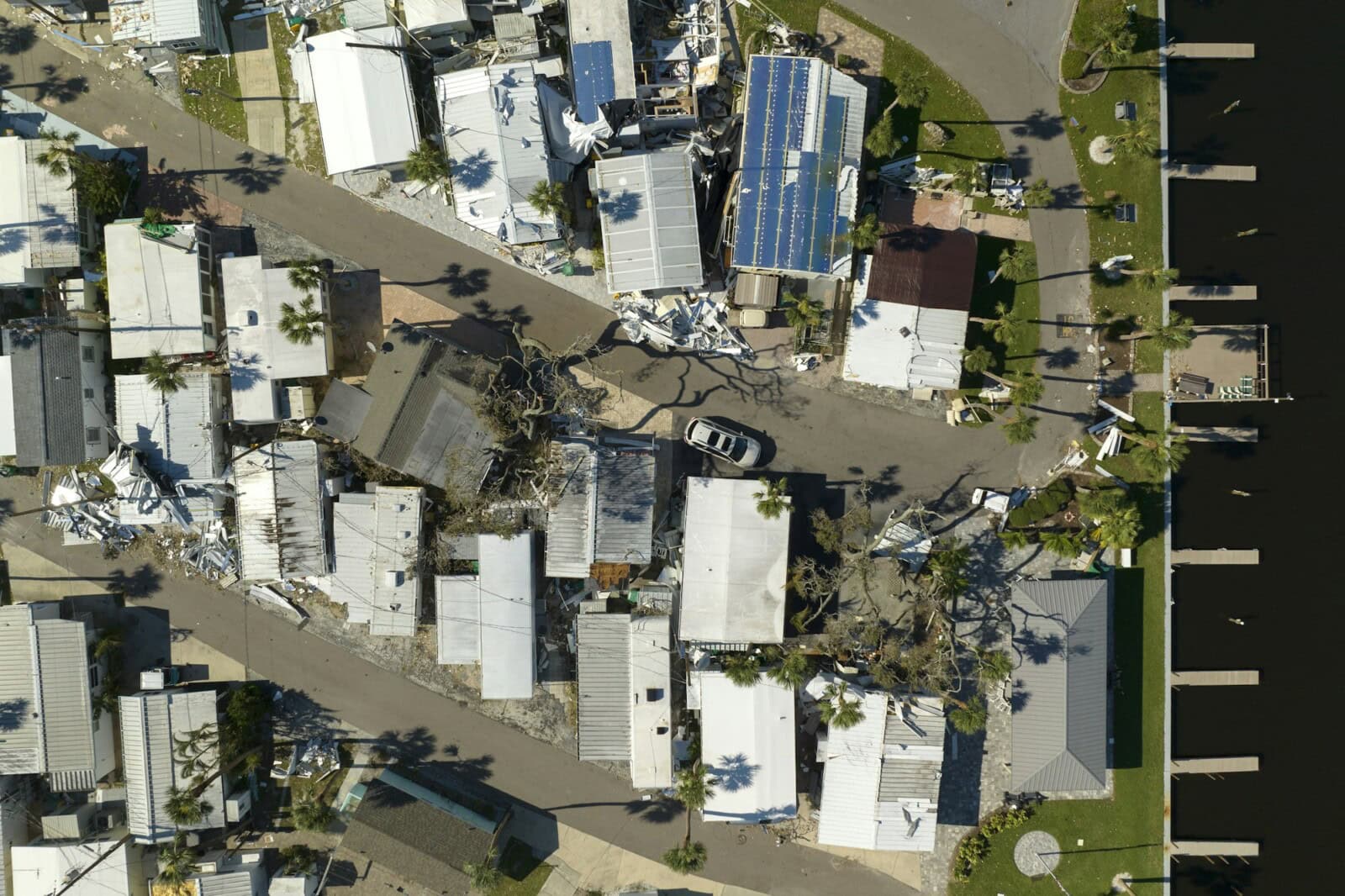
Standard Homeowners Insurance Limitations
Standard homeowners insurance policies in Florida typically cover a range of perils, including fire, theft, and certain types of water damage. However, when it comes to hurricane and storm damage, these policies often have significant limitations and exclusions that can leave property owners vulnerable to substantial financial losses.
One of the primary limitations of standard policies is the way they handle wind damage. While most policies include some level of wind coverage, they often come with separate, higher deductibles for hurricane-related claims. Additionally, standard policies generally exclude flood damage, which is a major concern during hurricanes and tropical storms.
What Are Supplemental Property Insurance Policies?
Unlike standard homeowner’s insurance policies in Florida, supplemental coverage is tailored to the unique challenges posed by powerful storms. It can include protection against wind damage, flooding, and other hurricane-specific issues that may not be fully covered under a standard policy.
Wind Damage Coverage
Wind damage coverage is typically included in standard Florida homeowners insurance policies, but there are oftentimes specific terms and limitations. Many policies in Florida have a separate wind deductible for hurricane-related claims, which is often a percentage of the home's insured value rather than a fixed amount.
This means that in the event of a hurricane, homeowners may be responsible for a much larger out-of-pocket expense before their insurance coverage kicks in. For example, a 2% wind deductible on a home insured for $300,000 would result in a $6,000 deductible, compared to a typical $500 or $1,000 deductible for other types of claims.
Flood Insurance
Flood insurance is perhaps the most critical supplemental policy for Florida residents, given the high risk of flood damage during hurricanes and tropical storms. The National Flood Insurance Program (NFIP), administered by FEMA, offers flood insurance to homeowners in participating communities. Additionally, private flood insurance options are available from some insurers.
NFIP policies typically provide coverage up to $250,000 for the structure of the home and $100,000 for personal property. Private flood insurance policies may offer higher coverage limits and additional features. Flood insurance generally covers damage to the home's structure, built-in appliances, and personal belongings caused by flooding.
It's important to note that flood insurance policies often have a 30-day waiting period before they take effect, making it crucial for homeowners to obtain coverage well before hurricane season begins.
Windstorm Insurance
Windstorm insurance is a supplemental policy that provides more comprehensive coverage for wind-related damage than what is typically included in standard property insurance policies. This type of insurance is particularly beneficial for coastal property owners who face a higher risk of severe wind damage during hurricanes.
A separate windstorm policy can offer higher coverage limits and potentially lower deductibles for wind-related claims compared to standard policies. This can provide greater financial protection and peace of mind for homeowners in high-risk areas.
Additional Living Expenses Coverage
Additional Living Expenses (ALE) coverage is designed to help homeowners manage the costs associated with temporary relocation if their home becomes uninhabitable due to hurricane damage. This type of coverage can be particularly valuable in the aftermath of a severe storm when repairs may take weeks or even months to complete.
ALE coverage typically includes costs such as hotel bills, restaurant meals, and other necessary expenses incurred while displaced from your home. The extent of coverage can vary, so it's important to review your policy carefully to understand what expenses are covered and for how long.
Cost Implications of Supplemental Hurricane Coverage
While supplemental hurricane coverage policies provide essential protection, it's important to consider their cost implications. These policies typically come with additional premiums, which can vary based on factors such as your home's location, value, and specific risk factors.
However, when weighing the cost of supplemental coverage against the potential financial impact of uncovered hurricane damage, many Florida homeowners find that the added expense is well worth the peace of mind and financial protection provided. It's advisable to obtain quotes from multiple insurers and compare coverage options to find the best balance between comprehensive protection and affordability.
Why Floridians Invest In Supplemental Insurance
Florida's unique geographical location and climate create a perfect storm of risk factors for property owners. The combination of coastal exposure, low-lying areas, and frequent hurricane activity makes comprehensive insurance coverage advisable for most Floridians, especially those living near the coasts.
Increased Protection Against Catastrophic Losses
Supplemental hurricane coverage policies provide an additional layer of protection against the potentially catastrophic losses associated with severe storms. By increasing coverage limits and addressing specific risks, these policies can make the difference between financial recovery and long-term hardship following a major hurricane.
For example, consider a scenario where a hurricane causes both wind and flood damage to a home. A standard policy might cover some of the wind damage but with a high deductible. Without flood insurance, the homeowner would be responsible for all flood-related repairs out of pocket. With comprehensive supplemental coverage, both wind and flood damage would be covered, significantly reducing the homeowner's financial burden.
Filling Coverage Gaps
One of the primary benefits of supplemental policies is their ability to address specific gaps in standard homeowners insurance. If left unaddressed, these gaps can represent significant financial risks. For instance, the lack of flood coverage in standard policies is a major vulnerability for many Florida homeowners.
Without flood insurance, homeowners may face tens of thousands of dollars in repair costs following a hurricane-induced flood. Similarly, inadequate wind coverage or high wind deductibles can leave property owners with substantial out-of-pocket expenses. By filling these gaps with supplemental policies, homeowners can create a more comprehensive safety net against hurricane-related losses.
Potential Consequences of Inadequate Coverage
Understanding the risks associated with insufficient hurricane coverage is crucial for Florida property owners. The consequences of being underinsured can be severe and long-lasting, affecting not only your property but also your financial stability and quality of life.
Financial Hardship
One of the most immediate and significant consequences of inadequate hurricane coverage is the potential for severe financial hardship. Without proper insurance, homeowners may be forced to bear the full brunt of repair and rebuilding costs out of pocket.
The average cost of hurricane damage repairs can be staggering. For example, according to the National Flood Insurance Program, just one inch of floodwater can cause up to $25,000 in damage to a home. More severe flooding or combined wind and flood damage can easily result in repair costs exceeding $100,000. For most homeowners, these expenses would be financially devastating without adequate insurance coverage.
Delayed or Incomplete Repairs
When insurance coverage falls short, homeowners may be forced to delay necessary repairs or settle for incomplete restoration of their property. This can lead to a cascade of additional problems, including further property damage, decreased property value, and potential health and safety issues.
For instance, if a homeowner can only afford to repair part of their roof after hurricane damage, the remaining damage could lead to water intrusion, mold growth, and structural issues over time. These compounding problems not only decrease the home's value but can also create unsafe living conditions and require even more costly repairs in the future.
Are You Dealing With Property Damage After A Storm?
Standard homeowners insurance policies often fall short when it comes to comprehensive hurricane protection, leaving significant gaps that can expose homeowners to substantial risks. However, many Florida homeowners don’t realize this until it’s already too late.
If you’ve recently suffered property damage and are thinking of filing an insurance claim, you should give us a call before you contact the insurance company. Weinstein Legal Team has extensive experience handling property damage claims and property insurance negotiations on behalf of Florida homeowners.
Our team can handle everything from reviewing your current coverage and documenting your damages to filing your claim and negotiating with the insurance company. Call us now at 888-626-1108 or click here to schedule your free case review.