
A "physical control" DUI occurs when a person is physically in or on a vehicle and has the capability to operate it, even if the vehicle is not actually being driven at the time. This means you don't necessarily have to be driving to face DUI charges; merely being in a stationary car with the intent or ability to operate it can be enough.
In Florida the phrase is "actual physical control," and it sits in the same sentence of Florida Statute 316.193(1) as "driving." That matters, because a physical control DUI is not a lesser charge. It is the same offense, with the same penalties, proved a different way.
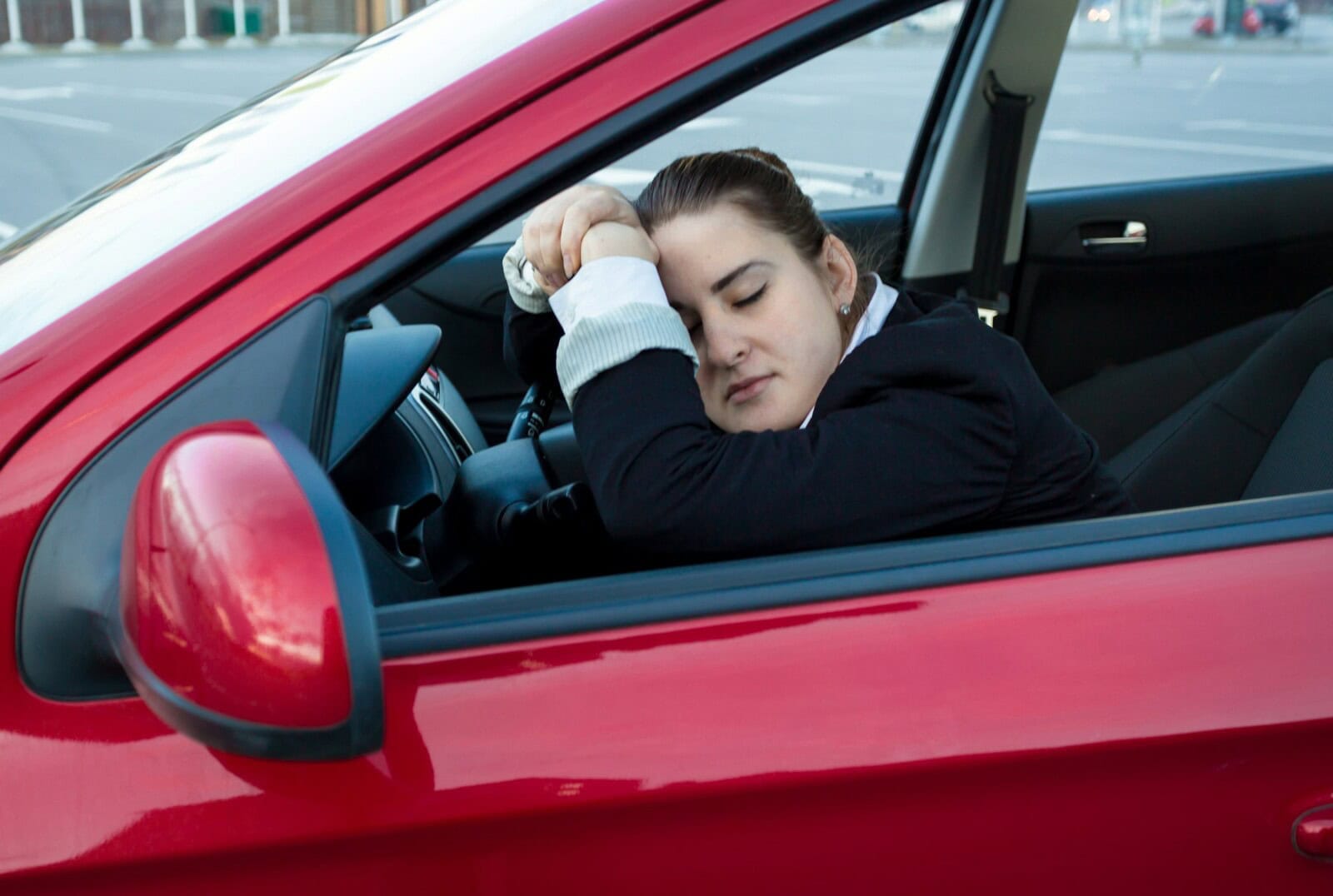
Defining Physical Control DUI
Physical control DUI laws involve situations where a person is impaired yet not actively driving. This law aims to prevent potential harm by addressing the risk posed by impaired individuals who might decide to drive later.
Legal Definitions and Distinctions
DUI laws across most states, Florida included, turn on the term "physical control". It means having the capability to operate a vehicle while being under the influence, even if you are not driving.
For example, if you are found sitting in the driver’s seat with the keys in the ignition, you might face charges under physical control DUI laws. Each state defines physical control slightly differently. In Florida, section 316.193(1) of the Florida Statutes clearly states that a person can be charged with DUI if they are in actual physical control of a vehicle, regardless of whether they are actively driving it at the time of arrest.
Understanding "Actual Physical Control"
"Actual physical control" is a legal term that implies you can operate the vehicle, even if it is stationary. This control can apply while you are in the driver's seat, the vehicle is parked, and the keys are accessible.
The State does not have to prove you intended to drive. Under the Florida standard jury instruction for DUI, actual physical control means the defendant was physically in or on the vehicle and had the capability to operate it, whether or not the defendant was actually operating it at the time. Whether a given parked-car situation meets that test is a question of fact, and Florida courts have come out both ways on facts that look similar, so no single detail settles it.
Determining Driver's Control Over the Vehicle
The key element of a Physical Control charge is whether the individual was in actual control of the vehicle. Factors considered include geographic location, such as being in a driver's seat or near the steering wheel, and location of the car’s keys.
Relation to Keys and Vehicle Operation
The proximity of keys to the driver is one of the more important aspects of physical control determination. If you had the keys on your person or within easy reach, authorities might assume you were in control of the vehicle.
However, if the keys were locked in the trunk, an officer or a court may find you had no capability to operate the vehicle at that time. Where the keys were goes to capability, not to intent. Intent to drive is not an element of the offense under Florida Statute 316.193(1), and the absence of it is not on its own a defense.
Consequences of Physical Control DUI
A "physical control" DUI charge can lead to severe legal penalties, license suspension, ignition interlock device mandates, and significant effects on both your insurance and employment prospects.
License Suspension and Ignition Interlock Requirements
A conviction carries the same license consequence as any other Florida DUI, and it is longer than 90 days. Under Florida Statute 322.28(2)(a)1, a first DUI conviction revokes the driver license for at least 180 days and not more than one year. An ignition interlock device, which tests your breath before the car will start, may follow: under Florida Statute 316.193(2)(c) the court may order one for at least six continuous months after a first conviction where the alcohol level was 0.08 or higher, and under Florida Statute 316.193(4)(c) six months is mandatory where the level was 0.15 or higher or a passenger under 18 was in the vehicle. A second conviction carries a mandatory year.
Insurance Impacts and Employment Ramifications
A physical control DUI will likely lead to a significant increase in your insurance premiums. Insurers view DUI offenders as high-risk clients, which translates into higher costs. Additionally, certain employers might conduct background checks where a DUI conviction could show up, leading to potential job loss or difficulty securing new employment. These issues underscore the long-term impact of such a conviction on your personal and professional life.
Were You Charged With A Physical Control DUI In Florida?
If you have been charged with a physical control DUI in Florida, you need to speak with a DUI lawyer at Weinstein Legal Team about your charges right away. Our defense lawyers are available any time of day to discuss your charges, and your case review is always free.
Click here to schedule a free consultation with an experienced criminal lawyer, or give us a call at 888.626.1108 to speak with a lawyer now.