
Losing someone to another person's negligence leaves a family dealing with grief and money problems at the same time. Florida answers it with one action, not two: under Florida Statute 768.20, when a personal injury to the decedent results in death, no action for that personal injury survives, and any such action already pending abates. The wrongful death action replaces it.
Keep reading to learn more about the legal differences between wrongful death claims and survival actions and your options to seek justice and compensation.
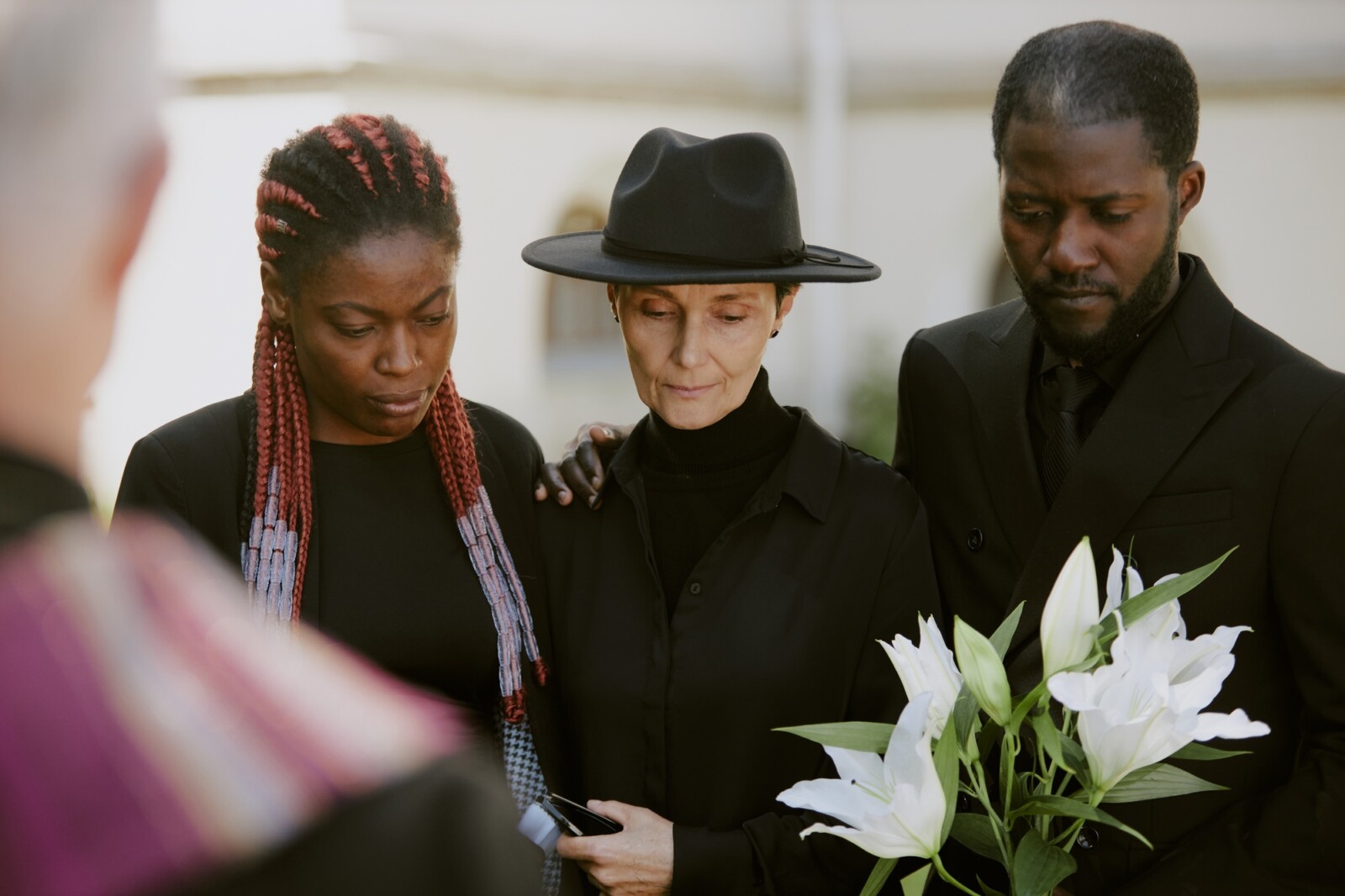
What is a Wrongful Death Claim?
A wrongful death claim is a legal action brought by the surviving family members or the estate of a person who has died due to the negligence or intentional actions of another party. These claims are designed to compensate the deceased's family for their losses resulting from the untimely death. In Florida, wrongful death claims are governed by the Florida Wrongful Death Act, which outlines the specific requirements and limitations for such cases.
Wrongful death claims can arise from various situations, including car accidents, medical malpractice, workplace accidents, or even criminal acts. To succeed in a wrongful death claim, the plaintiff must prove that the defendant's negligence or intentional wrongdoing directly caused the death of their loved one.
Types of Damages in Wrongful Death Claims
In wrongful death claims, damages are intended to compensate the family for their losses and help them cope with the financial and emotional impact of their loved one's death. These damages are typically divided into two categories: economic and non-economic.
Economic Damages
Economic damages in wrongful death claims are quantifiable financial losses that the family has suffered due to the death of their loved one. These damages often include:
- Lost wages and benefits that the deceased would have earned had they lived
- Loss of future earnings potential
- Medical expenses incurred before death
- Funeral and burial costs
- Other out-of-pocket expenses related to the death
These damages are typically calculated based on the deceased's age, earning capacity, life expectancy, and other relevant factors.
Non-Economic Damages
Non-economic damages in wrongful death claims are more subjective and aim to compensate the family for intangible losses. These may include:
- Loss of companionship, guidance, and emotional support
- Pain and suffering experienced by the family
- Loss of consortium for a surviving spouse
- Overall impact on the family's quality of life
Florida does not cap these damages. The medical malpractice caps in Florida Statute 766.118 remain printed in the statute books but cannot be enforced: the Florida Supreme Court struck the wrongful death caps in Estate of McCall v. United States, 134 So. 3d 894 (Fla. 2014), and the personal injury caps in North Broward Hospital District v. Kalitan, 219 So. 3d 49 (Fla. 2017).
Who Can File a Wrongful Death Claim?
In Florida, wrongful death claims must be filed by the personal representative of the deceased's estate. This representative is typically named in the will or appointed by the court if no will exists.
The personal representative files the claim on behalf of the deceased's estate and any surviving family members entitled to recover damages. Under Florida law, these beneficiaries may include:
- The deceased's spouse
- Children
- Parents
- Any blood relatives and adoptive brothers and sisters, but only where they were partly or wholly dependent on the decedent for support or services, under Florida Statute 768.18(1)
The deadline is 2 years. Florida Statute 95.11(5)(e) requires a Florida wrongful death action to be brought within 2 years of the date of death, and the claim is barred after that no matter how strong the facts are.
What is a Survival Action?
A survival action lets a claim the deceased person already owned continue after they die, in the name of the estate. Florida Statute 46.021 is the general rule: no cause of action dies with the person. Florida then carves the biggest category straight back out, which is where most explanations of this go wrong.
In Florida a survival action cannot be brought alongside a wrongful death claim for the same death. Florida Statute 768.20 says that when a personal injury to the decedent results in death, no action for the personal injury survives, and any such action pending at the time of death abates. The wrongful death action is the remedy, and the decedent's own pain and suffering is not one of the categories it pays. A survival action still exists in Florida where the death was not caused by the injury being sued over, for example where someone injured in a crash later dies of an unrelated illness, and for claims that are not personal injury claims at all, such as property damage or contract.
Types of Damages in Survival Actions
Because Florida abates the personal injury claim under Florida Statute 768.20, the losses the decedent suffered between the injury and death are recovered inside the wrongful death action, by the personal representative, for the estate. Florida Statute 768.21(6) is the list.
Economic Damages
Under Florida Statute 768.21(6), the personal representative may recover for the estate:
- Loss of the decedent's earnings from the date of injury to the date of death, with interest, less the lost support of survivors, under Florida Statute 768.21(6)(a)
- Loss of the prospective net accumulations of the estate, where the survivors include a surviving spouse or lineal descendants, or where the decedent was not a minor child, there is no recoverable lost support and services, and a parent survives, under Florida Statute 768.21(6)(a)
- Medical or funeral expenses that became a charge against the estate or were paid by or for the decedent, under Florida Statute 768.21(6)(b). A survivor who paid those expenses personally claims them under Florida Statute 768.21(5) instead
Earnings lost between injury and death and the expenses charged to the estate come off records, so they are easier to prove than the survivors' losses. Prospective net accumulations are the exception and usually take an economist.
What About the Decedent's Own Pain and Suffering?
Florida does not pay it. The damages the estate may recover are the ones listed in Florida Statute 768.21(6), and the decedent's physical pain, emotional distress and loss of enjoyment of life between injury and death are not among them. This surprises families more than any other feature of the Florida Wrongful Death Act, and it is a real difference from states that keep a parallel survival action. What the Act does compensate is the survivors' own mental pain and suffering from the date of injury, under Florida Statute 768.21(2), (3) and (4).
Punitive damages are available in a Florida wrongful death action. Under Florida Statute 768.72(2), they require clear and convincing evidence that the defendant was personally guilty of intentional misconduct or gross negligence, and Florida Statute 768.72(1) requires a reasonable evidentiary showing before the claim can even be pleaded. Florida Statute 768.73(1)(a) caps them at the greater of three times compensatory damages or $500,000, rising to four times or $2 million under (1)(b), with no cap under (1)(c) where the defendant specifically intended to harm the claimant.
Key Differences Between Wrongful Death and Survival Actions
The distinction decides what a Florida family can actually recover, and getting it backwards costs real money. Both claims arise from a death, but Florida Statute 768.20 keeps them from running side by side.
Purpose of the Claim
The primary purpose of a wrongful death claim is to compensate the surviving family members for their losses resulting from their loved one's death. This includes both financial losses, such as lost income and support, and emotional losses, such as loss of companionship and guidance.
A survival action carries forward a claim the deceased already had. In Florida that only happens where the death did not come from the injury being sued over, because Florida Statute 768.20 abates a personal injury claim when the injury results in death. Where the injury did cause the death, the losses between injury and death are recovered as estate damages inside the wrongful death action under Florida Statute 768.21(6).
Beneficiaries of the Claim
In wrongful death claims, the beneficiaries are typically the surviving family members of the deceased. This may include spouses, children, parents, and other dependents who have suffered a loss due to the death. The damages awarded in these claims are intended to directly benefit these family members.
The estate is a beneficiary too. The Florida Statute 768.21(6) damages are recovered for the estate, distributed under the will or Florida's intestacy rules, and Florida Statute 768.21(7) makes every award to the estate subject to the claims of creditors who complied with the probate claim rules. Damages awarded to a survivor go to that survivor and are not part of the estate.
Statute of Limitations
A Florida wrongful death action must be filed within 2 years of the date of death under Florida Statute 95.11(5)(e). A true survival action, meaning one for a claim the decedent held that did not cause the death, keeps the deadline of that underlying claim and runs from when that claim accrued, not from the date of death. For an ordinary negligence claim that is 2 years under Florida Statute 95.11(5)(a) for a cause of action accruing on or after March 24, 2023.
This matters for the wrongful death claim as well. Florida Statute 768.19 creates the right of action only where the event would have entitled the injured person to maintain an action and recover damages had death not followed, so a personal injury claim that was already time-barred when the person died leaves nothing for the family to bring.
When to File a Wrongful Death Claim vs. a Survival Action
In Florida this is usually not a choice. If the injury caused the death, Florida Statute 768.20 abates the personal injury claim and the wrongful death action is the only route. The real question is which damages belong to which survivor and which belong to the estate, because Florida Statute 768.21 requires every potential beneficiary, including the estate, to be identified in the complaint with their relationship to the decedent alleged.
The wrongful death action covers both the immediate death and the death that follows weeks of treatment. Where the decedent supported or cared for the family, Florida Statute 768.21(1) lets each survivor recover the value of lost support and services from the date of injury forward, reduced to present value.
Take the case where a person injured in a car accident spends several weeks in the hospital and then dies of those injuries. That is still a wrongful death case. The hospital bills charged to the estate and the earnings lost over those weeks come in under Florida Statute 768.21(6); the pain endured during them does not come in at all.
There is nothing to consolidate. Florida Statute 768.20 puts the survivors' claims and the estate's claims into a single action brought by the personal representative, which is why the statute requires all of them to be pleaded together.
Speak To An Attorney About Your Wrongful Death Claim
Two things need to happen early in a Florida wrongful death case: a personal representative has to be appointed so there is someone with standing to sue, and the claim has to be filed within the 2 years Florida Statute 95.11(5)(e) allows from the date of death. An attorney who handles these cases can get both moving while the family deals with everything else.
Don't navigate this difficult process alone. Call Weinstein Legal Team now at 888.626.1108 to start a free case review with an attorney, or click here to schedule your case review online.