


- Florida law generally restricts the open or concealed carry of batons, as they are often classified as prohibited weapons under statutes governing concealed weapons.
- While some individuals may believe batons are legal for self-defense, possessing one in public without a specific legal exception can lead to criminal charges for carrying a concealed weapon.
- Florida statutes provide limited exceptions for certain law enforcement personnel and security professionals, but these protections do not typically extend to private citizens carrying batons for personal protection.
- Understanding Florida's specific weapon laws is essential, as the legal consequences for illegal possession of a baton can result in serious misdemeanor or felony charges.
With the rising concern for personal safety around the country, many Floridians have begun taking a more active role in their self-defense. While not everyone is comfortable carrying a concealed gun or knife, there is an ever-growing number of less-than-lethal options that people can carry for an added layer of security.
The laws surrounding some of the more common options, such as pepper spray, rape whistles, or stun guns, are pretty cut-and-dry. However, the legal landscape surrounding some of the more potentially lethal tools, such as batons, may not be as straightforward as one might think. Keep reading to learn more about whether batons are legal in Florida, including ownership restrictions, carry laws, and potential consequences of misuse.
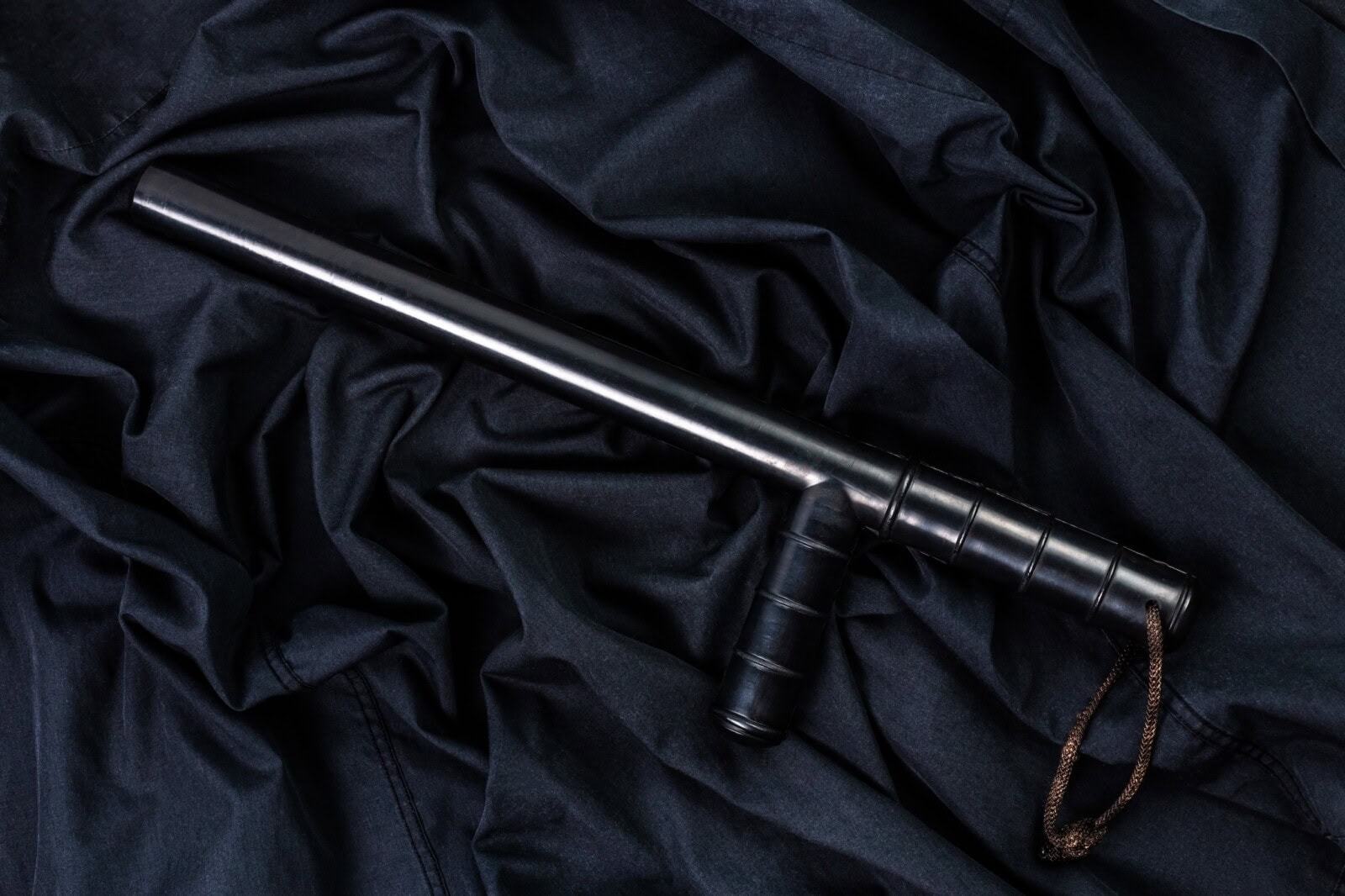
Are Batons Legal In Florida?
Many Floridians interested in self-defense have asked, "Are batons legal in Florida?" Understanding the different types of batons is crucial when navigating Florida's weapon regulations. Each type may be subject to specific rules and restrictions that can significantly affect its legality for civilian use.
Fixed Batons
Fixed batons are solid, non-collapsible striking instruments typically made of wood, plastic, or metal. They are designed for use in self-defense situations and are often carried by law enforcement officers.
In Florida, the legal status of fixed batons for civilian use is somewhat ambiguous. While not explicitly prohibited, they may fall under the category of "weapons" in certain circumstances. For instance, openly carrying a fixed baton in public might be considered brandishing a weapon, while keeping one at home for personal protection could be viewed as lawful possession of a self-defense tool.
Are Collapsible Batons or Expandable Batons Legal In Florida?
Expandable or collapsible batons, often sold under brand names like ASP, are telescoping instruments that can be extended for use and retracted for easier carrying. These batons are popular among law enforcement and security personnel due to their versatility and portability.
Law enforcement officers prefer expandable batons because they're easy to carry when collapsed yet quickly deployable in emergencies. They also offer a longer reach than fixed batons, providing a tactical advantage in close-quarters situations.
For civilians in Florida, the legal status of expandable batons is similar to that of fixed batons. They are not explicitly illegal to own, but their use and carry may be subject to certain restrictions and interpretations of weapon laws.
Police Batons
Police batons, also known as nightsticks or billy clubs, are typically longer than civilian batons and are standard-issue equipment for many law enforcement agencies. These batons are designed for striking, blocking, and controlling suspects.
In Florida, police batons are generally considered law enforcement equipment. While not explicitly illegal for civilian ownership, their use and carry by non-law enforcement personnel may be more strictly regulated than other types of batons.
Civilians might legally own a police baton for collecting purposes or as part of a martial arts training program, but carrying one in public could lead to legal complications.
Legal Status of Batons in Florida
Florida law does not specifically mention batons in its weapons statutes. This omission is likely due to batons' dual-use nature—depending on the context, they can be considered both tools and weapons. As a result, their legal status often falls into a gray area, subject to interpretation by law enforcement and the courts.
Ownership Restrictions
The legality of baton ownership may depend on factors such as the owner's intent and how the baton is used or stored. There are no specific licensing or permitting processes for owning batons in Florida.
However, individuals with certain criminal records may be prohibited from possessing weapons, which could include batons, depending on how they are classified. For example, those convicted of felonies or domestic violence offenses are generally barred from possessing weapons, which could potentially extend to batons.
Is It Legal to Carry a Baton in Florida?
The legal status of carrying a baton is nuanced because the state does not have a specific statute explicitly addressing batons in the same way it regulates firearms. While it is not inherently illegal for a private citizen to own a baton for purposes such as home defense or as a collectible, carrying one in public, whether openly or concealed, carries significant legal risk.
Because they can be interpreted as dangerous weapons, carrying a concealed baton without a lawful purpose can lead to criminal charges under broader state weapons laws, and their use in self-defense must strictly adhere to the legal requirement that the force used be reasonable and proportionate to the threat faced.
If you are found to be carrying a baton illegally, you could face serious penalties. The unauthorized concealed carry of a weapon in Florida can be prosecuted as a first-degree misdemeanor, punishable by up to 1 year in jail and a $1,000 fine for a first offense. Subsequent offenses or aggravating circumstances can elevate the charges to a felony, resulting in much harsher prison sentences and higher fines.
In addition, certain individuals, such as those with past felony convictions, may be prohibited from possessing any type of weapon, which can include batons. Given these potential consequences and the lack of specific, clear guidance in Florida law, it is highly advisable to consult with a qualified attorney or local law enforcement before deciding to carry such a device.
Use in Self-Defense
The use of batons for self-defense in Florida falls under the state's self-defense laws, including the Stand Your Ground and Castle Doctrine statutes. These laws generally allow individuals to use force, including deadly force, to protect themselves or others from imminent threat of death or great bodily harm.
However, the use of a baton in self-defense must meet the standard of reasonable force. This means that the level of force used must be proportionate to the threat faced. For example, using a baton to defend against an unarmed assailant who merely shoved you might be considered excessive force. Conversely, using a baton against an armed attacker who is threatening your life would likely be deemed reasonable.
Florida's Stand Your Ground law (Florida Statute 776.013) eliminates the duty to retreat before using force in self-defense, provided the person is in a place they have a right to be and is not engaged in criminal activity. However, this does not provide blanket protection for all uses of force, including baton use.
Legal Consequences of Misuse
Understanding the potential legal consequences of misusing batons is crucial for anyone considering owning or carrying these items in Florida. Improper use or possession of batons can lead to serious legal issues, including both criminal charges and civil liability.
Criminal Charges
Illegal possession, carry, or use of batons in Florida could result in various criminal charges. While there are no specific statutes addressing batons, they could be prosecuted under broader weapons laws.
Carrying a concealed baton without a proper license could result in charges under Florida Statute 790.01, which is a first-degree misdemeanor for a first offense and a third-degree felony for subsequent offenses. Penalties can range from up to one year in jail and a $1,000 fine for a misdemeanor to up to five years in prison and a $5,000 fine for a felony.
Using a baton in a threatening manner or during the commission of a crime could lead to more severe charges, such as aggravated assault or battery. These felony charges can result in significant prison time and hefty fines.
Civil Liability
Even in cases where criminal charges are not filed or are dismissed, individuals who use batons, even in perceived self-defense, may face civil lawsuits. If the use of the baton is deemed excessive or unnecessary, the user could be held liable for any injuries or damages caused.
While Florida's self-defense laws may provide some protection against civil liability in legitimate self-defense cases, they do not guarantee immunity from lawsuits. Each case would be evaluated based on its specific circumstances.
Frequently Asked Questions About Baton Laws in Florida
Is it illegal to have a police baton in Florida?
It is not illegal for a civilian to own a police baton in Florida for purposes such as collection or home defense. However, carrying one in public, especially if concealed, is heavily regulated and can lead to criminal charges if done without authorization or outside lawful self-defense contexts. Because these items are categorized as weapons under Florida law, individuals should be aware that unlawful possession or use can result in serious legal consequences.
Are nightsticks legal in Florida?
Nightsticks are considered legal to own in Florida, but they are classified as weapons under state law. You can possess them at home, but carrying them in public requires strict adherence to concealed-carry laws. If carried, they must be done so in accordance with the statutes governing concealed weapons.
Are asps legal in Florida?
ASP batons, which are a type of collapsible or expandable baton, are legal to own and possess in Florida. While they are common tools for self-defense, carrying them concealed in public requires meeting the same legal criteria as other concealed weapons. You should treat them as weapons and understand that using them unlawfully or carrying them in prohibited areas can lead to criminal penalties.
Are tactical batons legal in Florida?
Tactical batons are legal for civilians to own in Florida for lawful purposes like self-defense or collecting. Similar to other types of batons, they are classified as weapons under state statutes. Carrying one concealed in public is subject to the same legal regulations as other weapons, and unlawful carry or use can result in misdemeanor or felony charges.
What is the Florida statute for baton billy clubs as concealed weapons?
Under Florida Statute 790.001, a "billie" (or billy club) is defined as a weapon and is included in the legal definition of a "concealed weapon" when it is carried on or about a person in a way that hides it from ordinary sight. Florida Statute 790.01 makes it a crime to carry a concealed weapon, such as a billy club, without a valid concealed weapons license or without meeting the specific eligibility criteria required for lawful concealed carry. Violations of this statute can result in charges ranging from misdemeanors to felonies, depending on the circumstances.
Are blackjacks legal in Florida?
Blackjacks, often categorized alongside other weighted or flexible impact weapons such as "slungshots," are generally legal to own in Florida. However, they are classified as weapons, and carrying them concealed in public is subject to the same regulations as other concealed weapons. It is important to remember that using such a weapon unlawfully or carrying it in violation of state law can lead to criminal prosecution.
Are telescoping batons legal in Florida?
Telescoping or collapsible batons are legal to own and possess in Florida. As with other types of batons, they are considered weapons under state law, meaning their concealed carry in public is governed by specific legal requirements. Individuals must comply with Florida's concealed carry laws if they choose to transport these items outside their home.
Are You Facing Weapons Charges In Florida?
Navigating the complexities of Florida's self-defense and weapon laws can be challenging. While batons are not explicitly illegal in Florida, their legal status is subject to interpretation and can vary depending on the specific circumstances of possession, carrying, and use.
If you’ve been charged with a crime in Florida for carrying a baton, you need to speak with a defense attorney right away. Even if you were legally carrying the baton, once you’ve been charged with a crime, you need to treat the situation seriously.
Click here to schedule a free consultation with an experienced criminal defense lawyer, or give us a call at 888.626.1108 to speak with a lawyer now.