


- Florida's no-fault system requires every driver to carry at least $10,000 in Personal Injury Protection (PIP), but medical treatment must be sought within 14 days of the crash to avoid forfeiting benefits.
- While Florida mandates $10,000 in Property Damage Liability (PDL), Bodily Injury Liability (BIL) is not required for most drivers, creating significant financial risks for those involved in serious car accidents.
- Personal Injury Protection (PIP) insurance typically pays only 80% of medical expenses and 60% of lost wages, which often results in significant out-of-pocket costs and coverage gaps for accident victims.
- Carrying stacked Uninsured Motorist (UM) coverage is essential in Florida to provide financial protection against the high population of negligent drivers who operate vehicles without adequate liability insurance.
- To pursue a lawsuit for non-economic damages like pain and suffering, victims must meet the serious injury threshold by proving permanent harm or significant disfigurement through medical expert testimony.
Florida roads are busy and often unpredictable for year-round residents and seasonal visitors alike. You need to understand what is covered by Florida auto insurance before a crash occurs. Understanding your policy details protects you from the confusing terminology used by big insurance companies.
Understanding the specific limits and exclusions of a policy is the only way to avoid devastating financial losses following a crash. It's important to review your policy documents to ensure you have the necessary safeguards in place for your family.
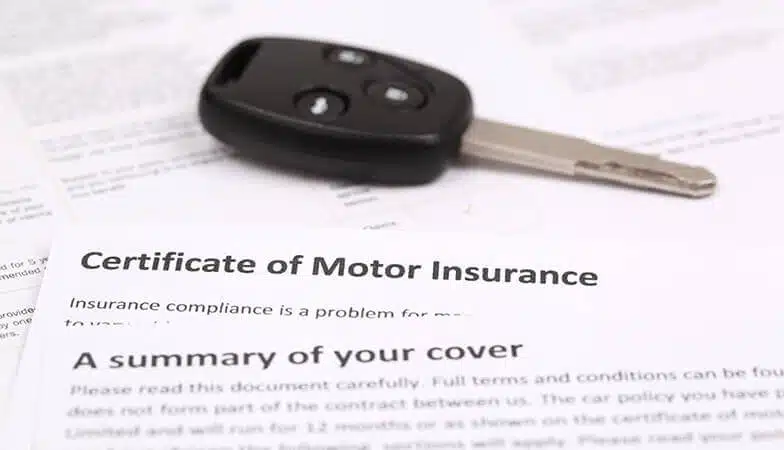
The Foundation of Florida Auto Insurance: The "No-Fault" System
Florida's current insurance laws operate on a philosophy that prioritizes immediate medical attention over determining blame. Florida's "no-fault" framework does not mean that no one is held responsible for a collision. Each driver must turn to their own insurance company as the primary source of initial medical compensation.
Legislators originally designed the no-fault system to reduce the overall burden on the court system by keeping minor injury claims out of litigation. However, the current insurance structure often creates significant coverage gaps for those who suffer serious harm. Drivers frequently discover that their basic policies don't cover the full extent of their losses after an accident occurs.
You should consider a professional insurance audit to identify these potential gaps before you need to file a claim. While the system simplifies minor claims, it can complicate the process for those with more severe injuries. Our legal team can help you navigate these complexities if you are struggling with a claim.
Personal Injury Protection (PIP) Mandatory Minimums
Every registered vehicle owner in Florida must carry at least $10,000 in Personal Injury Protection (PIP) insurance. The $10,000 mandate serves as the absolute floor for coverage and is mandatory for any vehicle with four or more wheels. It's designed to provide quick access to medical funds regardless of who caused the traffic accident.
One unique feature of PIP is that it follows the driver and their household members in various situations. It can provide protection even if the policyholder is a passenger in another person's car or is injured as a pedestrian. PIP portability ensures that basic medical coverage is available to families throughout the state during emergencies.
The Strict 14-Day Rule for Seeking Medical Care
One of the most important aspects of PIP insurance is the strict timeline required for seeking medical treatment. If an accident victim doesn't seek medical care from a qualifying provider within 14 days of the crash, their benefits may be completely forfeited. The 14-day rule applies regardless of when physical symptoms actually appear.
Qualifying providers typically include hospitals, emergency rooms, or licensed physicians who can assess the severity of your condition. You can also visit urgent care centers or licensed chiropractors to satisfy this requirement. If you wait until the fifteenth day to seek care, your insurer may legally refuse payment.
Failing to see a doctor can result in the insurance company denying your claim for medical expenses and lost wages entirely. Many injuries involve a delayed onset of pain, but the law doesn't provide flexibility for late reporting. It's best to prioritize a professional medical assessment immediately after any car accident.
What PIP Covers: The 80/20 and 60% Rules
The financial mechanics of PIP insurance are often misunderstood by policyholders who expect full reimbursement. Personal Injury Protection pays 80% of medical expenses resulting from a covered accident. Under the 80/20 rule, the policyholder is still responsible for the remaining 20% of their medical bills out of their own pocket.
Furthermore, PIP insurance only covers 60% of lost wages if you're unable to work due to your injuries. The 60% wage reimbursement is designed to provide some relief but rarely replaces a person's entire income. The total combined payout for both medical bills and lost wages is capped at the $10,000 policy limit.
The PIP mandate also includes a $5,000 death benefit that is paid to the estate or survivors of a deceased driver. While these funds provide some assistance, they're often insufficient to cover the total financial impact of a serious accident. Understanding these percentages helps drivers better prepare for the potential financial realities of a claim.
Property Damage Liability (PDL) Explained
The second mandatory requirement for Florida drivers is carrying $10,000 in Property Damage Liability, or PDL. Property Damage Liability covers repairs for the other party if you cause an accident. Covered property might include another person's vehicle, a residential fence, or even a commercial building.
It's important to realize that PDL does not pay for repairs to your own vehicle. If you only carry the state minimums, you'll have no coverage to fix your car if you cause an accident. You must purchase additional types of coverage if you want your own vehicle to be protected from damage.
FLHSMV Compliance and Financial Responsibility
The Florida Department of Highway Safety and Motor Vehicles (FLHSMV) tracks your insurance status electronically. If your PDL coverage lapses, the FLHSMV can suspend your driver's license, tags, and registration for up to three years or until you provide proof of new insurance.
How to Read Your Insurance Declarations Page
Your insurance declarations page is the most important document in your policy folder. The declarations page provides a concise summary of the coverage you have purchased and the associated premium costs for each coverage type. You should review this page at least once every six months to ensure it reflects your current needs.
The page lists the specific dollar limits for each category, such as PIP, PDL, and Bodily Injury Liability. It also identifies all drivers covered under the policy and any named driver exclusions. If you see terms you don't understand, you should ask your agent for a detailed explanation immediately.
Checking the effective dates is another necessary step to avoid a lapse in coverage. A lapse can lead to fines from the state and the suspension of your driver's license. Keep a digital copy of this document on your phone for easy access during a traffic stop or at the scene of an accident.
The Hidden Risk: Bodily Injury Liability (BIL) is Not Mandatory for All
There's a common misconception that every driver in Florida is covered for the physical injuries they cause to others. However, this is not the case, as Bodily Injury Liability is not a general requirement for most private passenger vehicles in the state. Florida's lack of a BIL requirement creates a massive risk for victims of negligent drivers who may have no insurance available to pay for their suffering.
Many motorists choose the cheapest possible policy to meet registration requirements. Opting for the cheapest possible policy allows them to drive legally while having no coverage for injuries they might cause others. Lacking BI protection can lead to significant legal and financial complications following a serious wreck.
The Financial Danger of Uninsured Personal Assets
Every driver should consider carrying BIL coverage, regardless of the state's legal minimums. Without this insurance, an at-fault driver's personal assets are completely exposed during a lawsuit. Potential losses include your personal savings, your home, and your future wages that could be garnished to satisfy a judgment.
Carrying BI coverage provides a layer of protection that keeps your personal life stable after an accident. The insurance company will pay for the victim's damages up to the limits you have selected. It also provides you with a legal defense, as the insurer typically pays for an attorney to represent you in court.
Exceptions: When BI is Legally Required in Florida
While BIL isn't required for everyone, the Florida Financial Responsibility Law mandates it under specific circumstances. For instance, drivers with a DUI conviction after October 1, 2007, must carry significantly higher limits. They're required to maintain at least $100,000 in bodily injury liability per person and $300,000 per accident.
A history of serious traffic violations or a previous at-fault accident that caused injuries can also trigger a BI requirement. Commercial vehicles and taxis also face higher insurance mandates than private passenger cars.
Florida's Financial Responsibility Law and SR-22/FR-44 Requirements
Florida's Financial Responsibility Law requires drivers to prove they can pay for damages they cause. Following certain violations, such as a DUI or an accident with injuries, the state may require you to file an SR-22 or FR-44 certificate. These documents verify that you have purchased the mandatory BI and PDL limits required by law to maintain your driving privileges.
Why Uninsured Motorist (UM) Coverage is Your Most Important Protection
Uninsured Motorist coverage serves as a safety net for Florida drivers who share the road with negligent motorists. Because the state doesn't mandate BI insurance, there's a high likelihood of being hit by someone without liability coverage. This coverage is designed to protect you when the other party cannot.
Uninsured motorist coverage also provides financial protection against hit-and-run drivers who leave the scene. Underinsured Motorist protection works similarly by providing coverage when the at-fault driver has some insurance, but not enough to cover your damages. Your own policy then steps in to bridge the gap and ensure you're made whole.
Understanding Uninsured and Underinsured Motorist Protection
Florida uninsured motorist coverage effectively steps into the shoes of the at-fault driver's insurer. It's designed to cover your medical bills and lost wages beyond what your PIP insurance covers. It can also cover non-economic damages, such as pain and suffering.
UM coverage is unique because it's specifically designed to benefit you and your passengers. Florida underinsured motorist coverage provides peace of mind in a state where insurance levels are often dangerously low. It's an investment in your own physical and financial recovery following a traumatic event.
To Stack or Not to Stack? The Power of Combined Policy Limits
Florida law allows policyholders to choose between stacked and non-stacked UM coverage. Stacking is a powerful tool that allows you to combine the UM limits across multiple vehicles in your household. If you have two cars with $25,000 in coverage each, stacking allows you to access $50,000 in protection.
In contrast, non-stacked coverage limits the payout to the specific limits tied to the vehicle involved in the crash. Non-stacked policies usually have lower premiums, but they provide significantly less protection. Most experts recommend stacking because it provides a much higher level of security at a relatively small cost increase.
The High Rate of Uninsured Drivers in the Sunshine State
Florida consistently ranks among the highest states in the nation for the number of uninsured motorists on the road. Statistics show that more than 20% of Florida drivers are operating their vehicles without insurance. Statistically, at least one out of every five cars could be a major financial risk to you.
The unique road conditions in Florida, including a high population of seasonal residents, contribute to this insurance crisis. Because the risk of an accident with an uninsured driver is so high, you cannot rely on others. Protecting yourself with your own policy is the only way to ensure you aren't left holding the bill.
Step-by-Step Guide to Filing an Insurance Claim in Florida
Filing a claim can be a daunting process when you're dealing with the stress of an accident. The first step is to contact your insurance company as soon as possible to report the incident. They will assign an adjuster to investigate the damage and determine the extent of your coverage.
You should be cautious when speaking with insurance adjusters, as they often look for ways to reduce payouts. Avoid giving recorded statements until you have consulted with a legal professional. Documenting everything from day one will help you build a stronger case for the compensation you deserve.
Documentation Checklist for the Accident Scene
Collecting documentation at the accident scene is vital for a successful insurance claim. You should start by taking clear photos of all vehicles involved and the surrounding road conditions. Exchange contact and insurance information with every driver and get the names of any witnesses.
Don't forget to call the police and obtain a copy of the official accident report for your records. You should also record any statements made by the other driver that could indicate fault. Comprehensive documentation will be invaluable when you engage a Florida car accident lawyer to handle your claim.
The Risk of Quick Settlement Offers
Insurance companies often reach out with quick settlement offers shortly after an accident occurs. These offers are usually much lower than the actual value of your claim and require you to sign a release. Signing this document prevents you from seeking further compensation if your injuries worsen later.
You should never accept a settlement before you have completed your medical treatment and fully understood your prognosis. A legal expert can review the offer to ensure it covers all of your medical bills and lost wages. Protecting your right to future care is more important than receiving a fast check today.
Choosing the Best Florida Auto Insurance Coverage for Your Family
Selecting the right Florida auto insurance coverage requires balancing your budget with the need for total protection. While the state minimums are low, they rarely provide sufficient coverage for a family with assets to protect. You should look for policies that include robust Bodily Injury and Uninsured Motorist limits.
It's also wise to consider how much you can afford to pay out of pocket if you choose a high deductible. A well-rounded policy is the best way to maintain financial stability after an unexpected car accident.
Moving Beyond Liability: Comprehensive and Collision Coverage
While PIP and PDL focus on medical injuries and damage to others, you need other tools to protect your own car. Comprehensive and collision coverage are the specific parts of a policy that handle the physical repair or replacement of your vehicle. These coverages are optional under state law but are frequently required by banks.
Collision insurance covers damage to your vehicle resulting from an accident with another car or a stationary object. This coverage applies regardless of who is at fault for the incident, making it a reliable source for repairs. If you collide with another driver, your insurer will pay for the repairs minus your deductible.
Comprehensive Coverage: Acts of Nature, Theft, and Vandalism
Comprehensive coverage is often defined as protection for non-collision events outside your control. This includes damage from hurricanes, floods, and fire, which are common occurrences in the Florida climate. It also covers incidents such as theft, vandalism, or hitting an animal on the road.
Heavy rain and flying debris during storm season can cause thousands of dollars in damage to a parked car. Comprehensive coverage ensures that you won't have to pay for these repairs entirely on your own. It provides broad protection that complements collision coverage, helping secure your vehicle against almost any hazard.
The Florida Windshield Replacement Law
Florida has a specific statute that provides a unique benefit to policyholders who carry comprehensive coverage. Under Florida Statute 627.7288, insurance companies must replace or repair damaged windshields with zero deductible. Under this statute, if your windshield is cracked, you do not have to pay anything out of pocket.
A damaged windshield can impair a driver's vision and compromise the vehicle's structural integrity. By removing the financial barrier of a deductible, the state ensures that more drivers will seek repairs quickly. Keep in mind, this rule applies only to the windshield, not to other windows or glass on the vehicle.
Supplemental and Gap Insurance: Filling the Financial Voids
Add-on coverages provide an extra layer of security that standard policies often lack. While the state doesn't require these, they prevent common out-of-pocket surprises that can occur after an accident. These supplements can bridge the gaps between what your insurance pays and what you actually owe.
Medical Payments (MedPay) coverage supplements the 20% gap in PIP insurance. Since PIP only pays 80% of medical bills, MedPay can cover the remaining balance. It can also be used to help pay for health insurance deductibles or other related medical costs.
Gap Insurance: Protecting Your Auto Loan
Gap insurance is a specific type of protection for drivers who owe more on their vehicle loan than the car's current value. Gap insurance pays the difference between the vehicle's value and the loan balance if the car is totaled. Maintaining gap insurance prevents you from having to continue making monthly payments on a car you can no longer drive.
Many dealerships offer gap insurance at the time of purchase, but it's often cheaper to add it to your personal policy. It's a necessary protection for anyone with a long-term loan or a high-interest rate. Without it, a total loss can become a long-term financial burden, preventing you from buying a replacement vehicle.
When Your Policy Won't Pay: Common Exclusions and Pitfalls
It's important to be aware of the limitations written into the fine print of every insurance contract. Even if you have a policy that seems complete, certain activities can void your coverage entirely. Knowing these pitfalls can help you avoid having your claim denied by the insurance company.
Insurance is designed to cover accidental occurrences, not deliberate or extremely high-risk actions. Violating policy terms can leave you personally responsible for all damages and legal fees associated with a crash.
The Rideshare and Delivery Exclusion (Uber, Lyft, DoorDash)
Most personal auto insurance policies include a business-use exclusion that can result in a claim being denied. If you're driving for a rideshare service at the time of an accident, your personal insurance will likely not pay. Many drivers unknowingly violate their policy terms, which can lead to a permanent loss of coverage.
To be fully protected, you usually need a specific rideshare endorsement added to your personal policy. Failing to disclose your delivery work to your insurance company can even lead to policy cancellation. It's important to be honest with your agent about how you use your vehicle for work.
Named Driver Exclusions and Household Member Risks
Florida Statute section 627.747 specifically allows policyholders to exclude certain household members from their coverage. Excluding specific household members is often done to lower premiums by removing a high-risk or young driver from the policy. While this saves money on monthly payments, it creates a catastrophic risk for the entire family.
The insurance company will not pay for injuries if a named excluded driver is behind the wheel. As a result, the policyholder could be held personally liable for their child's or spouse's actions. You should use this exclusion only if you're certain the person will never operate the vehicle.
Intentional Acts and Criminal Activity Exclusions
Insurance policies are intended to cover accidents, not deliberate acts of harm or high-risk illegal behavior. If a driver intentionally causes a crash to damage property, the insurance company will deny the claim. Street racing is another common exclusion found in almost all personal auto insurance contracts.
Accidents occurring during the commission of a felony are typically excluded from coverage. The law prevents people from benefiting from insurance while they're actively breaking the law in a significant way. Staying within legal and safe driving limits is the only way to ensure your policy remains active.
Navigating the "Serious Injury Threshold" for Personal Injury Lawsuits
Florida Statute section 627.737 establishes the 'tort threshold,' creating a legal bridge between the no-fault system and a traditional personal injury lawsuit. This statute defines the threshold for serious injury, which determines when a victim can sue for more than just medical bills. Meeting this threshold is required if you want to seek compensation for non-economic losses.
Because of the no-fault law, you generally cannot sue another driver for pain and suffering unless your injuries are severe.
Defining Permanent Injury and Significant Disfigurement
The serious injury threshold in Florida is met if the injury consists of one of four specific criteria. A significant and permanent loss of an important bodily function will qualify a victim for a lawsuit. A permanent injury within a reasonable degree of medical probability is also a common standard used in court.
The third criterion is significant and permanent scarring or disfigurement that impacts the victim's appearance. Finally, any accident resulting in death automatically meets the threshold for a legal claim by the survivors. These categories ensure that the most seriously affected victims can seek justice beyond basic insurance benefits.
Proving Permanent Harm with Medical Experts
Meeting the serious injury threshold requires objective medical evidence and testimony from qualified professionals. A personal injury lawyer uses medical experts, such as neurologists and orthopedists, to prove the existence of these permanent injuries. These specialists provide detailed reports explaining how the injury will affect your daily life in the future.
Expert testimony helps the jury understand the long-term pain and suffering that a simple medical bill doesn't show. The legal process for proving permanent harm is complex and requires a thorough understanding of both medicine and Florida law. Proving the severity of your harm is the key to unlocking full compensation for mental anguish.
Florida's Comparative Fault Rule and Your Claim
Florida follows a modified comparative fault rule that can impact the total amount of your recovery. If you are partially responsible for an accident, your compensation will be reduced by your percentage of fault. For example, if you are 20% at fault, you can only recover 80% of your total damages.
Under current laws, you cannot recover any damages if you are found to be more than 50% at fault. Insurance companies often try to shift blame to victims to avoid paying the full value of a claim. Our attorneys work to gather evidence that places the responsibility on the negligent driver to protect your payout.
Speak To A Car Accident Lawyer About Your Insurance Coverage
Florida auto insurance laws involve specific mandates and evolving regulations. Gaps in PIP and the lack of mandatory BI coverage mean that many victims are left without the resources they need. If you or a loved one has been injured in a car accident and are struggling with your insurance claim, we are ready to help.
Our experienced car accident lawyers understand how to challenge insurance denials and fight for the full compensation you deserve under the law. We provide the aggressive representation necessary to hold insurance companies accountable when they minimize the value of your injuries. When insurance limits fail to cover your losses, our attorneys step in to hold negligent parties responsible for your pain.
Call Weinstein Legal Team today at 888.626.1108 to speak with an attorney, or click here to schedule a free case review. We'll work tirelessly to ensure your rights are protected and that you receive every dollar you're entitled to.