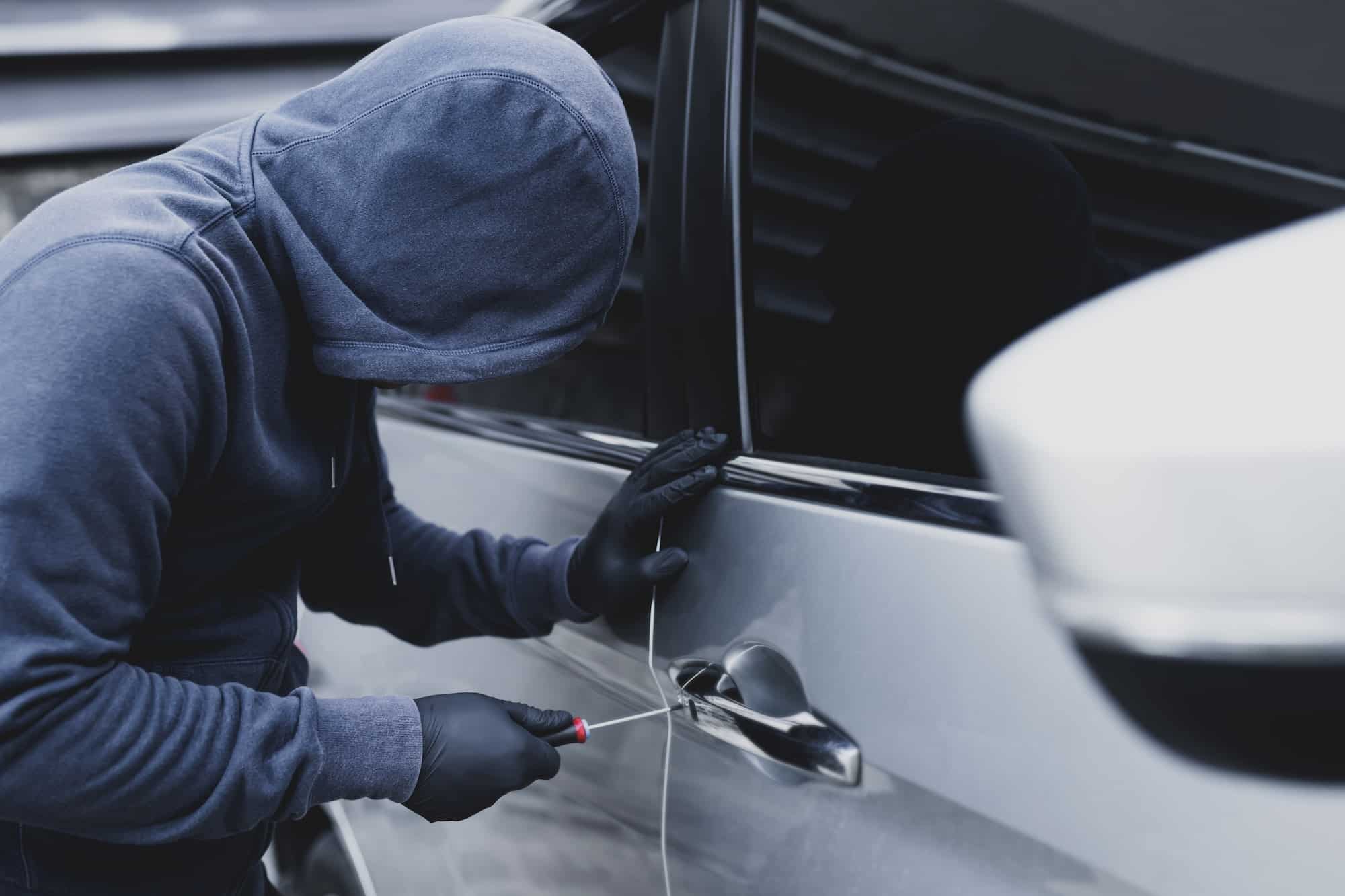
At the Weinstein Legal Team, criminal defense lawyer Matt Shafran will work tirelessly on your theft case. Matt and the team are skilled in navigating the technical details that criminal cases often rest on and have successfully defended numerous theft and property cases.
According to the Florida Statute Section 812.014 for Theft, Florida laws use the legal term "theft" to refer to a variety of property crimes, such as stealing, larceny, misappropriation, conversion, and other offenses. In general, a theft crime involves the unauthorized use or taking of someone else's property. The laws in Florida distinguish levels of theft, petit theft, and grand theft.
These levels determine whether an offense will be prosecuted as a felony or a misdemeanor. The degree often depends on the value of the stolen property and other circumstances.
Most theft crimes involve a range of degrees depending on factors such as the dollar amount of items stolen, the use of force or firearms during the theft, and, in crimes such as arson, whether or not someone was injured. While all theft crimes are considered property crimes, not all property crimes – vandalism, for example – involve theft.
In Florida, theft crimes can range from lower level petit theft offenses that include shoplifting or vandalism, to high-level felonies such as armed robbery and arson. Although burglary often involves theft, by law, it only requires unlawful entry with intent to commit a crime to be considered a crime. Other offenses include the taking of property or money. And if a victim is present, the crime can be considered robbery.
Definition of Theft According to Florida Law
In Florida, someone has committed a theft when they've taken or used property that is not theirs and allowed others to use that property. These acts must also be done with criminal intent.
In addition to levels, the penalties for theft in Florida are divided into criminal and civil. Theft crimes are also divided into types and degrees. The type of property stolen, combined with how much it was worth, determines the category and degree of the theft charge.
Second-Degree Petit Theft
The least serious type of theft in Florida is "petit theft." When a stolen property is worth $99 or less, the crime is charged as second-degree petit theft. It is a second-degree misdemeanor. This level of crime can result in a penalty of up to 60 days in jail, 6 months probation, and/or a fine of not more than $500.
First-Degree Petit Theft
When stolen property is valued between $100 and $299, the crime is considered first-degree petit theft and a first-degree misdemeanor.
A conviction for this type of theft may result in a maximum of one year in jail and a fine not to exceed $1,000.
If the defendant has been convicted twice of any level of theft crime, the charge will be changed to a third-degree felony.
According to Florid law, the penalties for a grand theft charge weigh heavily on the property that was stolen as well as its value.
Third-Degree Grand Theft
The charge of third-degree grand theft is more complex. When the stolen property is worth between $300 and $19,999 the charge is third-degree grand theft. In Florida, this charge is considered a third-degree felony.
The following are also considered third-degree grand theft:
- Motor Vehicle
- Firearm
- Fire Extinguisher
- Construction
- Stop Signs
- Any Amount of Controlled Substance
The penalty for these offenses can result in a maximum of 5 years of imprisonment and a fine of up to $5,000.
Second-Degree Grand Theft
When stolen property is worth between $20,000 and $99,999, the theft qualifies as second-degree grand theft and is also considered a second-degree felony.
The following are also considered second-degree grand theft: interstate or intrastate commerce cargo worth up to $49,999 or $300 or more of emergency medical equipment or law enforcement equipment.
A conviction for a second-degree felony can carry a maximum sentence of 15 years as well as a fine of up to $10,000.
First-Degree Grand Theft
In Florida, the highest theft level is first-degree grand theft, and it is a first-degree felony.
The following falls into this category: property worth $100,000 and higher, a semitrailer in use by law enforcement, and $50,000 or more of interstate or intrastate cargo. In addition, any grand theft that involves the use of a motor vehicle during the crime and results in over $1,000 in damage to personal property, land, or buildings is considered a first-degree grand theft.
These offenses carry a maximum sentence of 30 years and a fine of up to $10,000.
There are two types of civil penalties for theft in Florida. Civil infractions can incur penalties such as a suspended driver's license and possible supplemental fines depending on how much the stolen property is worth.
Suspension of Driver's License
In Florida, when someone is convicted of a misdemeanor, no matter the value of the stolen property, their driver's license may be suspended. If that person has a record of prior theft convictions, their driver's license will be suspended.
The first driver's license suspension can be for a maximum of six months, and the second one a maximum of one year. If the defendant is under 18, the courts may offer the suspension of their driver's license, or delay giving them one, as an option rather than jail time, probation, or commitment to the Department of Juvenile Justice. In general, this is offered for first offenses or other special circumstances.
Theft Civil Liability
When someone commits a theft in Florida, they may be sued by the victim of the theft in civil court. In the case of a minor who commits theft or shoplifting, their parent or legal guardian may be held civilly liable in accordance with the Parents' Civil Liability for a Child's Acts (Fla. Stat. § 741.24).
They may be required to pay three times the monetary damage or $200, whichever is the greater amount. In the case of shoplifting, the retail value of the stolen merchandise is used. In addition, they may be required to reimburse the victim's court costs and reasonable attorney's fees.
In order to sue, the victim of the theft is required to send a written request for payment at least 30 days before filing an action for civil liability. If the defendant pays the amount requested, the victim is required to provide a written release from any more civil liability (Fla. Stat. Ann. § 772.11).
Effects of Previous Theft Convictions in Florida
When a person with previous theft convictions then commits a petit theft offense, the charges can be bumped up to a first-degree misdemeanor. And if you have two or more theft convictions, a petit theft offense can turn into a third-degree felony because a prosecutor up-filed the charges.
If you have been charged with a theft or property crime in Orlando, West Palm Beach, or Fort Lauderdale, no matter the degree, the criminal defense team at Weinstein Legal can help. As a former Assistant State Attorney, theft attorney Matt Shafran knows the complex theft and property laws inside and out. Together with our team, he will use every tool at his disposal to aggressively fight for you.