
A federal warrant and a state warrant are not the same document and they do not work the same way. A federal warrant is issued in a United States district court for a violation of federal law and can be executed anywhere in the country. A Florida state warrant is issued by a Florida judge for a violation of Florida law, and outside Florida it takes an extradition proceeding to bring you back.
The fundamental distinction between federal and state warrant systems lies in their scope of authority, geographic reach, and the severity of potential consequences. Federal warrants stem from violations of federal law and carry nationwide enforcement power, while state warrants typically address violations of state statutes and local ordinances within specific geographic boundaries.
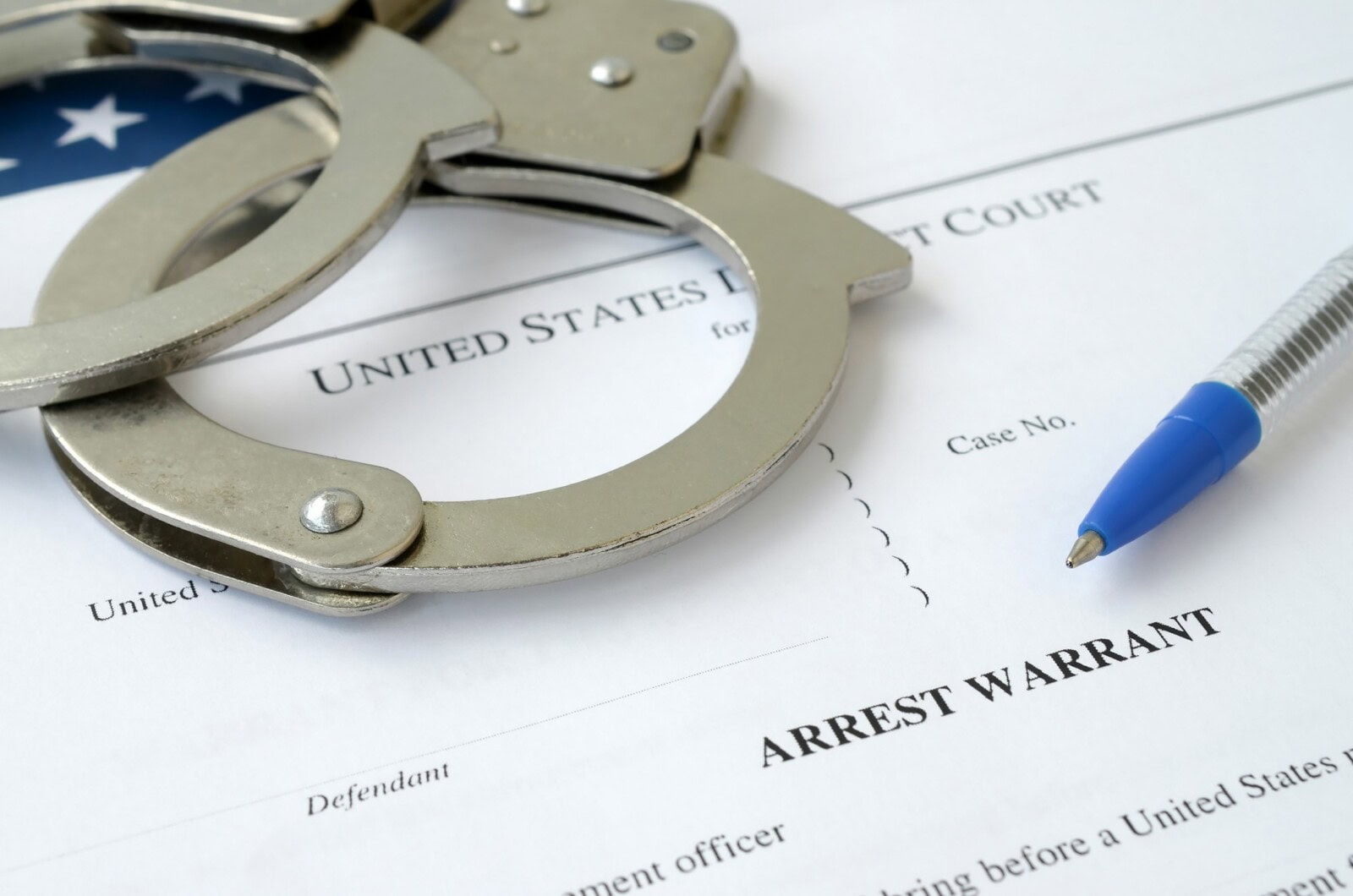
Types of Criminal Warrants
The jurisdictional differences make more sense after a look at the basic types of warrants issued by both federal and state authorities. Criminal warrants fall into several categories, each serving different purposes within the justice system.
Arrest warrants authorize law enforcement to apprehend suspects for specific criminal charges. Search warrants permit authorities to search specific locations for evidence. Bench warrants are issued when defendants fail to appear in court as required.
What Are Federal Warrants?
Federal warrants originate from federal law enforcement agencies when individuals violate federal statutes. These typically involve crimes that cross state lines, affect interstate commerce, or fall under specific federal jurisdiction. Immigration offenses are prosecuted only in federal court, under Title 8 of the United States Code, which is one reason a person can face a federal warrant for conduct that no Florida statute covers.
Federal warrants commonly result from federal drug offenses, immigration violations, firearms charges brought under 18 U.S.C. s. 922, and white-collar cases such as wire fraud and money laundering. The U.S. Marshals Service is the federal government's primary fugitive apprehension agency and, under 28 U.S.C. s. 566, investigates fugitive matters as directed by the Attorney General. It commonly carries warrants for bond defaults, supervised release and probation violations, escapes, and agencies that have no arrest authority of their own.
Federal agencies such as the FBI, DEA, ATF, and other specialized units issue these warrants with access to vast resources, advanced technology, and nationwide databases that enable comprehensive investigations. Federal warrants are processed through the U.S. District Court system, where federal magistrates and judges oversee proceedings under federal rules of criminal procedure.
Understanding State Warrants
State warrants are issued by state and local law enforcement agencies for violations of state laws and local ordinances. These cover the vast majority of criminal activity in the United States, addressing crimes such as theft, assault, DUI, domestic violence, and other offenses that fall under state criminal codes rather than federal jurisdiction.
State warrant systems include various types, such as bench warrants for court non-appearance, arrest warrants for criminal charges, and search warrants for evidence gathering. State and local courts handle the overwhelming majority of criminal prosecutions in the United States, so most warrants outstanding at any given moment are state warrants rather than federal ones.
State warrants are processed through county and state court systems, where local judges oversee proceedings according to state criminal procedures and sentencing guidelines. This system operates with more variation between jurisdictions but generally offers more familiar procedures to local practitioners and defendants.
Key Jurisdictional Differences
The jurisdictional differences between federal and state warrant systems create distinct legal pathways that affect every aspect of criminal proceedings. These differences impact everything from initial arrest procedures to final sentencing, making it necessary for defendants to understand which system governs their case.
Authority and Scope
Federal jurisdiction operates under constitutional limitations that restrict federal authority to specific areas such as interstate commerce, federal property, and crimes that cross state boundaries. Federal arrests accounted for 28,706 of the 74,222 fugitive apprehensions by USMS in FY 2024, demonstrating federal law enforcement's nationwide operational scope while highlighting the selective nature of federal prosecution.
State jurisdiction encompasses the broad police powers reserved to states under the Constitution, covering most everyday criminal activity, including violent crimes, property crimes, and traffic violations. This broader scope means state courts handle the vast majority of criminal cases, though penalties and procedures vary significantly between different state systems.
Geographic Reach
Federal warrants carry nationwide execution authority under USMS jurisdiction. This means they can be enforced anywhere in the United States without additional legal procedures. This comprehensive reach allows federal agents to apprehend fugitives regardless of their location within U.S. borders.
A state warrant does not carry its own nationwide force. Extradition between states runs on Article IV, Section 2 of the U.S. Constitution and 18 U.S.C. s. 3182, and Florida's own procedure is set out in chapter 941 of the Florida Statutes, which requires a written demand made to the Governor. Out-of-state warrants do appear in the FBI's National Crime Information Center database, so officers in another state can find you and hold you, but moving you back to Florida still takes that process.
Resource Differences and Case Impact
Federal agencies typically possess superior resources, including advanced forensic capabilities, extensive databases, specialized units, and significant funding for complex investigations. These resources enable federal law enforcement to pursue sophisticated cases involving organized crime, cybercrime, and multi-jurisdictional offenses.
State and local agencies operate with more limited resources but often have better knowledge of local conditions and community-specific crime patterns. This resource disparity directly affects warrant enforcement efficiency and case outcomes, with federal cases often involving more extensive surveillance and technological tools.
Multi-Level Legal Issues and Complications
Some criminal conduct falls under both federal and state jurisdiction, creating complex legal situations where defendants may face charges in multiple systems simultaneously. This dual jurisdiction complicates legal strategy and requires careful coordination between different levels of law enforcement and prosecution.
Concurrent Jurisdiction Cases
When both federal and state authorities have jurisdiction over the same conduct, prosecutors at different levels may coordinate their efforts or compete for the right to prosecute first. In Florida this often means the same drug or firearm conduct sits in front of a state prosecutor and an Assistant United States Attorney at the same time, and whichever office charges first shapes everything that follows.
Strategic considerations for defendants facing potential charges in both systems include plea negotiation timing, resource allocation between defense teams, and coordination of surrender procedures. The choice of which jurisdiction to address first can significantly impact overall case outcomes and sentencing exposure.
Double Jeopardy Considerations
The dual sovereignty doctrine permits separate federal and state prosecutions for the same conduct without double jeopardy violations, as established in Gamble v. United States (2019). This principle means defendants can face prosecution in both federal and state courts for the same underlying criminal activity.
Practical considerations for defense attorneys include negotiating global plea agreements that resolve both federal and state exposure, timing surrender procedures to minimize overall consequences, and coordinating with prosecutors in multiple jurisdictions to achieve the best possible outcomes for clients.
Federal Surrender Process
Understanding the federal surrender process is important because federal cases involve specialized procedures that differ significantly from state criminal proceedings. The complexity of federal law and the severity of potential consequences make proper legal representation necessary from the earliest stages of federal involvement.
Initial Steps and Attorney Consultation
Obtaining experienced federal criminal defense representation before any contact with federal authorities is absolutely necessary for anyone facing federal warrant issues. Federal cases require specialized knowledge of federal laws, procedures, and sentencing guidelines that differ substantially from state criminal practice.
The process of contacting federal authorities should always occur through an attorney who can negotiate surrender arrangements and protect the defendant's rights throughout the process. Experienced federal defense attorneys understand how to communicate with federal prosecutors and can often arrange voluntary surrender under favorable conditions.
Federal Court Proceedings
Federal court proceedings begin with an initial appearance before a United States magistrate judge, who tells you the charge and your rights. Release is governed by the Bail Reform Act, 18 U.S.C. s. 3142, under which the judge weighs risk of flight and danger to the community. For certain drug and firearm charges that statute presumes detention and puts the burden on you to rebut it, which is the single biggest difference from a Florida bond hearing.
Federal discovery procedures involve comprehensive disclosure requirements that can include extensive documentation, expert testimony, and complex evidence analysis. Federal cases typically proceed through a structured system with specific deadlines and procedures that require experienced federal practice knowledge.
Sentencing Guidelines and Consequences
The Federal Sentencing Guidelines produce a range calculated from an offense level and a criminal history category, and many federal statutes carry a mandatory minimum that sits on top of that range. The practical result is that a federal sentence for drug or firearm conduct is often longer than a Florida sentence for the same underlying facts.
There is no federal parole for offenses committed on or after November 1, 1987; the Sentencing Reform Act of 1984 abolished it. Under 18 U.S.C. s. 3624(b) a federal prisoner can earn up to 54 days of good conduct time for each year of the sentence imposed, so a federal sentence is served close to in full. Federal convictions carry long-term consequences, including restricted employment opportunities, professional licensing limitations, and federal benefits restrictions that can impact defendants for decades.
State Surrender Process
State surrender processes vary significantly between jurisdictions but generally follow more familiar procedures than federal cases. Local practitioners often have extensive experience with state court systems, making navigation somewhat more predictable for defendants and their attorneys.
State Court Procedures
State court arraignment procedures typically involve appearance before local judges who handle initial bail determinations and preliminary hearings according to state criminal procedure rules. State bail systems often provide more flexibility in release conditions and payment arrangements compared to federal court requirements.
State discovery procedures and plea negotiation processes vary by jurisdiction but generally allow for more informal communication between prosecutors and defense attorneys. Bench warrants for a missed court date are the largest single source of outstanding state warrants, and in Florida one will surface at every routine traffic stop until it is cleared.
Bail and Release Options
State courts typically offer various bail options, including cash bail, property bonds, surety bonds, and pretrial release programs that provide more flexibility than federal systems. Many states have implemented bail reform measures that emphasize pretrial release for non-violent offenses, often using percentage-based bail schedules rather than the federal risk assessment factors.
State-specific pretrial supervision programs often include electronic monitoring, regular check-ins, and community service requirements that allow defendants to remain in the community while awaiting trial. These programs generally cost less than detention and provide more options for defendants with limited financial resources.
Choosing the Right Legal Representation
Selecting an attorney with experience in the appropriate jurisdiction is necessary because federal and state criminal practice require different skill sets and knowledge bases. Federal practice demands familiarity with federal sentencing guidelines, specialized federal procedures, and relationships with federal prosecutors and judges.
Qualities to look for in federal criminal defense attorneys include demonstrated experience with federal cases, knowledge of federal sentencing guidelines, and established relationships within the federal court system. State criminal defense attorneys should have extensive experience with local court procedures, relationships with local prosecutors, and knowledge of state-specific sentencing alternatives.
Some cases may require coordination between attorneys in different jurisdictions, particularly when defendants face both federal and state charges. This coordination requires careful communication and strategic planning to ensure consistent representation across multiple legal systems.
Strategic Considerations for Warrant Resolution
Jurisdiction significantly affects strategy for warrant resolution, with federal cases often requiring more specialized negotiation approaches compared to state cases. Federal prosecutors typically have more resources and less flexibility in plea negotiations, making early intervention and experienced representation important.
Coordination with prosecutors and law enforcement in the appropriate jurisdiction requires understanding their priorities, procedures, and decision-making processes. Experienced attorneys can navigate these relationships to achieve voluntary surrender arrangements and favorable resolution terms.
Timing Factors in Warrant Resolution
The surrender jurisdiction you choose can also impact case outcomes, particularly when defendants face potential charges in multiple systems. Federal cases often move more slowly due to complex procedures and resource allocation, while state cases may offer quicker resolution options.
Timing considerations include the statute of limitations in different jurisdictions, the availability of cooperation opportunities, and the potential for favorable plea agreements. Jurisdiction also affects the urgency of surrender, as federal warrants typically carry more severe consequences and longer investigative timelines.
Contact Experienced Criminal Defense Attorneys Today
The complex differences between federal and state warrants create significant challenges for defendants, as jurisdictional distinctions can dramatically impact legal outcomes and long-term consequences. Understanding these differences is fundamental to developing effective legal strategies and achieving favorable case resolutions.
The criminal defense attorneys at Weinstein Legal Team handle both federal and state warrant matters in Florida. Whether you're facing federal charges or state warrant issues, we handle federal and state warrant matters, including negotiated surrenders, detention hearings and the federal sentencing guidelines that follow.
Call Weinstein Legal Team 24/7 at 888-626-1108 for a free case review with a criminal defense lawyer, or click here to schedule your free case review now.