
Florida changed the law on apartment security liability in 2023. House Bill 837, chapter 2023-15, took effect March 24, 2023 and created Fla. Stat. 768.0706, which gives the owner of a multifamily property a presumption against liability for a crime committed on the property by a third party, provided the owner meets a specific list of security measures.
Governor Ron DeSantis signed House Bill 837, known as the "tort reform" bill, to combat lawsuit abuse and make significant changes to Florida's justice system, which now includes the law governing negligent security claims.
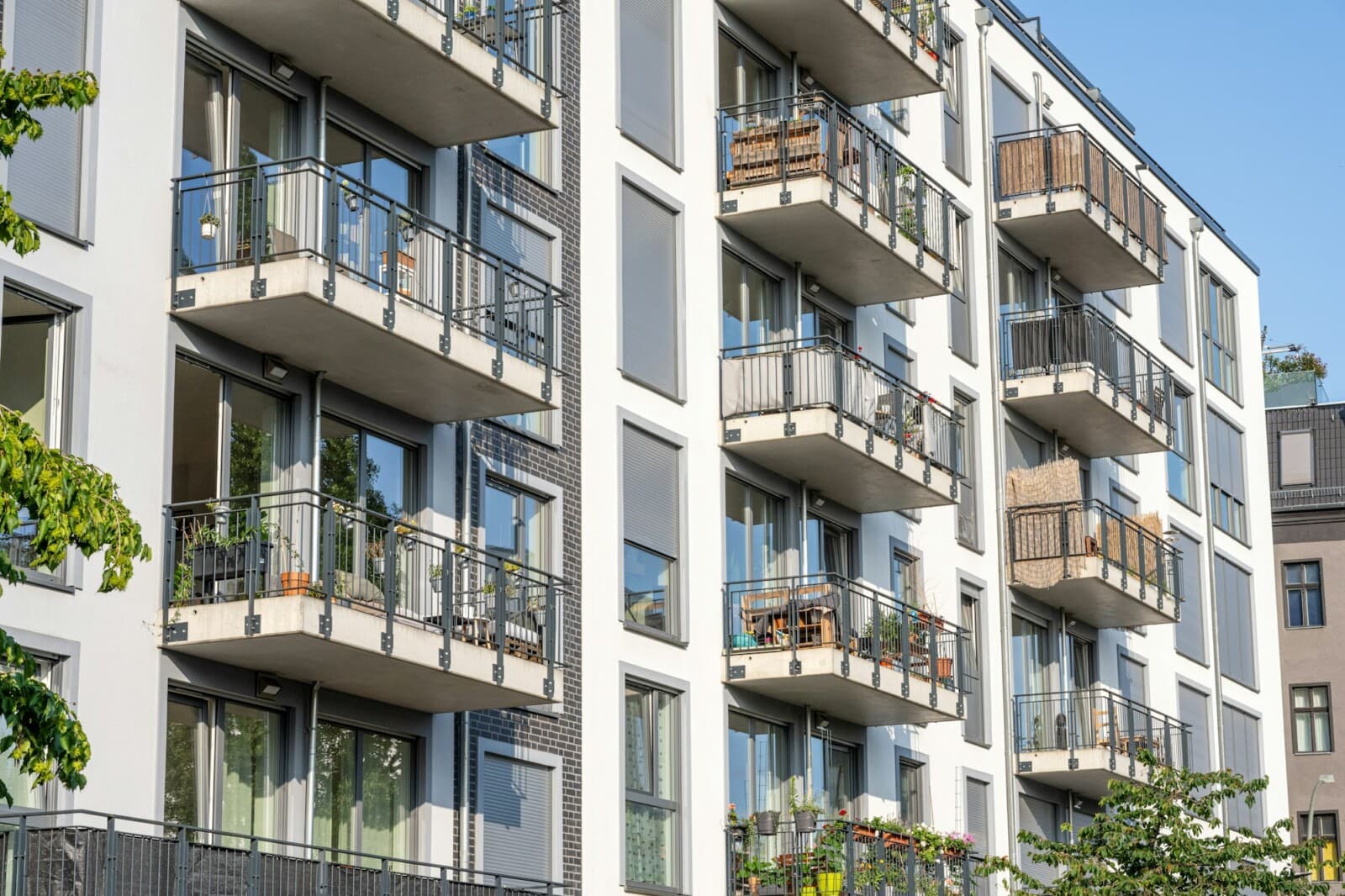
While the law is meant to protect property owners from frivolous suits, some fear it could make it more difficult for injury victims to get compensation for their damages. Keep reading to learn more about these changes.
Apartment Security Liability In Florida
Florida premises liability comes from the common law, not from a single statute of that name. A property owner owes a tenant or an invited visitor a duty to keep the premises reasonably safe and to warn of dangers the owner knew about or should have known about. Where the danger is criminal activity by someone else, the duty turns on foreseeability, which is usually established through prior similar crimes on or near the property.
If a person is harmed due to inadequate safety precautions, the property owner can be liable for negligence and face legal consequences. While these laws exist to protect individuals against negligence, property owners felt the laws were abused and lobbied the state to reform its tort laws.
Responsibilities Of Property Owners And Landlords
Whether the property is a small 5-unit apartment complex or a 20-story highrise apartment building, the owners of the property have a legal duty to maintain the building so that any potential hazards or threats to the safety of the tenants, visitors, and employees are mitigated. Some of these duties include:
- Conducting regular property inspections to Identify and eliminate potential safety hazards immediately.
- Ensure common areas are well-lit to minimize the risk of accidents or crime.
- Keep communal areas clean and free from contamination that could cause accidents.
- Take care of wear and tear, such as mending broken railings, replacing worn flooring, and repairing damaged walls.
- Adhere to all maintenance regulations the State of Florida sets and any county regulations.
Tenants’ Expectation of Security
When you sign a lease for an apartment, you are entering into the agreement with the expectation that both your personal living space and any shared common spaces will be secure and safe for you to occupy.
While every apartment is different, here are a few of the security measures that should be available in any apartment in Florida.
- All exterior doors should have deadbolt locks to provide security against break-ins.
- Ensure all windows have functioning locks to deter burglars and help prevent unauthorized entry.
- There should be adequate lighting around the building, specifically near entrances and exits, to deter potential criminals.
- There shouldn’t be any damage to the property that could result in injury to a tenant, such as exposed wiring, broken locks, or disabled fire alarms.
Florida’s New Tort Reform Bill
Florida Governor Ron DeSantis signed House Bill 837, known as the "tort reform" bill, to limit property owners’ liability and reduce frivolous lawsuits. The bill was introduced to strike a balance between property owners' rights and the safety of residents and visitors.
HB 837 Overview
Section 8 of HB 837 created Fla. Stat. 768.0706, which reaches a residential building or group of buildings with at least five dwelling units on one parcel. An owner or principal operator who substantially implements all seven of the following measures gets a presumption against liability for a criminal act committed on the premises by a third party who is not an employee or agent:
- A security camera system at points of entry and exit that records and keeps footage retrievable for at least 30 days
- A parking lot lit from dusk until dawn at an average of at least 1.8 foot-candles per square foot, measured 18 inches above the surface. That figure applies to the parking lot only, not to the rest of the property
- Lighting from dusk until dawn in walkways, laundry rooms, common areas and porches
- At least a 1-inch deadbolt in each dwelling unit door
- A locking device on each window, each exterior sliding door, and any other door not used for community purposes
- Locked gates with key or fob access along pool fence areas
- A peephole or door viewer on each unit door that has no window in it and no window next to it
Two further conditions carried a deadline of January 1, 2025. By that date the owner needed a crime prevention through environmental design assessment no more than three years old, performed by a law enforcement agency or by a Florida Crime Prevention Through Environmental Design Practitioner designated by the Florida Crime Prevention Training Institute, and had to stay in substantial compliance with it. By the same date the owner had to give crime deterrence and safety training to existing employees, and since then has had to train each new hire within 60 days.
Does Meeting the Standards Make an Apartment Owner Immune From Suit?
No. Section 768.0706 creates a presumption against liability, not immunity. The owner can still be sued, and the owner carries the burden: section 768.0706(3) puts the burden of proof on the owner or principal operator to demonstrate that the security measures were substantially implemented. A tenant can put on evidence and rebut the presumption. Section 768.0706(5) says separately that the section does not establish a private cause of action, so it neither creates a claim a tenant can file under it nor ends a negligent security case by itself.
What Else Did HB 837 Change?
HB 837 rewrote a good deal of Florida tort law. Three of its changes reach anyone injured on an apartment property.
Modification of Comparative Negligence System
Florida moved from pure comparative negligence to modified comparative negligence. Fla. Stat. 768.81(6) now says a party found greater than 50 percent at fault for his or her own harm may not recover any damages. At 50 percent or less you still recover, reduced by your own share. The bar applies to causes of action filed after March 24, 2023, and subsection (6) does not reach medical negligence claims under chapter 766, which keep the older rule.
In a negligent security case this is usually where the fight lands. An owner who cannot win on causation will argue the tenant's own conduct instead, because pushing a tenant past the 50 percent line ends the claim outright rather than merely trimming it.
Statute of Limitations for Negligence Actions
HB 837 cut the limitation period for negligence from four years to two, at Fla. Stat. 95.11(5)(a). The two-year period runs on causes of action accruing after March 24, 2023; a claim that accrued before that date kept the old four years. The two HB 837 changes on this page run on different triggers, and it is worth keeping them apart: the fault bar keys off the date the case is filed, while the two-year deadline keys off the date the claim accrued.
Impact on Insurance Claims, Medical Bills, and Damages
Another major change implemented by HB 837 is the introduction of significant restrictions on recovering medical bills and damages.
Fla. Stat. 768.0427 changed what a jury may hear about medical bills. A past bill that has been satisfied is proved by the amount actually paid, whatever the source of payment. An unpaid bill is proved by what the claimant's health coverage is obligated to pay, or, for a claimant with no coverage or with Medicare or Medicaid, by 120 percent of the Medicare rate, or 170 percent of the state Medicaid rate where no Medicare rate applies. Treatment given under a letter of protection carries its own disclosure duties under section 768.0427(3).
Bad faith got harder to prove. Under Fla. Stat. 624.155(4)(a), a bad faith action on a liability claim does not lie if the insurer tenders the lesser of the policy limits or the amount demanded within 90 days after receiving actual notice of a claim supported by enough evidence to back the amount. That is a safe harbor for tendering, not a general grace period for responding. Section 624.155(5)(a) adds that mere negligence alone is not bad faith.
What Does This Mean For Floridians?
The enactment of HB 837 has far-reaching implications for Florida residents. By altering the legal framework governing personal injury cases, the bill affects how individuals seek redress for injuries sustained due to negligence.
While proponents argue that the reforms will reduce frivolous lawsuits and lower insurance costs, critics express concerns about potential barriers to justice for genuinely injured parties.
Speak To An Attorney About A Premises Liability Claim
If you were injured due to the negligence of an apartment’s owner or management, you could have a premises liability claim. Even though Florida’s new tort reform laws can make it more difficult to file a claim, that doesn’t mean that an experienced personal injury attorney can’t get you the compensation you deserve for your injuries, lost wages, and even emotional distress.
Weinstein Legal Team’s injury attorneys work on a contingency fee basis, which means you won’t pay any costs or fees for your representation unless we win your case. Click here to schedule a free consultation with an attorney, or call us today at 888.626.1108 to get started.