
- The 21-day rule in Florida grants defendants the right to an adversarial preliminary hearing if the State Attorney fails to file formal felony charges within 21 days of an arrest.
- An adversarial preliminary hearing serves as a critical procedural safeguard that forces prosecutors to present live, sworn witness testimony to establish felony arrest probable cause.
- If the prosecution fails to file a formal Information, Florida criminal procedure mandates a release on recognizance by the 33rd day and sets an absolute custody limit of 40 days.
- New 2025 amendments to Florida Rule 3.134 extend strict charging deadlines to defendants on pretrial release, requiring formal charges within 60 to 90 days to prevent indefinite liberty restrictions.
- Securing early representation from a criminal defense attorney is vital because statutory release rules are not self-executing and require a proactive pretrial release motion to enforce these deadlines.
In Florida, the State Attorney's Office faces strict, non-negotiable deadlines to file formal felony charges against an arrested individual. When a person is held in custody without being formally charged, the defense can invoke specific procedural rules to secure their immediate release. Understanding these statutory windows is critical for regaining your freedom and forcing the prosecution to prove its case early in the process.
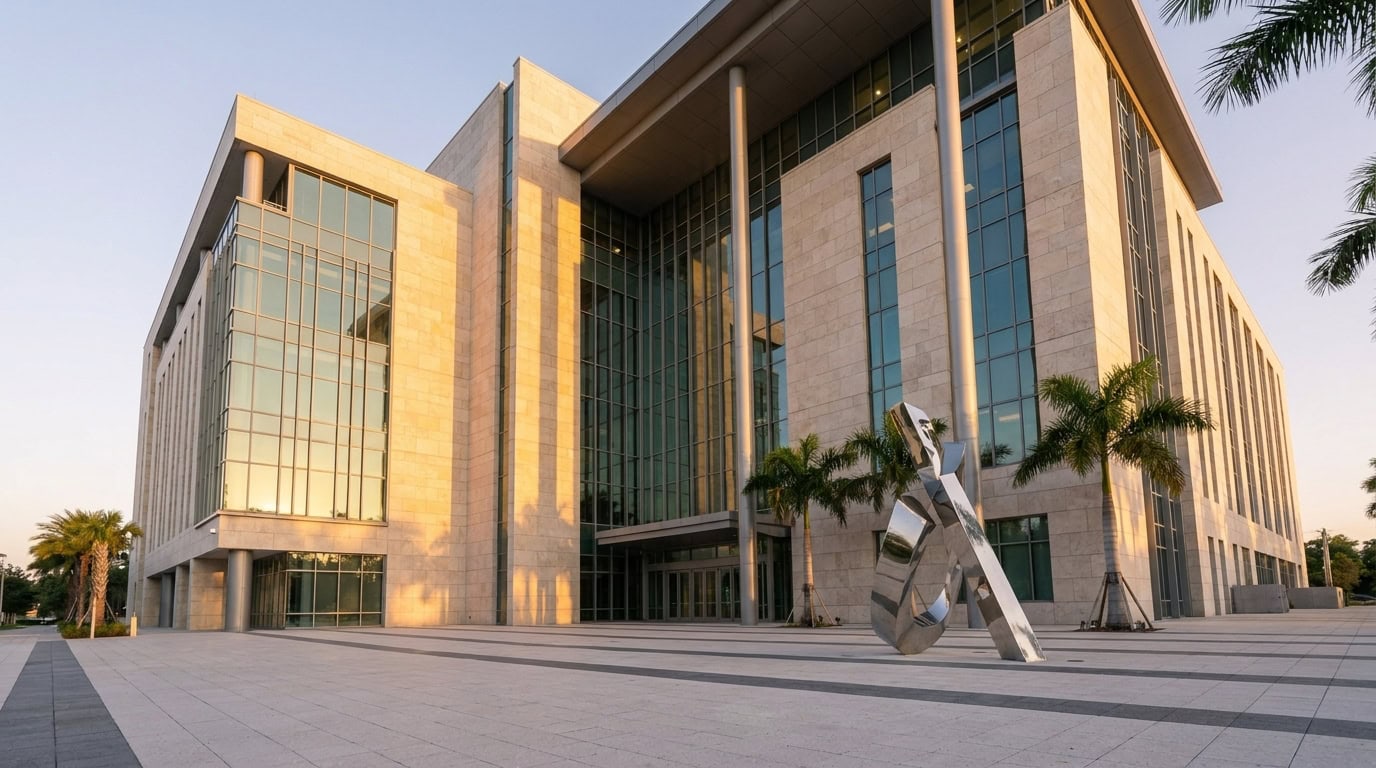
The Florida Felony Charging Process and the Role of the State Attorney
Many people mistakenly believe that being arrested is the same as being formally charged with a crime. The Florida felony charging process transitions from the police to the State Attorney's Office immediately following an arrest.
Florida Pretrial Filing Deadlines Summary:
| Timeline from Arrest | Pretrial Custody Status | Procedural Right / Legal Remedy | Governing Rule (Fla. R. Crim. P.) |
| Day 21 | In custody (uncharged) | Right to demand an adversarial preliminary hearing to challenge probable cause. | Rule 3.133(b) |
| Day 30 | In custody (uncharged) | Court holds a status hearing to address the State's failure to file charges. | Rule 3.134(a) |
| Day 33 | In custody (uncharged) | Mandatory automatic release on own recognizance (ROR) unless the State shows good cause. | Rule 3.134(a)(2)(A) |
| Day 40 | In custody (uncharged) | Absolute deadline for ROR release from custody if no formal charges are filed. | Rule 3.134(a)(3) |
The Role of the State Attorney's Office
Police officers make arrests based on probable cause that a felony occurred, but they lack the legal authority to file formal criminal charges. Once an arrest occurs, the State Attorney's Office takes over the file to conduct a pre-filing investigation. Prosecutors review police reports, examine physical evidence, and interview witnesses to determine if they can prove the case beyond a reasonable doubt.
The prosecutor has sole discretion to decide whether to proceed with the charges listed in the police report. They may choose to file the original charges, reduce them to misdemeanors, or upgrade the case to more serious felony offenses. Even if a victim wants to drop the charges, the State Attorney can still choose to prosecute by using their subpoena power to compel witnesses to testify.
If the prosecutor determines that the evidence is insufficient or that the arrest was legally flawed, they can submit a No Information document. Filing a No Information effectively ends the prosecution and results in the dismissal of the case before it ever reaches a courtroom. The final charging decision rests entirely with the State Attorney, regardless of the arresting officer's personal opinions on the matter.
What is an "Information" in Florida Criminal Courts?
An Information is the formal charging document that officially initiates the trial process for most felony cases in Florida. The document contains a plain and definite written statement of the essential facts constituting the alleged offense, the defendant's biographical details, and the specific criminal statutes violated. Florida Rule of Criminal Procedure 3.140(g) requires the State Attorney or a designated assistant to sign the Information under oath, certifying that it is filed in good faith, thereby distinguishing it from an arrest warrant or a grand jury indictment.
Once filed with the clerk of court, the case moves from the investigative stage into the formal litigation phase. The filing of this document signifies that the prosecutor has reviewed the evidence and determined that a case should proceed. Without it, the court lacks the jurisdiction to take the defendant to trial.
What is the 21-Day Rule in Florida Felony Cases?
Under Florida Rule of Criminal Procedure 3.133(b), if the prosecution fails to file a formal Information or Indictment within 21 days of an arrest, an uncharged defendant in custody has the right to demand an adversarial preliminary hearing. This hearing serves as a vital constitutional check, requiring the State Attorney to present live evidence and testimony to establish probable cause before a judge, rather than allowing a defendant to remain in jail indefinitely while the State conducts its investigation.
Your Rights Under Florida Rule of Criminal Procedure 3.133(b)
Under Florida Rule of Criminal Procedure 3.133(b), a defendant who isn't charged in an Information or indictment within 21 days from the date of arrest has a right to an adversarial preliminary hearing. The clock for this rule begins the moment the defendant is taken into custody or served with a capias.
If a judge finds no probable cause at this hearing, the defendant must be released from custody immediately. Rule 3.133(b)(5) states that if the judge finds probable cause, the defendant is held to answer to the circuit court. Otherwise, the judge shall release the defendant from custody unless an Information has been filed. In that case, the defendant must be released on their own recognizance.
Even if the judge finds probable cause, the hearing can still result in a release on recognizance if an Information hasn't been filed yet. This release doesn't void the prosecution but does prohibit any further restraint on the defendant's liberty other than requiring the defendant to appear for trial. Rule 3.133(b) provides a significant advantage to the defense by requiring the state to present its evidence early.
Can the Prosecutor Avoid the Adversarial Hearing?
When the defense files a motion for an adversarial preliminary hearing, prosecutors often scramble to file the formal Information. They do this to maintain control over the defendant's custody status and to avoid putting witnesses on the stand. However, Rule 3.133(b)(1) expressly states that the subsequent filing of an Information doesn't eliminate the defendant's entitlement to this proceeding.
If the state fails to produce its witnesses at the adversarial preliminary hearing, the defense can move for immediate release. Under Rule 3.133(b)(5), if the court finds that the state has failed to establish probable cause, the judge must release the defendant from custody on their own recognizance. This release does not dismiss the case; it completely removes all pretrial detention and bail conditions while the State Attorney decides whether to file formal charges.
Custody vs. Pretrial Release: Who is Eligible?
Defendants who remain in custody because they cannot afford to post bail most frequently utilize the 21-day rule. If the state hasn't made a filing decision within three weeks, the defendant is entitled to this additional bond hearing. It provides a secondary opportunity to argue for lower bail or release while the prosecutor is still reviewing the file.
Defendants who have been released from custody but face significant restraints on their liberty are also eligible for these protections. To qualify, the defense must file a written motion within 21 days of the arrest, documenting how the current release conditions are overly burdensome. If the court determines these conditions constitute a significant restraint, it must schedule and hold the adversarial preliminary hearing within seven days of the motion being filed.
Significant restraints typically include house arrest, strict travel restrictions, or continuous electronic monitoring. Attorneys use these motions to ensure the state isn't placing unnecessary burdens on individuals who haven't been formally charged.
The Power of the Adversarial Preliminary Hearing in Florida
The adversarial preliminary hearing in Florida is a critical procedural event that functions like a mini-trial. Unlike other early court appearances, this hearing allows the defense to challenge the state's case actively through evidence and testimony. It forces the state to reveal the strengths and weaknesses of its case very early in the process.
How an Adversarial Hearing Differs from a First Appearance
Under Rule 3.133(a), a nonadversarial probable cause hearing must occur within 48 hours of arrest for any defendant in custody who was arrested without a warrant. In these initial, closed-door reviews, the judge relies entirely on the written police report and affidavits. The defense has no active role, and the state's burden is met entirely through hearsay and paperwork.
In contrast, an adversarial preliminary hearing under Rule 3.133(b) requires a live, courtroom review. The State cannot rely solely on the written arrest affidavit: it must present actual, admissible evidence. Under Florida law, while hearsay is admissible to a limited degree in preliminary hearings, a finding of probable cause at an adversarial hearing cannot be based solely on hearsay testimony.
This shift from a paper review to a live hearing places a greater burden on the prosecutor. If the state fails to meet this burden, the defendant is often entitled to immediate release. It forces a judge to take a second, deeper look at the case before the defendant spends more time in jail.
Forcing the State to Present Live Witness Testimony under Oath
Rule 3.133(b)(3) requires that all witnesses must be examined in the presence of the defendant. This includes the arresting officers, lead investigators, and sometimes the alleged victim. These individuals must testify under oath, which provides a high degree of accountability that isn't present in a written police report.
This requirement shows whether the state's witnesses are cooperative, credible, and prepared for the pressures of a trial. If a witness fails to show up or gives conflicting testimony, it can significantly damage the state's ability to move forward. The defense can also request that witnesses be sequestered so they cannot hear each other's testimony.
Sequestration prevents witnesses from matching their stories and ensures that the court hears independent accounts of the events. These tactical moves are part of a broader strategy to secure the best possible outcome for the defendant. It's often the first time the defense can gauge the actual strength of the prosecution's case.
Cross-Examination and Exposing Weaknesses in the State's Case
An experienced defense attorney uses the adversarial hearing to cross-examine state witnesses. This is often the first time the defense can ask targeted questions to expose inconsistencies or unlawfully obtained evidence. By highlighting these flaws, the defense can demonstrate to the judge that the evidence supporting the probable cause is insufficient to sustain the detention.
Effective cross-examination can lead to the dismissal of the charges or to a release on the defendant's own recognizance. Even if the case isn't dismissed, the hearing puts the state on notice that the defense is prepared to fight. This proactive approach often changes the way a prosecutor views the case moving forward.
These hearings are particularly effective in drug cases or felony arrests where the evidence relies on witness memory or subjective interpretation. Identifying these issues on day 22 can save a defendant from months of unnecessary incarceration. It provides a necessary layer of protection against arrests that are based on weak evidence.
Strategic Benefits of Demanding an Adversarial Preliminary Hearing
Demanding an adversarial preliminary hearing requires careful legal strategy. A proactive defense attorney evaluates the specific facts of the case to determine if this hearing will provide a strategic advantage. It allows the defense to lock in testimony and gather discovery much earlier than the standard process allows.
Securing Sworn Testimony for Trial Preparation
First, all testimony is sworn and recorded, creating an official transcript. If a state witness changes their story or exaggerates details at trial, the defense can use this transcript to impeach their credibility before the jury. Furthermore, if a key witness becomes unavailable by the time the case goes to trial, their preliminary hearing testimony may be admissible under the former testimony exception to the hearsay rule.
Second, the hearing acts as an early discovery mechanism. Instead of waiting months for the state to produce police reports, body camera footage, or witness statements, the defense gets immediate exposure to the prosecution's evidence. Defense lawyers use these early insights to plan depositions, formulate trial strategies, and pinpoint the exact weaknesses in the state's case from day 22.
What Happens Beyond 21 Days? The 30, 33, and 40-Day Rules
The 21-day mark is only the first of several critical deadlines that dictate how a case proceeds. If the state continues to ignore these milestones, other rules under the Florida Rules of Criminal Procedure come into play. These rules include specific timelines for both in-custody and out-of-custody defendants.
The 30-Day Limit for Filing Formal Charges (Rule 3.134)
Under Rule 3.134, the state has a general 30-day window to file formal charges against a defendant who remains in custody. If the prosecutor misses this target, the defendant isn't automatically released the next morning. Instead, the court must schedule a status hearing on the 30th day to address the lack of an Information or indictment.
At the 30-day status hearing, the court gives notice to the State and provides the prosecutor an opportunity to show good cause for the delay. If the State cannot show good cause, the court must order that the defendant be automatically released on their own recognizance on the 33rd day unless formal charges are filed in the interim.
If the State successfully demonstrates good cause, the judge may grant a brief extension. However, the court must still order the defendant's automatic release on their own recognizance on the 40th day if formal charges remain unfiled by then. This structured progression deprives the State of the ability to hold a defendant indefinitely through bureaucratic delay.
The 33-Day Rule and Release on Own Recognizance
If the state still hasn't filed formal charges by the 33rd day, the court must order that the defendant be released on their own recognizance. Rule 3.134 requires the defendant's release on the 33rd day if no charges exist. This means they are freed from jail without having to post a financial bond or pay a bondsman.
This release is a mandatory requirement unless the state can show a very specific reason for the delay. It's important to note that the charges aren't dismissed at this stage. The defendant is simply allowed to wait for the prosecutor's decision on filing at home rather than in a jail cell.
This rule recognizes that a person's liberty is a fundamental right that shouldn't be restricted without a formal accusation, except to a certain extent. While they remain free, they must still attend all future court dates as required. The ROR status remains in place until formal charges are filed or the case is dismissed.
What Happens to Your Bond if No Charges Are Filed?
If the state fails to file an Information within the statutory timeframe and the court orders a release on recognizance, any bond previously posted should be discharged. The court releases the financial hold on the funds, allowing the bondsman or the person who paid the cash bond to reclaim their money.
To secure a bond discharge after an ROR release, a defense attorney must file a motion to discharge the surety or release cash bond with the clerk of court, attaching a certified copy of the court's release order. Once the State Attorney formally files a "No Information" (declining prosecution), the court automatically dissolves all pretrial conditions and releases any financial hold on the posted bond.
The 40-Day Absolute Deadline and the Pretrial Release Motion
In some cases, the state can show good cause at the status hearing to obtain a short extension to file charges. However, Rule 3.134(a)(3) states that in no event may any defendant remain in custody beyond 40 days without being formally charged. This 40-day limit is the absolute maximum timeframe for holding an uncharged individual in a Florida jail.
The Florida Supreme Court case of Bowens v. Tyson, 578 So.2d 696, established that these release rules are not self-executing. This means the jail won't simply open the doors on the 40th day if the paperwork hasn't arrived. The defense must actively file a motion for pretrial release to enforce these deadlines and protect the client's right to liberty.
Under Bowens v. Tyson, these release rules are not self-executing, and the right to release is lost if the State files formal charges before the defense secures a court order. If the 33rd or 40th day passes and the defense fails to file a motion and obtain a ruling before the prosecutor files the formal Information, the defendant loses their right to an automatic ROR release. Proactive legal intervention is vital to beat the state's filing window.
New 2025 Rules for Defendants on Pretrial Release
New amendments to Rule 3.134(b)(1), effective in 2025, extend these protections to defendants who've already been released on bond. The state must now file formal charges within 60 days for anyone on pretrial release. If they remain uncharged on the 60th day, the court must schedule a hearing to address the delay.
If no charges exist by the 63rd day, the court must order the defendant released from bail and all conditions of pretrial release. The state can extend this window by an additional 30 days only if it shows good cause. In no event may a defendant remain on supervised release for more than 90 days without being formally charged.
Being released from all pretrial conditions under Rule 3.134(b)(2) means that GPS monitors are removed, mandatory check-ins and curfews are canceled, travel restrictions are lifted, and any active bond is fully discharged. These 2025 amendments ensure that even if a defendant can afford bail, the State cannot leave them in indefinite, highly restrictive supervision without formally proving its intent to prosecute.
How a Criminal Defense Attorney Leverages These Procedural Rules
Florida's criminal justice timelines move fast. Having an attorney who understands these rules from day one can completely shift the trajectory of a felony case. Immediate intervention ensures that no deadlines are missed and every opportunity for release is pursued.
Pre-Filing Investigation and Strategic Negotiations
Proactive criminal defense lawyers don't wait for the prosecutor to decide on their own time. They launch an immediate pre-filing investigation to gather mitigating evidence and locate favorable witnesses. By contacting the assigned prosecutor before the 21- or 30-day mark, the defense can present reasons the case should be dropped.
The goal of this phase is to convince the State Attorney to file a No Information or reduce the charges to misdemeanors. Providing the state with evidence early can prevent the formal Information from ever being filed. This level of advocacy is only possible when a lawyer is working on the case from the very beginning.
During this pre-filing window, an attorney can actively present exculpatory evidence, such as alibi documentation, independent witness statements, video footage, or proof of restitution, directly to the assigned State Attorney. Highlighting these structural weaknesses early often convinces the prosecutor to file a formal No Information or reduce the felony to a misdemeanor before charges are filed.
Timing the Motion: Why Immediate Legal Representation Matters
While a public defender is typically appointed at your first appearance within 24 hours of arrest, extreme caseload demands often make it difficult for them to initiate a Rule 3.133(b) motion immediately. If the 21-day window closes and the defense has not formally demanded an adversarial preliminary hearing, the right to challenge probable cause is effectively lost once the state files the Information. Retaining a proactive, private attorney ensures that a motion is prepared and filed on day 22, without a moment's loss of leverage.
Hiring a private firm immediately after an arrest ensures that no deadlines are missed. A private lawyer can file motions for release on the very first day of eligibility and begin challenging the state's evidence. This speed and focus are essential for protecting someone's freedom and building a strong defense against serious allegations.
Immediate representation also ensures that valuable physical evidence and witness testimony are preserved. In the days following an arrest, memories are fresh, and surveillance footage is still available. A lawyer who starts working on day one has a much better chance of finding the evidence needed to win the case.
Speak To A Florida Defense Attorney Today
Being arrested for a felony in Florida triggers a strict, complex timeline that determines the future of your freedom. The 21-day rule is a powerful tool that allows us to force the prosecution to show their hand and expose weak evidence before the case even reaches trial. Understanding these procedural rules is the first step toward building a defense that holds the state accountable for every day you're held in custody.
Weinstein Legal Team's experienced defense attorneys understand the nuances of the Florida Rules of Criminal Procedure and how to use them to your advantage. We're dedicated to providing the motion-based defense needed to challenge the state's case and, under the law, secure your release as quickly as possible.
If you're being held without formal charges, our team can file an immediate motion for an adversarial preliminary hearing to challenge your detention. Contact us today to schedule your free case review with an attorney.