
Drowning is the leading cause of unintentional death for children ages 1 to 4 in Florida, and more than 500 Floridians died from unintentional drowning in 2023, according to the Florida Department of Health, which ranks the state fifth in the nation for drowning deaths. Year-round swimming weather is part of the reason. So is a pool that was never fenced, a gate that stopped latching, or an alarm nobody replaced.
Many of these devastating incidents could be prevented if property owners fulfilled their legal obligation to implement and maintain adequate safety features. When pool owners fail to follow established safety protocols, victims and their families have legal options to hold these negligent parties accountable for the resulting injuries and losses.
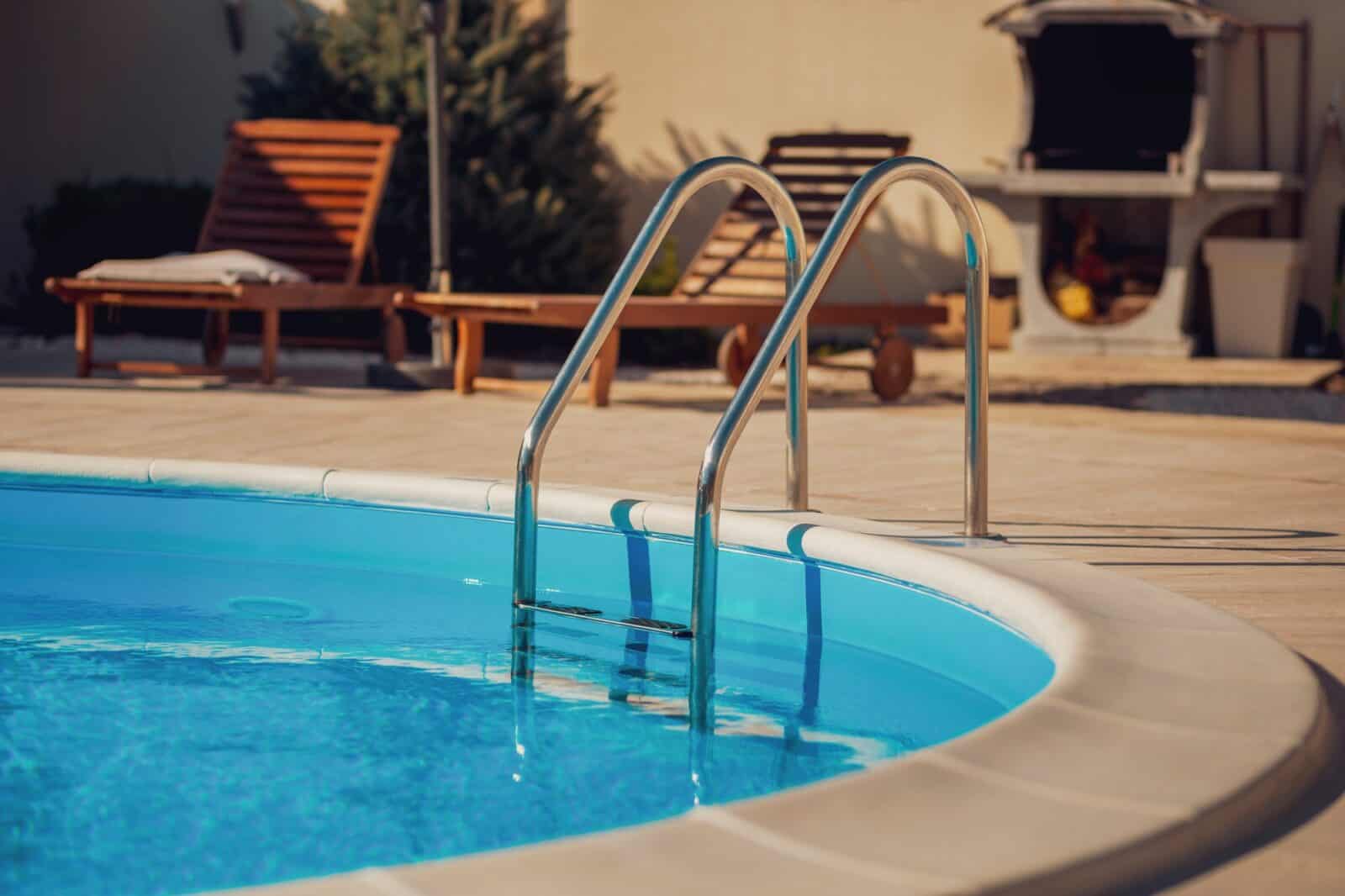
Florida Pool Safety Laws and Regulations
The Residential Swimming Pool Safety Act, chapter 515 of the Florida Statutes, has governed new residential pools since 2000. Under Florida Statute 515.27(1) a new residential swimming pool, spa, or hot tub cannot pass final inspection or receive a certificate of completion unless it has at least one of five safety features: a barrier meeting Florida Statute 515.29, an approved safety pool cover, exit alarms on every door and window with direct pool access, self-closing and self-latching devices on those doors with the release mechanism at least 54 inches above the floor, or a pool alarm meeting ASTM Standard F2208.
For residential pools built after October 1, 2000, at least one of those features is mandatory. Failing to equip a new pool is a second-degree misdemeanor under Florida Statute 515.27(2), though no penalty applies if the owner installs a safety feature and attends a drowning prevention education program within 45 days of arrest or citation. Older pools may be grandfathered out of the construction requirements, but the owner still owes a duty of reasonable care and can be sued when the pool becomes an unreasonable danger.
Local governments in Florida can and do adopt pool ordinances that go past the state minimum, and county or city building codes may add their own barrier, signage, or inspection requirements. Check the ordinances for the county and the city where the pool sits, because a local code violation is often the clearest proof of a breach in a premises liability case.
Barrier Requirements and Standards
Florida Statute 515.29 sets the barrier standard. The barrier must be at least 4 feet high on the outside. It may not have gaps, openings, indentations, protrusions, or structural components that could let a young child crawl under, squeeze through, or climb over it. It must run around the perimeter of the pool, separate from any yard fence unless that fence sits on the pool perimeter and meets the same requirements, and it must stand back far enough from the water that a child who does get past it will not fall straight in.
Gates have their own rule. Under Florida Statute 515.29(3) a gate providing access to the pool must open outward away from the pool, be self-closing, and carry a self-latching locking device whose release mechanism sits on the pool side of the gate, placed where a young child cannot reach it over the top or through any gap. A wall of the house may serve as part of the barrier only if it holds no door or window that opens to provide access to the pool, under Florida Statute 515.29(4). Where a door does open onto the pool deck, the owner is relying on one of the alarm or self-closing options in Florida Statute 515.27(1) instead.
These specific requirements are designed to create multiple layers of protection that provide sufficient time for adults to respond before a child can gain unsupervised access to the water.
Safety Equipment Requirements
Residential pools in Florida should be equipped with basic safety equipment, including a shepherd's hook (a pole with a hook on the end), a life ring with an attached rope, and a readily accessible phone to call emergency services. While not all of these items are explicitly required by state law for private pools, their absence could be considered evidence of negligence if an accident occurs.
Public pools are regulated by the Florida Department of Health under chapter 64E-9 of the Florida Administrative Code, which covers supervision and safety, rescue equipment, depth markings, and emergency communication. A public pool operating outside those rules hands an injured swimmer a concrete standard to measure the operator against.
These facilities must also prominently display safety rules, maximum occupancy limits, and have rescue equipment positioned at strategic locations around the pool deck where they can be quickly accessed in an emergency.
Common Types of Pool Accidents and Injuries
Pool accidents in Florida take many forms, from drownings and near-drownings to slips and falls, entrapment incidents, and chemical exposure. These accidents often result in catastrophic injuries or death that forever change victims' lives and devastate families. Knowing the common types of pool accidents makes it easier to spot the negligence behind them and establish liability when property owners fail to maintain safe conditions.
Drowning and Near-Drowning Incidents
Drowning is the leading cause of unintentional death for children ages 1 to 4 in Florida, and it looks nothing like it does on television. A drowning child usually slips under without splashing or calling out, which is how a pool goes from safe to fatal in the time an adult takes to answer the door.
A nonfatal drowning does not end when the child is pulled from the water. A child who was under long enough to lose consciousness can be left with permanent brain injury even after a textbook resuscitation.
These incidents can leave hypoxic brain injury, respiratory damage, and long-term cognitive impairment that needs lifelong care. Water drawn into the lungs can also cause inflammation and fluid buildup hours or even days later. Symptoms may not show up right away, so anyone pulled from the water should be seen by a doctor the same day, even if they seem fine.
Slip and Fall Accidents
Pool decks present significant slip and fall hazards due to wet surfaces, creating a dangerous environment when proper safety measures aren't implemented. Common causes include inadequate non-skid surfaces, poor drainage systems that allow water to accumulate, lack of proper warning signs, and failure to address spills or puddles promptly.
These conditions become particularly hazardous when combined with running children or inadequate lighting during evening hours. The resulting injuries from pool deck falls can be severe, including broken bones, traumatic brain injuries from head impacts on concrete surfaces, spinal cord damage, and deep lacerations.
Property owners can prevent these accidents by installing proper non-slip deck materials, maintaining adequate drainage, posting visible "no running" signs, and ensuring regular inspection and maintenance of all walking surfaces. When they fail to take these reasonable precautions, they may be held liable for the resulting injuries under Florida premises liability law.
Drain Entrapment
Drain entrapment occurs when a swimmer, typically a child, becomes trapped by the powerful suction created by pool drainage systems. The powerful vacuum effect can trap a person's hair, limbs, jewelry, or even their entire body against a drain cover, leading to drowning or serious internal injuries when the pressure draws internal organs against the drain opening.
The force exerted by some pool drains can be extremely powerful, making it impossible for even strong adults to overcome. The Virginia Graeme Baker Pool and Spa Safety Act, named after a seven-year-old who drowned after being trapped by a hot tub drain, established federal standards for anti-entrapment drain covers and safety systems.
Florida has folded those federal standards into its public pool rules, requiring anti-entrapment drain covers, split drains or an equivalent system, and safety vacuum release systems. A public pool still running a single flat unmodified main drain cover is out of compliance with federal law.
Chemical Injuries and Exposure
Pool chemical injuries can occur when pool maintenance is improperly handled or when chemicals are incorrectly stored, mixed, or applied. Chlorine gas exposure can cause severe respiratory distress, chemical burns to the eyes and skin, and in extreme cases, life-threatening pulmonary edema. Improper chemical balance can also lead to skin rashes, eye irritation, and exacerbation of conditions like asthma or allergies.
Property owners are responsible for ensuring proper chemical storage in secure, well-ventilated areas away from heat sources and incompatible substances. They must also maintain appropriate chemical levels through regular testing and adjustment, with documentation of these maintenance activities.
Commercial properties face specific requirements for chemical handling, including training for the staff who work with these substances and keeping a Safety Data Sheet, formerly called a Material Safety Data Sheet, on hand for every chemical used in pool maintenance.
Legal Liability for Pool Accidents in Florida
Florida law establishes clear frameworks for determining liability when pool accidents occur, with responsibility varying based on the property type and the relationship between the owner and victim. Victims seeking compensation need to know these legal standards, because negligence in the pool context can take many forms, from structural safety violations to inadequate supervision or improper maintenance.
Property Owner Responsibilities
Private homeowners with pools must maintain reasonably safe conditions for invited guests, which includes complying with safety regulations and addressing known hazards. They must warn visitors about non-obvious dangers and take special precautions when children are present. While homeowners generally owe less duty to uninvited adults, Florida's attractive nuisance doctrine creates heightened responsibility toward children who might be attracted to the pool even without permission.
Commercial property owners, including hotels, resorts, apartment complexes, and public facilities, are held to an even higher standard of care. These entities must regularly inspect their pools, promptly address safety issues, and comply with all applicable regulations for commercial facilities.
They're expected to implement appropriate supervision protocols, which may include hiring qualified lifeguards, depending on the size and nature of the facility. Under Florida's attractive nuisance doctrine, all pool owners must take reasonable steps to prevent children from accessing unsupervised pools, regardless of whether those children are trespassing. This legal principle recognizes that children may not appreciate the dangers pools present and places the burden on property owners to implement adequate safety measures.
Proving Negligence in Pool Accident Cases
To establish negligence in a Florida pool accident case, victims must prove four key elements: duty, breach, causation, and damages. First, the property owner must have owed a duty of care to the victim, which is established by the relationship between the parties (such as business invitee, social guest, or even trespasser under the attractive nuisance doctrine). The specific duty varies based on this relationship, but generally includes maintaining reasonably safe conditions.
Second, the victim must demonstrate that the property owner breached their duty through action or inaction. Examples include failing to install required safety features, neglecting to repair broken gate latches, leaving dangerous pool toys that create entrapment risks, or failing to properly secure the pool area. This breach can be established by showing violations of building codes, industry standards, or simply falling short of reasonable care under the circumstances.
Third, the victim must prove that the breach directly caused their injuries. Finally, the victim must document actual damages, which can include medical expenses, pain and suffering, lost wages, and other losses resulting from the accident. When applying the attractive nuisance doctrine mentioned earlier, the focus is particularly on whether the owner took reasonable steps to prevent foreseeable harm to children who might be attracted to the pool.
Inadequate Supervision and Lifeguard Liability
Florida does not require a lifeguard at every public pool. Supervision and safety at public pools are governed by chapter 64E-9 of the Florida Administrative Code, and many Florida pools operate lawfully with no lifeguard and a posted warning instead. That does not end the analysis. Where an operator does provide lifeguards, or where the size and character of the facility make supervision part of reasonable care, an absent, untrained, or inattentive guard is the negligence a claim gets built on.
Hotels, water parks, and other commercial enterprises may be held liable for inadequate supervision even when lifeguards are present if those guards aren't properly performing their duties. Common allegations include guards being distracted, improperly positioned, insufficiently trained, or too few in number for the facility size.
Courts evaluate these cases by examining industry standards, comparing similar facilities, and assessing whether the level of supervision was reasonable given the specific circumstances. Even without a specific lifeguard requirement, commercial properties may still be liable for failing to provide appropriate supervision based on foreseeable risks.
Comparative Negligence in Florida Pool Accidents
Florida's modified comparative negligence rule is Florida Statute 768.81(6), which took effect with House Bill 837 in 2023. Your compensation is reduced by your own share of fault, and a person found more than 50 percent at fault recovers nothing at all. The bar does not apply to medical negligence claims brought under chapter 766.
This legal standard can come into play in various pool accident scenarios. For example, if an adult swimmer ignored clearly posted warning signs about pool depth and suffered injuries from diving into the shallow end, they might be found partially responsible for their injuries. Similarly, a parent who was distracted by their phone instead of supervising their child may face allegations of comparative negligence in a drowning case.
Property owners and their insurance companies often attempt to shift blame to victims by claiming they were aware of risks, ignored safety rules, or failed to exercise reasonable care for their own safety. An experienced attorney can help counter these arguments by gathering evidence to minimize the victim's assigned percentage of fault and maximize potential compensation.
Damages Available to Pool Accident Victims
Victims of pool accidents in Florida may be entitled to various forms of compensation designed to address both the economic impact of their injuries and the non-economic suffering they've endured. These damages aim to restore victims financially to their pre-accident condition while also acknowledging the profound personal consequences that often accompany serious water-related injuries.
Medical Expenses and Rehabilitation
Pool accident victims can recover compensation for all medical expenses directly related to their injuries, including emergency transport, hospital stays, surgical procedures, doctor visits, prescription medications, and ongoing therapy. For near-drowning victims who sustain hypoxic brain injuries, these costs can be astronomical, often exceeding millions of dollars over a lifetime of care, specialized equipment, and adaptive technologies.
Future medical expenses represent a critical component of these claims, particularly in catastrophic injury cases. Expert medical and economic testimony helps establish the projected costs of continued care, which may include specialized rehabilitation facilities, in-home nursing care, respiratory therapy, cognitive rehabilitation, and numerous medical interventions throughout the victim's life expectancy.
These calculations must account for medical inflation and the likelihood that severely injured victims may require increasingly intensive care as they age.
Pain and Suffering
Non-economic damages for pain and suffering compensate victims for the physical pain, emotional distress, and diminished quality of life resulting from pool accidents. For near-drowning victims, this may include compensation for the terror experienced during the incident, chronic physical discomfort from residual injuries, and the psychological trauma that often manifests as anxiety, depression, or post-traumatic stress disorder, particularly around water.
In Florida, there are currently no statutory caps on pain and suffering damages in most personal injury cases, including pool accidents. This allows juries to award amounts they deem appropriate based on the specific circumstances of each case. Factors that influence these awards include the severity and permanence of injuries, the victim's age, pre-accident lifestyle, activities that can no longer be enjoyed, and the impact of the injuries on family relationships and daily functioning.
Wrongful Death Claims
When a pool accident results in death, Florida's Wrongful Death Act allows specified survivors to seek compensation through a claim brought by the deceased's personal representative. Eligible survivors typically include the victim's spouse, children, parents, and, in some cases, dependent relatives. The damages available include lost financial support the deceased would have provided, lost companionship and guidance, mental pain and suffering of the survivors, and funeral and burial expenses.
Florida law recognizes the loss of a child specifically: under Florida Statute 768.21(4) each parent of a deceased minor child may recover for their own mental pain and suffering. A wrongful death action must be filed within two years of the date of death under Florida Statute 95.11(5)(e). That is the same two-year window that now applies to ordinary negligence under Florida Statute 95.11(5)(a) for causes of action accruing after March 24, 2023.
A survival action may be filed alongside a wrongful death claim to recover damages the victim could have claimed had they survived, including pre-death pain and suffering and medical expenses incurred between the accident and death.
Insurance Coverage Issues in Pool Accident Cases
Insurance is usually what determines the recovery in a pool accident case, and which policies apply depends on where and how the accident occurred. Most homeowners' policies include liability coverage for pool accidents, typically between $100,000 and $300,000, though these limits are often insufficient for catastrophic injury or death cases. Some homeowners purchase additional umbrella policies that provide supplemental coverage of $1 million or more, specifically to address the increased liability exposure a pool creates.
Commercial properties generally carry more substantial liability insurance with higher coverage limits, but these policies often contain exclusions or limitations that insurance companies may invoke to deny or minimize claims. Common exclusions include incidents involving alcohol consumption, violations of posted rules, or accidents occurring outside designated operating hours.
Some policies also contain specific swimming pool endorsements that modify the standard coverage terms, sometimes restricting protection unless specific safety measures are documented. Insurance adjusters typically respond to pool accident claims aggressively, conducting thorough investigations aimed at identifying any basis for denying coverage or minimizing payout.
Pool Safety Technologies and Innovations
Modern pool safety technologies offer property owners additional layers of protection beyond traditional barriers and alarms. Underwater motion detection systems can identify when a person enters the water and sound an alarm if movement patterns suggest distress. These systems use sophisticated algorithms to distinguish between normal swimming movements and the stillness that might indicate a drowning victim.
Wearable water safety devices have also evolved significantly in recent years. Children can wear waterproof wristbands that trigger an alarm when submerged for longer than a preset time. Some advanced systems include GPS tracking and smartphone integration, allowing parents or supervisors to receive instant alerts if a child approaches the pool area without permission.
Other innovations include pool covers with enhanced safety features such as automatic locking systems, pool-specific camera monitoring systems with artificial intelligence that recognize drowning behavior patterns, and non-slip deck surfaces made from advanced materials that remain safe even when wet. Property owners who invest in these technologies not only enhance safety but may also reduce their liability exposure and insurance premiums.
Statute of Limitations and Legal Time Constraints
In Florida a pool accident victim generally has two years from the date of the accident to file a personal injury lawsuit, under Florida Statute 95.11(5)(a), for causes of action accruing after March 24, 2023. If the accident caused a death, survivors have two years from the date of death to file a wrongful death claim under Florida Statute 95.11(5)(e).
These deadlines are strictly enforced by Florida courts, and failing to file within the prescribed timeframe typically results in the permanent loss of the right to seek compensation.
Certain circumstances toll these deadlines, but the exceptions are narrower than most people assume. Florida Statute 95.051(1)(i) tolls the period for an injured minor only while there is no parent or guardian who is free of a conflict of interest and able to bring the claim. It does not hold the clock automatically until the child turns 18, and it does not extend the wrongful death deadline. Fraud or concealment by the defendant may also support a limited extension.
However, these exceptions are narrowly interpreted, making it critical to consult with an attorney promptly rather than assuming an extension will apply to your specific situation.
Speak With An Experienced Personal Injury Attorney Today
Pool accidents in Florida often result from preventable safety failures that property owners could have avoided through proper maintenance, adequate supervision, and compliance with established regulations. When negligent pool owners fail to fulfill their legal obligations, victims have the right to hold them accountable for the resulting injuries and losses through Florida's personal injury and premises liability laws.
You do not have to sort this out alone. Contact Weinstein Legal Team at 888.626.1108 for a free, no-obligation consultation. Our personal injury lawyers will review what happened, tell you what the evidence supports, and explain your options and your deadlines.