
If you are hurt at a Florida vacation rental, the claim runs against whoever controlled the property, which is almost always the host, and it is decided under ordinary premises liability law rather than any short-term rental statute. Florida does license vacation rentals as transient public lodging establishments, which brings inspection and safety obligations with it, but the booking platform is rarely the party that pays.
A vacation rental claim is harder than a hotel claim for practical reasons more than legal ones. There is usually no risk manager, no incident report, and often no commercial policy behind the property. Florida premises liability law still applies in full, so the questions are the ordinary ones: what was the hazard, did the host know or should the host have known about it, and which policy covers the property.
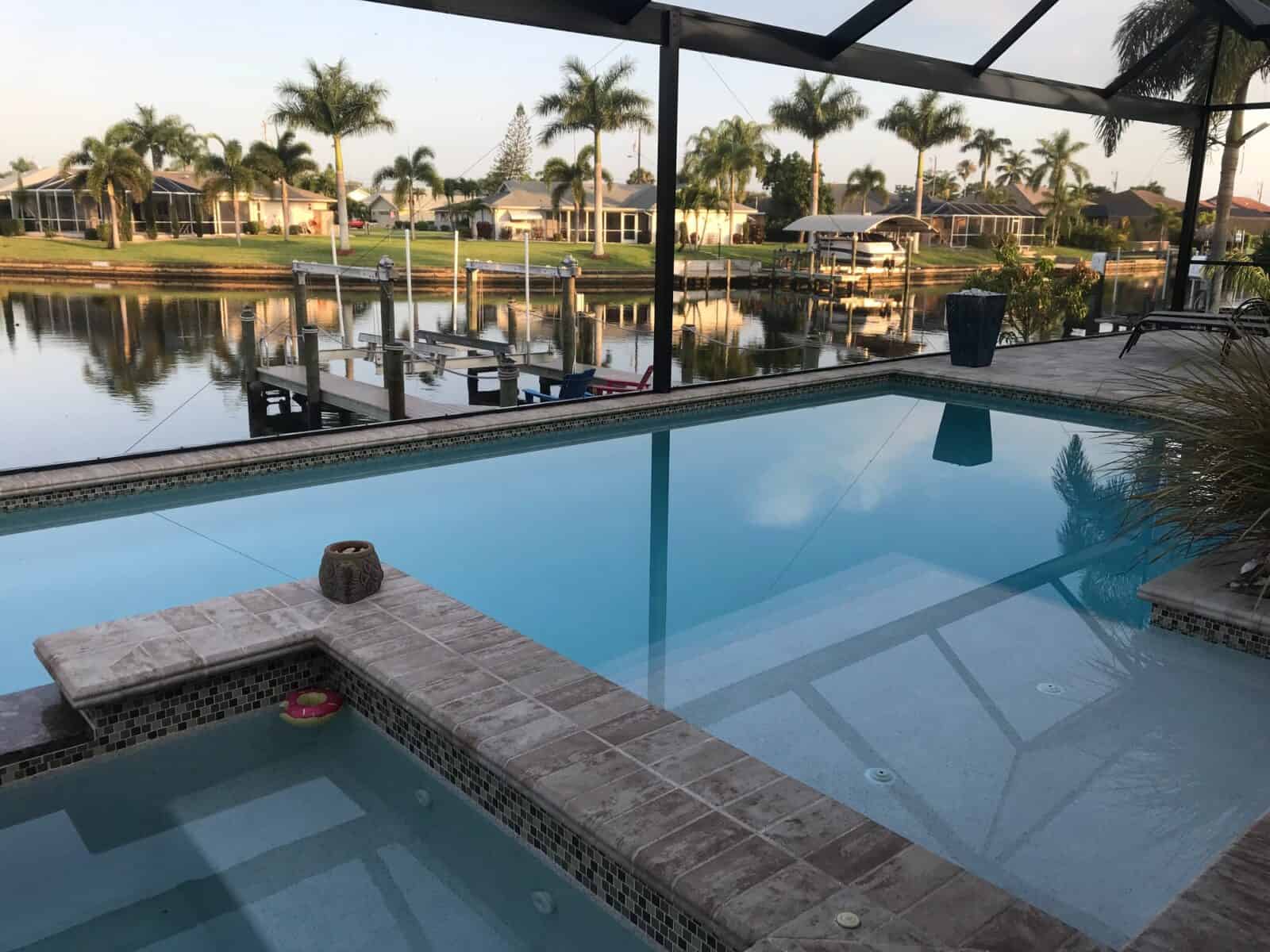
Common Injuries at Florida Vacation Rentals
Florida vacation rentals present distinct safety concerns compared to commercial accommodations. Unlike hotels with professional maintenance staff and standardized safety protocols, vacation rentals often rely on individual owners with limited safety knowledge. Florida's climate is hard on buildings. Sun, humidity, salt air and storms speed up deterioration outdoors, and the damage shows up in places a guest would never think to check.
Slip and Fall Accidents
Slip and fall accidents represent one of the most common injury types at Florida vacation rentals. Wet surfaces around swimming pools, outdoor showers, and entry points can become particularly hazardous when combined with Florida's high humidity and frequent rainstorms.
Poorly maintained walkways, inadequate outdoor lighting, and uneven flooring transitions between rooms present additional hazards. Decorative stone walkways popular in Florida vacation homes can become extremely slippery when exposed to humidity or pool water, creating fall risks that would be unacceptable in commercial accommodations.
Swimming Pool and Water-Related Injuries
Florida's year-round warm climate makes private pools a common feature in vacation rentals, but they also present significant safety risks. A private rental pool has no lifeguard and often no rescue equipment, so supervision falls entirely on the guests.
Florida's Residential Swimming Pool Safety Act asks for less than most people assume. Under Fla. Stat. s. 515.27(1), a residential pool has to have at least one of five safety features to pass final inspection: a barrier meeting s. 515.29, an approved safety pool cover, exit alarms on the doors and windows that open to the pool, self-closing and self-latching devices on those doors, or a certified in-pool alarm. Where a barrier is the feature chosen, s. 515.29 requires it to be at least 4 feet high on the outside, with gates that open away from the pool and are self-closing and self-latching. Those rules came in with ch. 2000-143, so pools finished before October 1, 2000 were never required to retrofit, which is why what you find at an older rental varies so much.
Beyond pools, Florida vacation rentals often feature hot tubs, private docks, and direct beach access points that introduce additional water hazards. Hot tubs may operate at unsafe temperatures or harbor bacteria when improperly maintained. Docks may have rotting boards or insufficient railings, while beach access points might lack proper warnings about rip currents or dangerous marine life.
Structural Hazards and Maintenance Failures
Structural failures at vacation rentals can result in catastrophic injuries. Weathering effects from Florida's harsh climate accelerate the deterioration of outdoor structures like decks, balconies, and staircases. When owners delay maintenance or attempt DIY repairs, these structures may collapse under normal use.
Common examples include deck collapses during family gatherings when weight limits are exceeded on deteriorated structures, staircase failures due to rotted wood or rusted fasteners, and ceiling collapses in bathrooms where persistent humidity has weakened materials over time.
Electrical hazards are particularly concerning in Florida's humid environment. Improperly installed outdoor lighting, pool equipment, or kitchen appliances can create shock risks, especially when combined with water exposure. Fire safety deficiencies, including non-functioning smoke detectors, outdated wiring, or improperly maintained gas appliances, create life-threatening conditions that guests may not discover until an emergency occurs.
Undisclosed Hazards and Security Issues
Vacation rental listings often highlight amenities while minimizing or omitting information about potential hazards. Properties may be located in high-crime areas, adjacent to construction zones, or flood-prone locations without proper disclosure to guests. In Florida, where construction is constant in tourist areas, guests may arrive to find themselves living next to noisy, dust-producing work sites.
Inadequate security measures represent another significant concern at Florida vacation rentals. Unlike hotels with security personnel and controlled access points, many vacation rentals offer only basic locks and minimal security features. When properties are marketed as "luxury" accommodations but lack appropriate security for the neighborhood, guests may become targets for property crime or even violent assaults.
Florida law requires property owners to take reasonable security measures based on foreseeable risks, and failure to provide adequate protection can establish liability when criminal activity results in guest injuries.
Defective Furniture and Appliances
Many vacation rentals contain furniture, appliances, and fixtures that would not meet the durability standards of commercial accommodations. Collapsing beds, unstable chairs, faulty appliances, and improperly secured televisions or wall decorations can cause serious injuries to guests.
These hazards are particularly common in rentals that are furnished inexpensively or where items are subjected to heavy use without regular inspection or replacement. Many hosts never anchor top-heavy furniture to the wall, which is how dressers and bookshelves tip onto small children who climb them.
Understanding Florida Law for Vacation Rental Injuries
Florida premises liability law establishes the foundation for determining responsibility in vacation rental injury cases. While legislation specific to short-term rentals continues to evolve, courts generally apply established premises liability principles when assessing host responsibility.
Host Liability Under Florida Premises Liability Law
A paying guest at a Florida vacation rental is an invitee, the most protected of the three premises liability categories. The host owes two duties: to use reasonable care to keep the property in a reasonably safe condition, including inspecting for hazards, and to warn of dangers the host knows about or should know about that a guest is not likely to spot. That is a duty of reasonable care, not the heightened duty a common carrier owes a passenger.
One statute gets misapplied here constantly. Fla. Stat. s. 768.0755 makes an injured person prove that a business establishment had actual or constructive knowledge of a transitory foreign substance, and it was written for slip and falls on something spilled or tracked onto a business floor. A private host renting out a house is not automatically a business establishment, and a rotted deck board or an unfenced pool is not a transitory foreign substance, so most vacation rental injuries are decided on ordinary negligence and not under s. 768.0755.
Unlike ordinary homeowners, who owe lesser duties to social guests, vacation rental hosts must actively inspect for dangers and can be held liable even for hazards they should have discovered through reasonable inspection. This heightened standard means hosts cannot simply claim they were unaware of dangerous conditions if those conditions would have been revealed through proper maintenance protocols.
The liability picture becomes more complex when multiple parties share responsibility for property management. When a host uses a local property management company, liability may extend to that company based on its contractual duties. Similarly, cleaning services or maintenance contractors may share liability for creating or failing to report hazardous conditions.
Airbnb and VRBO Insurance Policies
Major vacation rental platforms have developed insurance programs to address host liability concerns, with Airbnb's AirCover for Hosts providing up to $1 million in liability coverage for bodily injury claims as of 2023. Similar programs exist through VRBO and other platforms, creating a primary insurance layer for many injury claims.
However, these policies contain significant exclusions and limitations that often surprise hosts and injured guests. Most platform policies exclude coverage for injuries resulting from defects the host knew about but failed to address, intentional acts, shared common areas, or damages the host's homeowners insurance should cover.
Many Florida vacation rental hosts operate without adequate insurance coverage, either because they mistakenly believe platform policies provide comprehensive protection or because they haven't disclosed their rental activities to their homeowners insurance carrier. Standard Florida homeowners policies typically exclude or severely limit coverage for commercial activities, including short-term rentals.
Florida Vacation Rental Regulations
Florida regulates vacation rentals through state laws and local ordinances, creating a patchwork of requirements that vary significantly by location. At the state level, Fla. Stat. s. 509.242(1)(c) classifies a vacation rental as a unit in a condominium or cooperative, or a single-family through four-family house, that is also a transient public lodging establishment. Section 509.241(1) then requires a license from the Division of Hotels and Restaurants, and operating without one is a second-degree misdemeanor. Whether the property was licensed is worth checking early, because an unlicensed rental has skipped the inspections that go with the license.
Local regulations add another layer of complexity, with municipalities like Miami Beach, Fort Lauderdale, and Key West implementing strict rules about rental duration, occupancy limits, and safety requirements. Some coastal communities require additional hurricane protection measures, elevated construction in flood zones, or enhanced pool safety features beyond state requirements.
Hosts operating without required licenses or in violation of local ordinances may face heightened liability as these violations can constitute negligence per se under Florida law.
Steps to Take If Injured at a Florida Vacation Rental
Taking prompt, thorough action after an injury at a Florida vacation rental can significantly impact your medical recovery and your ability to secure fair compensation. The temporary nature of your stay makes preserving evidence particularly critical, as conditions may change once you check out and the property is cleaned for the next guest.
Immediate Actions: Documentation and Medical Care
Document everything about the accident scene before conditions change. Take extensive photos and videos of the hazardous condition that caused your injury, including wide shots showing the context and close-ups detailing specific defects. Capture important safety features that may be missing, such as handrails, pool barriers, or adequate lighting.
Report the incident promptly to both the host and the rental platform through their official channels. For serious injuries, contact local police or emergency services to file an official report, as this third-party documentation provides valuable, unbiased evidence of conditions at the time of injury.
Save all communications, including text messages, emails, and in-app conversations with the host before and after the injury. Collect contact information from any witnesses, including other guests, neighbors, or maintenance personnel who may have observed the conditions.
Florida's deadline to sue for a negligence injury is two years from the date of the injury under Fla. Stat. s. 95.11(5)(a). That two-year period applies to causes of action accruing after March 24, 2023; a claim that accrued before that date still carries the older four-year window. Platform and insurer notice deadlines are far shorter than either one, so report the injury to the host and to the platform the same day if you can.
Navigating Insurance Claims for Vacation Rental Injuries
A vacation rental injury usually has more than one policy sitting behind it. Start by filing claims with both the host's homeowner's insurance and the rental platform's protection program. Be prepared for initial resistance, as homeowner's insurance carriers often deny claims based on business exclusion clauses if the property was used as a short-term rental.
Florida's comparative negligence rule decides how much of a recovery you keep. Under Fla. Stat. s. 768.81(6), which took effect with HB 837 in 2023, a plaintiff found more than 50 percent at fault recovers nothing at all. At 50 percent or less, the award is simply reduced by your own share of the fault.
Insurance adjusters often attempt to shift blame to injured guests by suggesting they were using the property improperly or should have noticed the hazard. When facing these tactics, detailed documentation of the accident scene, witness statements, and evidence of the host's knowledge of the dangerous condition become particularly valuable in establishing that the property owner bears primary responsibility.
Speak To An Attorney About Your Vacation Rental Injury
A vacation rental injury claim turns on three things at once: Florida premises liability law, the licensing rules that apply to short-term rentals, and which of several policies actually responds. When an owner earns money renting out a home and does not keep it safe, Florida law lets an injured guest hold that owner responsible.
If you've been injured at a Florida vacation rental, contact Weinstein Legal Team today for a free, no-obligation consultation to discuss your case. Our experienced personal injury attorneys will evaluate your situation, explain your legal options, and develop a strategy to pursue fair compensation for your injuries. Call us at 888.626.1108 to speak to an attorney now, or click here to schedule your free case review online.