


- Dash cam footage is generally admissible in Florida personal injury lawsuits provided it is properly authenticated, timestamped, and meets the standards of the Florida Evidence Code.
- To prevent evidence suppression, drivers must ensure their devices do not violate Florida windshield obstruction laws or record private audio without the consent required by Florida’s wiretapping statutes.
- Dash cam recordings are vital for navigating Florida’s modified comparative negligence rule, as they provide objective proof that a plaintiff is 50% or less at fault for an accident.
- Securely preserving dash cam evidence immediately after a collision is necessary to identify hit-and-run drivers and defend against fraudulent insurance claims such as staged accidents.
Dash cams are becoming an increasingly common tool for Florida drivers to protect themselves while on Florida's highways. They serve as silent witnesses, recording every detail of a drive without bias or fatigue. This visual record often provides the objective truth in cases where memories might fade or stories conflict.
While dash cam footage is generally admissible in Florida personal injury lawsuits, there's more to it than just handing over a device. Specific legal hurdles and evidentiary standards must be met to ensure the video works effectively in a claim. Understanding the mechanics of these systems is the first step toward building a robust personal injury claim.
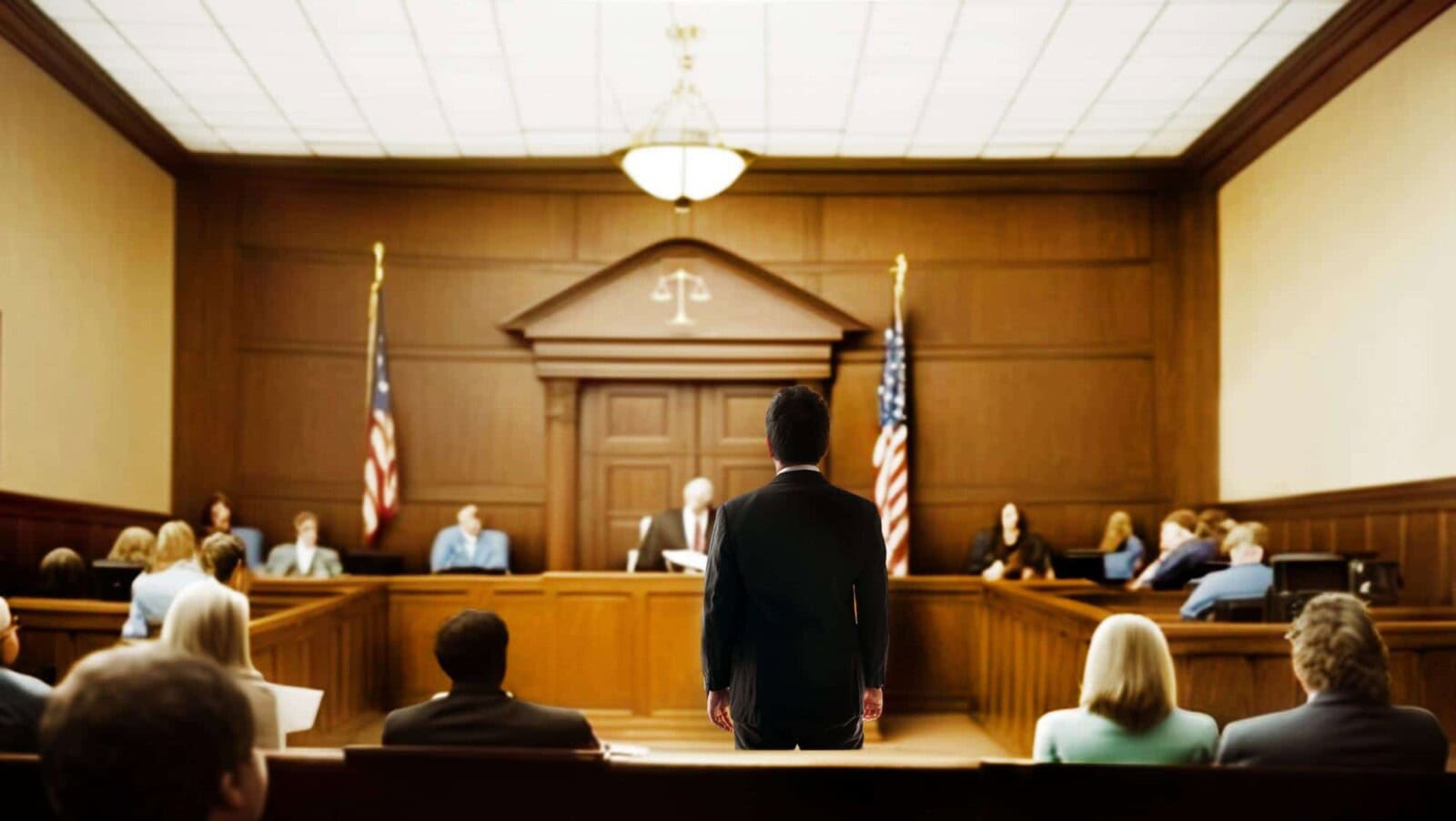
Understanding the Admissibility of Video Evidence in Florida
The Florida judicial system views digital video evidence as a high-definition evidentiary record in civil cases. It provides a level of clarity that verbal testimony rarely matches. However, the court doesn't automatically accept every recording a driver brings forward.
The Florida Evidence Code and Digital Media
The Florida Evidence Code outlines the specific rules for introducing digital media and photographic evidence. Dash cam recordings are typically classified as photographic evidence under these guidelines. To be considered valid, the footage must be timestamped, unaltered, and verifiable.
The Best Evidence Rule is a standard that applies to these digital files. This rule generally requires that the original recording be presented, rather than a copy or a screen recording. Using the original file helps prove that the footage hasn't been edited or tampered with before reaching the courtroom.
For a video to be accepted, it must be a fair and accurate representation of the events. This standard requires that the technical quality be high enough to distinguish the details of the accident clearly. It also requires that the sequence of events shown matches the physical evidence found at the scene.
Properly authenticated dash cam footage in car accident claim proceedings provides a level of certainty that eyewitnesses cannot match. Attorneys look for clear frames that show the orientation of vehicles at the exact moment of impact. This visual clarity helps resolve many technical questions regarding lane position and signaling.
Authentication and the Role of the Witness
Authentication is a mandatory step before any video can be entered into the record. Usually, a witness, such as the driver or owner of the dash cam, must testify. They have to state that they recognize the scene and that the video accurately reflects what happened.
If the person who recorded the footage isn't available, the silent witness theory may be used. This allows the footage to speak for itself if the technical metadata proves its reliability. Digital metadata demonstrates recording reliability by providing hidden layers of information, such as internal clock stamps.
Proving the device's technical integrity becomes the focus when using this theory. A lawyer may need to show that the camera was functioning properly and that the storage media was secure. Providing this technical foundation assures the court that the video has not been fabricated or altered using software.
Verification of the video often involves comparing it with the official police car accident report. If the footage confirms the officer's initial observations, its credibility increases. Courts are much more likely to accept footage that aligns with the established physical facts of the crash.
Are Dash Cams Legal to Use in Florida?
Operating a dash cam is legal in Florida, and many drivers use them for added security. There are no laws that prevent a person from recording their surroundings while driving on public roads. Recording public road activity offers a vital layer of protection for accident victims during legal disputes.
Windshield Obstruction Laws and Mounting Regulations
Florida Statute 316.2004 regulates windshield obstruction to ensure driver safety. It's illegal to place any non-transparent material in a way that obstructs the driver's clear view of the road. If a dash cam blocks the driver's field of vision, the driver could receive a citation for this violation.
To avoid legal issues, drivers should position the dash cam behind the rearview mirror. Another option is to use a dashboard-mounted camera instead of attaching it to the windshield. The camera must not block any mirrors, controls, or driver-assistance systems necessary for safe driving.
If a dash cam is placed improperly, an insurance company might use that fact as a defense. They could argue that the camera itself contributed to the accident by creating a blind spot. Proper mounting ensures that the device remains a helpful tool rather than a liability during a personal injury lawsuit.
Audio Recording and Florida's Wiretapping Statutes
Florida is a two-party consent state under Florida Statute 934.03. This means it's generally illegal to record private oral communications without the consent of everyone involved. While recording video on a public road is legal, the audio inside the car is a different matter.
Recording passengers without their knowledge could lead to the evidence being suppressed in court. It might also lead to criminal charges if the recording is made with criminal intent. Even violations occurring without criminal intent can result in a first-degree misdemeanor, which carries potential jail time and fines.
To legally record audio, drivers should provide a clear notice to anyone entering the vehicle. Consent can be obtained through verbal notifications or by placing visible stickers on the windows. If the passengers continue the conversation after being notified, their consent is often implied.
Many dash cam users choose to disable the microphone feature entirely to avoid these legal risks. Since the video usually provides the most important evidence for the crash, the audio might not be worth the risk. A driver should decide whether capturing cabin sound is worth the risk of a third-degree felony charge if criminal intent is alleged.
How Dash Cam Footage Proves Liability in Car Accident Claims
Dash cam footage provides an objective account of an accident that can override conflicting testimonies. In many cases, drivers have different memories of how a collision occurred. Video evidence steps in as a neutral party to show exactly what happened leading up to the impact.
Identifying Traffic Law Violations
Dash cam footage can capture specific violations, such as running red lights or failing to yield. It's also effective at documenting illegal lane changes and aggressive driving behaviors. When these actions are caught on camera, it becomes much harder for the at-fault driver to deny their mistakes.
Attorneys often use timestamped footage to calculate vehicle speeds and distances. Conducting this technical analysis provides a significant advantage during settlement negotiations. Insurance adjusters are often more willing to settle quickly when they know the plaintiff is using dash cam footage of an accident to prove the at-fault driver's actions.
Cameras with GPS overlays are particularly useful because they embed speed and location data directly into the frame. Accident reconstruction experts can use this data to determine reaction times. It creates a detailed timeline showing exactly when a driver began braking or swerving.
Evidence of a distracted driving accident is also much easier to prove with video. If a driver is seen looking down at their lap before a crash, it strongly implies cell phone use. This visual proof removes the guesswork from determining the primary cause of a collision.
Establishing Fault in Multi-Vehicle Pileups
Multi-vehicle accidents are often complex and difficult to untangle without visual proof. Dash cams help identify which driver initiated the first impact in a pileup. This first collision is often the most contested part of a multi-car insurance claim.
Video can show whether a driver was pushed into another vehicle or failed to stop in time. Rear-facing dash cams are especially useful in these scenarios because they capture impacts from behind. Having both front and rear perspectives provides a comprehensive view of the entire sequence of events.
Insurance companies often try to shift blame to multiple parties in a large crash. Dash cam footage helps prevent a driver from being unfairly blamed for a chain reaction they didn't start. It protects victims from losing their right to compensation due to confusion about the crash's origin.
Verifying Weather and Road Conditions at the Time of Impact
Environmental factors such as heavy rain, fog, or poor road maintenance often contribute to accidents in Florida. Dash cam footage provides a permanent record of these conditions exactly as they were at the time of the crash. This prevents the opposing side from claiming that the weather was better than it actually was.
Clear visibility on a dash cam can disprove claims that an accident was unavoidable due to the weather. If the video shows that other drivers were managing the conditions safely, it highlights the at-fault party's negligence. It serves as proof that the driver failed to adjust their behavior to the environment.
This evidence also documents issues with the road itself, such as deep potholes or obscured traffic signs. If a municipality or construction company is at fault for poor road conditions, the video can support a claim against them. It captures the context that a still photograph might miss after the scene has been cleared.
The Impact of Dash Cam Video on Florida's Modified Comparative Negligence Rule
Florida recently shifted to a modified comparative negligence system, which changes how much a person can recover after an accident. Under this rule, if a plaintiff is found to be more than 50% at fault, they're barred from recovering any damages. This shift in legal standards makes dash cam footage a critical asset for protecting a victim's recovery.
The footage can establish that a plaintiff's fault was 50% or less, thereby preserving their right to compensation. Without clear video evidence, insurance adjusters might assign a higher percentage of fault based on assumptions. Seeing the actual movement of the vehicles provides a more accurate picture of responsibility for car accident injury victims.
Insurance adjusters use video to assign specific percentage points of fault to each driver involved. A lawyer uses that same footage to argue for a lower percentage for their client. By breaking down the video frame by frame, an attorney can show that their client took reasonable steps to avoid the crash.
This detailed frame-by-frame examination of the footage can lead to a more favorable settlement. If the video shows the other driver was clearly more negligent, the plaintiff's recovery remains intact. In a state where one percent can make the difference between a payout and a total loss, every frame counts.
What Happens If Your Own Dash Cam Footage Shows You Were at Fault?
Dash cams can be a double-edged sword if the footage shows you were partly responsible for the crash. If you have a dash cam, you cannot simply delete footage that makes you look bad. Doing so could constitute evidence tampering or spoliation, which has serious legal consequences.
Honesty and transparency with your own legal counsel are mandatory when you have recorded evidence. Your lawyer needs to see the full context of the accident to build the best defense for you. Deleting evidence often results in a far worse outcome than the footage itself would have caused.
Even if the footage shows some fault, a skilled attorney can still use it to mitigate the impact. Under Florida's comparative negligence laws, you may still be able to recover damages if your fault is 50% or less. The video can be used to show that while you made a mistake, the other driver was more negligent.
A lawyer can frame the evidence to highlight the other driver's primary responsibility. They can use the video to argue for a lower percentage of fault, which saves your right to compensation. Being upfront about what the camera captured allows your team to prepare for any arguments the defense might make.
Identifying and Preventing Insurance Fraud with Dash Cams
Insurance fraud is a persistent problem on Florida roads, often targeting unsuspecting drivers. Dash cams serve as a reliable defense against staged accidents and fraudulent injury claims. Having a visual record makes it nearly impossible for scammers to succeed with their deceptions.
Protecting Against Staged Accidents
One common fraud tactic is the brake-checking scam, where a driver suddenly slams on their brakes to force a rear-end collision. Without a dash cam, the driver in the back is almost always presumed to be at fault. Video evidence proves that the stop was intentional and malicious rather than a reaction to a traffic hazard.
Swoop-and-squat scams are another danger in which two cars work together to trap a victim. One car swoops in front of the other, causing the second car to stop suddenly in front of you. Dash cam footage captures the coordinated movement of both vehicles, exposing the organized nature of the fraud.
Fake pedestrian accidents are also a major concern in urban areas like Fort Lauderdale. In these cases, a person may jump in front of a slow-moving car or claim they were hit while the car was stopped. A dash cam provides definitive proof that no contact occurred or that the pedestrian acted intentionally.
Insurance companies often deny claims entirely when they see clear proof of fraud. This protects your driving record and prevents your insurance premiums from skyrocketing after a fake accident. Your camera acts as a permanent shield against those who try to exploit the legal system for profit.
How Dash Cams Assist in Hit-and-Run Investigations
A hit-and-run accident can leave a victim feeling helpless and without a source for recovery. Dash cams are the most effective tool for identifying fleeing drivers and bringing them to justice. The information captured in the seconds following a crash is often the only way to track down a suspect.
Capturing Identifying Vehicle Information
High-resolution dash cams can capture license plate numbers even at high speeds or in low light. This information is the primary data point used by Florida law enforcement agencies to find hit-and-run drivers. Even if the full plate isn't clear, the video can show the vehicle's make, model, and color.
Dash cams also provide a timestamped location that helps police cross-reference other traffic cameras in the area. This creates a digital trail that shows the fleeing driver's direction of travel after the collision. This objective data is much more reliable than a shaken victim's memory of the event.
Having proof of the hit-and-run driver's identity also opens up additional avenues for compensation. It allows you to file a claim under their insurance policy rather than relying solely on your own uninsured motorist coverage. Identifying the at-fault party is a necessary step for holding them accountable for their criminal actions.
Many modern cameras feature a parking mode that continues to record while your car is unattended. If someone hits your car in a parking lot and leaves, the camera can capture the event. This ensures that you aren't left paying for repairs caused by a nameless driver's negligence.
How to Preserve Dash Cam Evidence After a Collision
Digital evidence is volatile and can be lost quickly if the driver doesn't act fast. Most dash cams use loop recording, which means they overwrite the oldest files once the storage limit is reached. If the footage isn't saved immediately, it could be gone forever.
Immediate Steps to Prevent Data Overwriting
A driver should power down their dash cam immediately after a crash to stop the recording. The next step is to remove the SD card from the device. This ensures that no new data can be written over the accident footage.
The SD card should be placed in a safe location away from heat or magnetic sources. Simply locking a file on the device isn't always a sufficient long-term strategy. Physical removal is the most reliable way to prevent accidental deletion or hardware failure.
Many dash cams have G-sensors that automatically save footage when they detect an impact. You should check your device's settings to ensure this feature is active and tested before you drive. Even with a G-sensor, it's still safer to manually remove the card to be certain the data is protected.
Taking this simple step can preserve the most important piece of evidence in a personal injury case. A recent study found that using dash cam footage of an accident reduces disputes in car accident claims by nearly 60 percent. Taking the time to secure the SD card preserves your ability to prove the truth.
Storing Footage on Cloud Services vs. Physical SD Cards
Creating multiple backups of the footage is a necessary step for any car accident claim. Drivers should upload the files to a secure cloud service and save them on an external hard drive. Having several copies ensures that a single hardware failure doesn't destroy the case.
An original copy of the dash cam footage is required for the authentication process. It's important to keep the original SD card in its raw state without making any edits. This helps prove to the court that the video is a genuine record of the event.
While cloud storage is convenient for sharing, the physical card often holds the highest quality version of the file. Keeping the card in a secure place maintains the chain of custody. It shows that the evidence hasn't been altered since the moment it was recorded.
If you use a high-resolution camera, the files may be quite large. Cloud services allow you to share these files with your attorney without losing quality. Storing data in multiple formats provides a redundant safety net for your legal claim.
Obtaining Dash Cam Footage from Other Drivers and Third Parties
Even if you don't have a dash cam, footage of your accident might still exist on another device. Other drivers or commercial vehicles in the area may have captured the entire event. There are legal avenues available for obtaining this footage if the owner doesn't share it voluntarily.
Requesting Footage from the At-Fault Driver
The driver who caused the accident might have their own dash cam that recorded their mistakes. An attorney can send a spoliation letter to warn the other driver not to delete their footage. This letter creates a legal obligation for the defendant to preserve the evidence.
If the defendant fails to preserve the footage after receiving this letter, the defendant may be subject to adverse inference instructions. This means the court may tell the jury to assume that the deleted footage would have been harmful to the defendant. This legal penalty is a powerful way to ensure that the opposing party doesn't hide evidence.
Obtaining this footage through the discovery process is a standard part of many lawsuits. It can reveal what the other driver was doing inside the cabin, such as texting or looking away from the road. Hiring a car accident lawyer is the best way to ensure the rules of evidence are followed and the dash cam footage is recovered.
A lawyer knows how to draft these formal letters to be legally binding. They can also follow up with motions to compel if the driver refuses to hand over the device. This professional pressure is often what forces the truth to come out during a dispute.
Subpoenaing Footage from Commercial Vehicles and Rideshares
Commercial trucks and rideshare vehicles like Uber or Lyft often have advanced multi-angle cameras. These systems record more than just video, such as braking force and GPS location data. This telematics data provides a high-tech view of how the vehicle was being operated.
An attorney must move quickly to subpoena this data because many companies have strict retention policies. Once the data is deleted according to their schedule, it's nearly impossible to recover. These companies often use sophisticated software that can provide a frame-by-frame breakdown of the crash.
The data from these commercial systems can show whether a truck driver was speeding or ignored safety warnings. It's a reliable source of information that is difficult for a company to dispute. Having this data can be a game-changer in a complex truck accident case.
Attorneys often work with digital forensics experts to analyze this telematics data. They can sync the video footage with the vehicle's internal computer records. This combined evidence provides a comprehensive look at the driver's actions and the vehicle's performance.
Accessing Footage from Public Transport and Government Vehicles
City buses and police vehicles also carry cameras that might capture nearby accidents. Obtaining this footage involves navigating the bureaucracy of public records requests. It's a specialized process that often requires legal intervention to be successful.
Government entities often have very short retention windows for their video data. In some cases, the footage is retained for only 7 to 30 days before being deleted. This makes it necessary for victims to hire a lawyer who can file the necessary requests immediately.
Public transport footage provides a high-vantage perspective that can show the entire intersection. This view helps identify who had the right of way or if a light had changed. Attorneys often use a Freedom of Information Act request to gain access to these files. They understand the specific language needed to ensure the request is not denied on a technicality. Acting quickly ensures that this high-value perspective is preserved for your case.
Potential Challenges and Defenses Against Dash Cam Evidence
Dash cam footage isn't always a simple win for a personal injury case. Defense attorneys and insurance companies often try to challenge the video's validity. They may argue about the context or the quality of the recording to cast doubt on its accuracy.
Authenticity and Chain of Custody Issues
A defense attorney might argue that a video has been edited or tampered with before reaching court. This is why maintaining a clean chain of custody is so important. You must document everyone who has had access to the footage since the accident.
To avoid these claims, the footage should be transferred directly from the device to a secure storage medium. Any edits or alterations to the recording may result in the entire video being thrown out. Keeping a log of when the data was copied and where it was stored helps prove its authenticity.
If the chain of custody is broken, the court may question the reliability of the evidence. An attorney will work to ensure that the digital trail is clear and defensible. This level of care prevents the defense from using technicalities to hide the truth about the accident.
Maintaining a proper chain of custody means transferring the footage directly from the device to an appropriate storage medium and avoiding edits or alterations to the recording. Demonstrating professional handling proves to the court that the evidence remains in its original, genuine state. It removes the opportunity for the defense to suggest the video was manipulated.
The Hearsay Objection to Video Metadata
There's a complex legal argument regarding whether video metadata, such as GPS speed data, constitutes hearsay. Hearsay is an out-of-court statement offered to prove the truth of the matter asserted. While the video itself is usually admissible, the metadata displayed on the screen may be subject to different evidentiary rules.
An accident reconstruction expert may be needed to verify the accuracy of the camera's internal data. They can compare the metadata against physical evidence to confirm that the recorded speed is correct. This expert testimony helps the data overcome hearsay objections in the courtroom.
Without an expert, the defense might argue that the camera's GPS wasn't calibrated properly. They can use minor technical errors to suggest that the entire recording is unreliable. A lawyer knows how to bring in the right experts to vouch for the technology's precision.
Expert testimony is often the only way to get this technical data entered into the record. The expert can explain the physics behind the speed calculations to a jury. This bridge between technology and law is a mandatory part of high-stakes litigation.
Incomplete Perspectives and Blind Spots
Dash cams have a limited field of view that usually focuses only on what is directly in front of the car. This physical limitation can create a 'tunnel vision' effect that may fail to capture the full context of the collision. A defense attorney might argue that the video is misleading because it misses actions occurring to the side.
If a car swerves into your lane from a blind spot, a front-facing camera might only show the impact. The defense can claim that your own actions before the collision were the true cause. They use the lack of peripheral context to cast doubt on your version of events.
This is why dash cam footage is just one piece of the evidentiary puzzle. It should be used alongside witness statements, police reports, and physical evidence from the road. Having multiple camera angles can help close these gaps and provide a more complete view of the surroundings.
An attorney can help you find other sources of evidence to fill in these blind spots. They may look for evidence for your car accident claim that the camera missed. Combining video with other proof creates a much stronger and more undeniable case.
Sharing Your Dash Cam Footage with a Personal Injury Attorney
Once you've secured your dash cam footage, the first person you should share it with is your lawyer. They have the experience to review the video and determine how it fits into your legal strategy. It's important to keep the original copy safe and only share copies with others when necessary.
A professional review helps identify details in the video that you might have missed in the heat of the moment. Your attorney can also help you avoid mistakes that could compromise the evidence. A Fort Lauderdale attorney for disputed liability claims knows how to present this footage to maximize your recovery.
Why You Should Not Post Your Footage on Social Media
It's tempting to post footage of accidents on platforms like YouTube or Facebook, but this is a mistake. Defense attorneys can use your social media posts and the resulting comments against you. They might claim that your public statements contradict the official evidence in your case.
A viral video can also tank a settlement negotiation by creating unwanted publicity. Insurance companies might use the post to paint you in a negative light or claim you're seeking attention. Keeping the evidence out of the public eye ensures that it remains a serious legal tool.
The metadata on social media platforms can also strip important information from your video files. This can make it harder to authenticate the footage later in court. It's best to keep your evidence private and let your legal team handle the distribution to the relevant parties.
Defense lawyers will scour your digital history to find anything that undermines your claim. If you post a video and later claim significant emotional distress, they will point to your social media activity as a contradiction. Protecting your privacy is one of the most important steps in the legal process.
Secure Methods for Transferring Large Video Files
High-resolution video files are often too large to send via standard email. Emailing files often compresses them, which reduces the quality and can hide important details. It's better to use secure file-sharing portals that are designed for large data transfers.
Physically delivering a copy of the SD card to your attorney's office is another reliable method. This ensures that the original quality is maintained throughout the transfer. Your lawyer will likely have a secure system for storing and managing these digital files.
Using these secure methods prevents the data from being intercepted or corrupted. It also helps maintain the chain of custody by providing a record of the transfer. Taking these extra steps shows the court that you are handling the evidence with the necessary care.
Video evidence is quickly becoming a cornerstone of car accident claims because it captures details that human witnesses might miss. Ensuring that this evidence is delivered in high resolution maintains its value during the litigation process.
Protect Your Rights with Expert Legal Review of Your Dash Cam Evidence
Dash cam footage serves as an objective witness in Florida's modified comparative negligence system. While video evidence is a powerful tool that can prove liability and reduce disputes, it must be handled with extreme care. From mounting regulations to data preservation, every step you take affects the strength of your claim.
The technical hurdles of admissibility and authentication require professional legal guidance to overcome. You shouldn't risk your financial recovery by trying to navigate these complex evidence laws alone. Our legal expertise ensures your data is protected and effectively used to hold the at-fault driver accountable for your losses.
Contact us at 888.626.1108 to speak to a lawyer 24/7, or click here to schedule a case review with an experienced accident lawyer at Weinstein Legal Team. We're committed to fighting for your rights and ensuring that every piece of evidence works in your favor.