
A pre-existing condition is any medical problem you had before the accident: a chronic illness, an old injury, or a mental health diagnosis. Having one does not bar a Florida injury claim. Under the eggshell plaintiff rule, a defendant who makes an existing condition worse is answerable for that worsening.
What a pre-existing condition does change is the argument. Insurers and defense lawyers will comb your medical history and try to attribute your current symptoms to the condition you already had rather than to the crash. Below is how Florida law handles that argument and what evidence answers it.
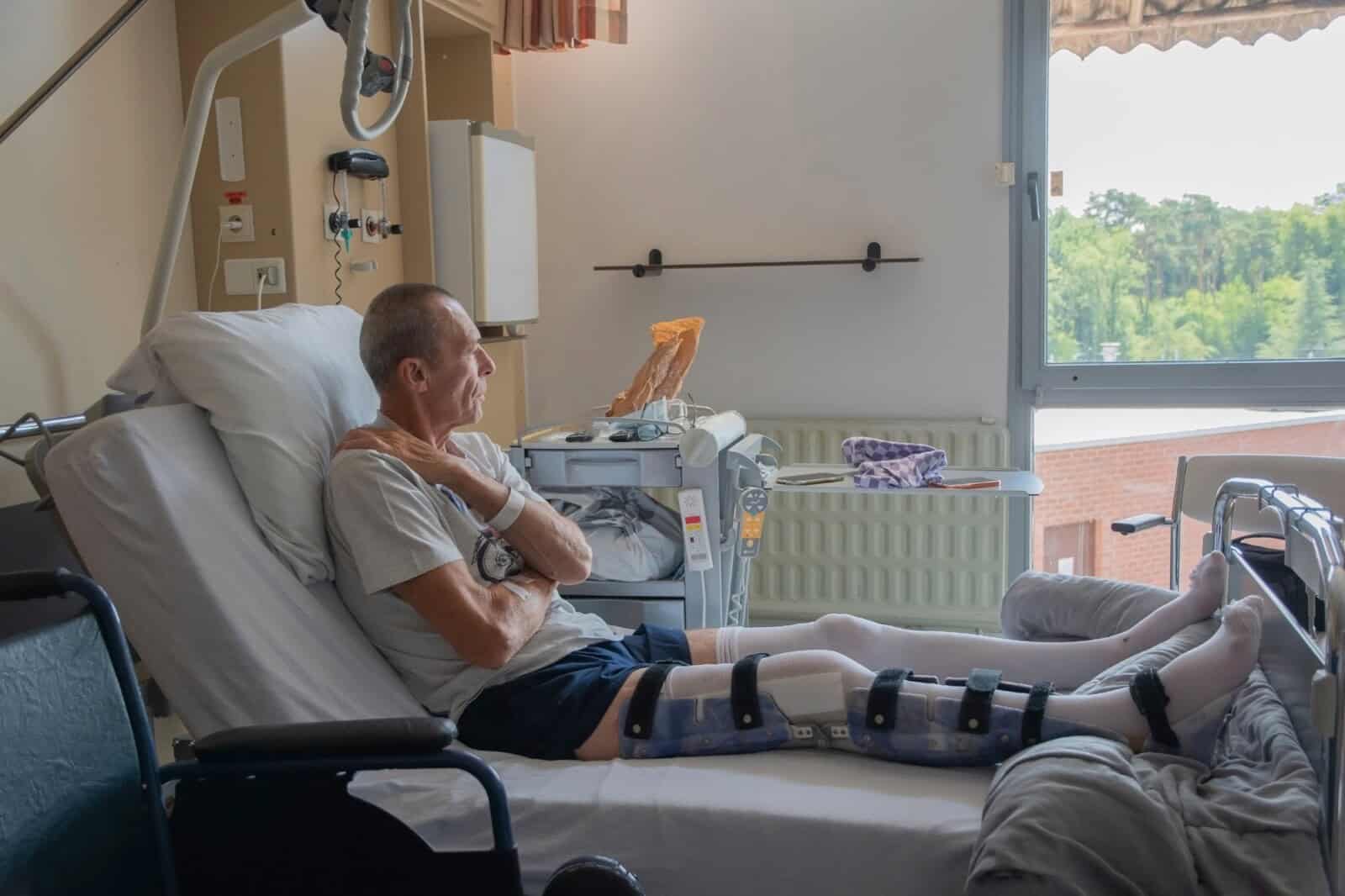
Understanding Pre-Existing Conditions in Legal Context
A pre-existing condition changes what each side has to prove about damages. The defense will try to assign your symptoms to the condition you already had. You have to show what the accident added: a new injury, or a measurable worsening of the old one. That comparison, before and after, is the whole fight in these cases.
Types of Pre-Existing Conditions
Chronic Medical Conditions
Chronic medical conditions are long-term health issues that persist over time and often require ongoing management. These conditions can significantly complicate accident claims due to their potential interaction with new injuries.
For example, a person with diabetes who suffers a leg injury in a car accident may experience slower healing and a higher risk of complications. Similarly, an individual with chronic back pain might find it challenging to distinguish between their pre-existing discomfort and new pain resulting from an accident.
Previous Injuries
Prior injuries can substantially impact a claim, particularly those affecting the same body part involved in a new accident. The concept of aggravation of pre-existing injuries is often central to these cases.
Consider a person who had previously undergone knee surgery and then suffered a new knee injury in a slip-and-fall accident. The defense might argue that the current pain and limitations are primarily due to the pre-existing condition rather than the recent accident. Conversely, the plaintiff's legal team must demonstrate how the accident exacerbated the pre-existing injury.
Mental Health Conditions
Pre-existing mental health conditions, such as anxiety, depression, or post-traumatic stress disorder (PTSD), can also be aggravated by an accident and become part of the claim. These conditions can be particularly challenging to address in legal proceedings due to their often invisible nature and the difficulty in quantifying their impact.
An accident victim with pre-existing anxiety might experience a significant worsening of their symptoms following a traumatic event like a car crash. Proving that the accident directly aggravated the pre-existing mental health condition often requires detailed psychological evaluations and expert testimony.
Florida's Comparative Negligence Laws
As of March 2023, Florida operates under a modified comparative negligence system, which allows for a more nuanced approach to assigning fault in accident cases. Under this system, each party involved in an accident can be assigned a percentage of fault based on their actions or inactions that contributed to the incident.
Under Florida Statute 768.81(6), a party found greater than 50 percent at fault for their own harm recovers nothing. At 50 percent or below, the plaintiff still recovers, but the award is cut by their own percentage of fault. For example, if a plaintiff is found to be 30% at fault for an accident, they can still recover 70% of the total damages awarded.
How Pre-Existing Conditions Factor into Comparative Negligence
Pre-existing conditions add another layer of complexity to applying comparative negligence laws. When a plaintiff has a preexisting condition, the defense may argue that it contributed to the accident or the resulting injuries, potentially increasing the plaintiff's percentage of fault.
The concept of apportionment of damages comes into play here. This involves determining what portion of the plaintiff's current condition is attributable to the accident and what portion is due to pre-existing issues. For example, if a person with a pre-existing back condition is involved in a car accident, the court might need to determine how much of their current pain and disability is due to the accident versus their pre-existing condition.
Having a pre-existing condition does not automatically increase a plaintiff's fault percentage. The key is demonstrating how the accident aggravated or exacerbated the pre-existing condition, leading to additional suffering or disability that wouldn't have occurred without the accident.
The Eggshell Plaintiff Rule in Florida
The Eggshell Plaintiff Rule is a legal doctrine that provides important protections for accident victims with pre-existing conditions. This rule states that defendants must take the plaintiff as they find them, regardless of pre-existing conditions or vulnerabilities.
In Florida, the eggshell plaintiff rule means that if an accident aggravates a pre-existing condition, the defendant is liable for the full harm the accident caused, including the worsening, even though a person without that condition would have walked away with less. This rule prevents defendants from arguing that they should not be responsible for the full extent of injuries simply because the plaintiff was more susceptible to harm due to their pre-existing condition.
For example, consider a case where a person with brittle bone disease is involved in a minor car accident. While the accident might cause only minor injuries to an average person, it could result in multiple fractures for a person with brittle bone disease. Under the Eggshell Plaintiff Rule, the defendant would be liable for all the fractures, even though the accident was minor and the extensive injuries were due to the plaintiff's pre-existing condition.
Disclosure of Medical History in Accident Claims
When filing an accident claim, plaintiffs must disclose their complete medical history, including any pre-existing conditions. This transparency is ethical and strategically important for the strength of the case.
Plaintiffs should be prepared to provide medical records dating back several years before the accident. This typically includes:
- Primary care physician records
- Specialist consultation notes
- Hospital admission and discharge summaries
- Diagnostic test results (X-rays, MRIs, CT scans, etc.)
- Prescription medication history
- Physical therapy or rehabilitation records
Florida gives you two years to file a negligence suit under Florida Statute 95.11(5)(a), for causes of action accruing after March 24, 2023. That deadline is separate from how far back your records should go: five years before the accident is a common starting point, and further back if a long-term condition is relevant.
Failing to disclose pre-existing conditions can have severe consequences. If it is discovered that a plaintiff withheld information about their medical history, it can significantly damage their credibility and potentially lead to the dismissal of their claim. Insurance companies and defense attorneys are likely to investigate a plaintiff's medical background thoroughly, and any inconsistencies or omissions can be used to challenge the validity of the claim.
Proving Causation and Aggravation of Injuries
Medical records are the evidence these claims turn on. Records from before the accident set the baseline, records from after it show what changed, and the gap between the two is what a jury is asked to compensate.
Before-and-after medical records clearly show how the accident has impacted the plaintiff's health. These records should include detailed descriptions of symptoms, treatment plans, and any changes in medication or therapy. Diagnostic imaging, such as X-rays, MRIs, or CT scans, can provide visual evidence of physical changes or new injuries.
Expert Medical Testimony
Expert medical witnesses carry the causation argument in cases involving pre-existing conditions. They give professional opinions on how the accident aggravated or exacerbated those conditions.
Medical experts can explain complex medical concepts to the court, clarifying the relationship between the pre-existing condition and the new injuries. They can also provide insights into the expected progression of the pre-existing condition and how the accident may have altered this trajectory.
Impact on Settlement Negotiations
Pre-existing conditions can significantly influence settlement negotiations in accident claims. Insurance companies often use these conditions as leverage to reduce payouts, arguing that the plaintiff's current state is largely due to their pre-existing issues rather than the accident.
One common strategy insurance companies employ is requesting extensive medical records, sometimes dating back several years before the accident. They may use this information to argue that the plaintiff's current symptoms are a natural progression of their pre-existing condition rather than a result of the accident.
There is no published Florida data putting a number on how much a pre-existing condition moves a settlement amount, so treat any percentage you see quoted online as unsourced. What we do see in practice is a lower opening offer once the file shows prior treatment to the same body part, and offers that move when the before-and-after records are put in front of the adjuster.
To counter these tactics, accident victims with pre-existing conditions should be prepared to provide clear evidence of how their condition has worsened since the accident. This might include comparative medical reports, testimony from treating physicians, and documentation of increased medical expenses or lost wages.
Legal Strategies for Accident Victims with Pre-Existing Conditions
Accident victims with pre-existing conditions can take several proactive steps to strengthen their legal position. Here are some key strategies:
Gathering Medical Evidence
Immediately after the accident, seek medical attention and ensure all injuries are thoroughly documented. Keep a detailed record of all medical appointments, treatments, and how the injuries affect daily life. Obtain copies of all medical records, including those from before the accident, to provide a clear before-and-after picture.
Working with Medical Experts
Collaborate with treating physicians to document how the accident has affected the pre-existing condition. Consider consulting with medical specialists who can provide expert opinions on the accident's impact on the specific pre-existing condition.
Documenting Changes in Quality of Life
Keep a journal detailing how the injuries have affected daily activities, work performance, and overall quality of life. This personal account can be powerful evidence in demonstrating the real-world impact of the aggravated condition.
Timely Filing of Claims
Be aware of Florida's statute of limitations for personal injury cases, which is generally two years from the date of the accident. However, starting the legal process as soon as possible is advisable to ensure all evidence is preserved and witnesses' memories are fresh.
Importance of Timing in Filing Claims
Timing matters more than usual when a pre-existing condition is in the file. Florida Statute 95.11(5)(a) gives you two years from the date of the accident to sue, but the practical deadline is earlier: the longer you wait, the harder it is to show that the change in your condition dates from the crash rather than from the years since.
It's advisable to consult with an attorney as soon as possible after an accident. This allows for timely evidence collection, proper documentation of the aggravation of pre-existing conditions, and strategic planning of the case before filing the claim.
Speak to a Florida Accident Attorney About Your Case
The interplay between pre-existing conditions and new injuries can significantly impact the outcome of a case, making it even more important to engage an experienced personal injury attorney after an accident. Don't let the complexity of your case deter you from seeking the compensation you deserve.
Our attorneys take calls 24/7 and can tell you how your medical history is likely to be used against you and what records will answer it. Call Weinstein Legal Team now at 888.626.1108 to start a free case review with an attorney, or click here to schedule your case review online.