

Restaurants and bars serve as public gathering places, and with that comes a fundamental legal and ethical responsibility to ensure the safety of everyone on the premises. This duty extends beyond maintaining a physically safe environment, like clean floors and functional equipment, to protecting patrons from harm caused by other customers. When third-party actions lead to injury, determining liability often involves complex aspects of Florida premises liability law.
Understanding your rights when injured by another patron is important for seeking justice and compensation in places like Fort Lauderdale or Miami. This guide explores the concepts of duty of care, how negligence applies in these specific situations, different types of threats, and practical steps you should take if you are harmed. Keep reading to learn more about a restaurant's responsibility for third-party threats.
Understanding a Restaurant's Duty of Care to Patrons
Every business that invites the public onto its property has a legal obligation to exercise reasonable care for its customers' safety. This fundamental principle is known as the duty of care and is the foundation for almost all personal injury claims against commercial establishments. A restaurant's duty of care dictates the minimum standard of safety it must uphold to protect patrons from undue harm while they're on the property.
What is a Duty of Care?
The legal concept of duty of care falls squarely within the framework of premises liability law. This duty requires businesses to take reasonable steps to ensure a safe environment for all customers and guests. These reasonable steps include regularly inspecting the premises, fixing known hazards, and warning guests about dangers that aren't readily apparent.
For restaurants, the duty of care also means anticipating and guarding against risks that might arise from the conduct of other people on the property. Failing to uphold this standard of care can expose the business to liability if a patron is injured as a direct result. The specific scope of this duty can vary by business type and location.
Foreseeability and Its Role in Restaurant Negligence
The role of foreseeability helps determine if a restaurant is responsible for harm caused by a third party. Generally, a restaurant has a duty to protect patrons from foreseeable dangers, including the violent or negligent actions of other guests. If the risk of harm was foreseeable, the establishment may be held liable for failing to take appropriate preventative measures.
Foreseeability can be established through several factors. These include prior similar incidents at the location or the general nature of the business, such as operating a late-night bar. Hosting specific events known to attract large or unruly crowds can also establish foreseeability.
When potential risks are apparent, it becomes unreasonable for the establishment to ignore them, thereby increasing its legal obligation to provide security. The law recognizes that an establishment that serves alcohol until closing time faces different risks than a quiet breakfast cafe.
Defining Restaurant Negligence in Third-Party Threat Scenarios
Negligence is the foundation of most personal injury claims, defining a failure to exercise the care that a reasonably prudent person would under similar circumstances. In the context of third-party threats, negligence arises when a restaurant fails to recognize or act on a foreseeable threat posed by another customer, resulting in injury. Determining liability requires careful examination of the restaurant's actions or inactions leading up to the harm.
How Does Negligence Apply to Other Guests' Actions?
Negligence arises when a restaurant fails to exercise reasonable care to prevent foreseeable harm caused by its other patrons. This failure can manifest in several ways, often starting with inadequate security measures or poorly trained staff. If employees aren't taught how to de-escalate conflicts, they may fail to intervene before a verbal dispute turns physical.
Another common instance of negligence is ignoring escalating situations between customers. If a manager or staff member sees a loud, disruptive argument beginning but takes no action, they're allowing a foreseeable risk to escalate into actual danger. Staff must be trained to recognize signs of intoxication or aggression and act promptly to address the situation. Whether due to insufficient staffing or a direct failure to act, the lack of reasonable preventive care constitutes negligence.
Florida Dram Shop Laws and Overserving Liability
In Florida, a restaurant or bar can be held negligent if it overserves alcohol to visibly intoxicated individuals who then cause harm to others on the premises. State dram shop laws hold establishments accountable for the actions of their intoxicated patrons in certain circumstances.
This liability often extends the restaurant's duty beyond its physical property lines. For example, if a restaurant overserves a patron who then leaves the property and causes a drunk driving accident, the restaurant can be held liable. This specific area of law allows victims to seek compensation directly from the establishment.
Key Elements to Prove Restaurant Negligence
To establish a claim of negligence against a restaurant in cases involving third-party threats, the plaintiff must successfully prove four essential legal elements. These elements are duty, breach of duty, causation, and damages. Successfully linking these four components is necessary to secure compensation.
First, the plaintiff must establish that the restaurant owed a duty of care to the injured patron, which is typically inherent in the business-customer relationship. Second, the plaintiff must demonstrate a breach of duty. This means the restaurant failed to meet the required standard of care, often by neglecting security or ignoring a threat.
Third, the plaintiff must prove causation. This means the restaurant's breach of duty must have been the direct cause of the patron's injury. For example, the failure to eject a known aggressor directly led to that aggressor assaulting the victim. Finally, the plaintiff must demonstrate damages, meaning they suffered actual, measurable losses as a result of the incident, such as physical injuries or financial costs.
Types of Third-Party Threats and Resulting Injuries
When a restaurant fails in its duty to protect patrons, the resulting harm can take many forms, ranging from direct physical trauma to significant psychological distress. Understanding the common types of third-party threats helps illustrate the scope of a restaurant’s liability. These incidents often lead to complex and costly injuries requiring extensive medical care.
Violence and Assault
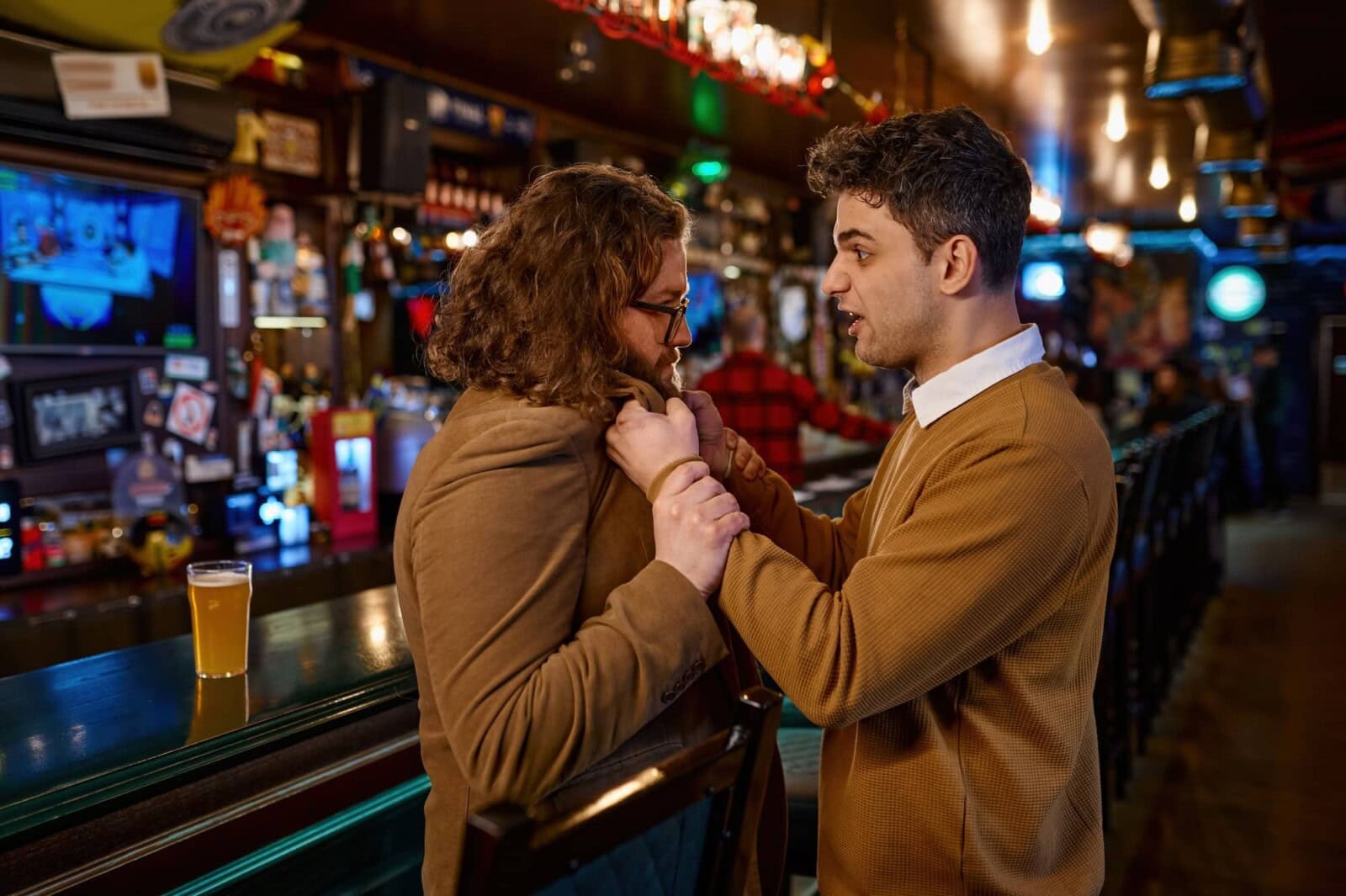
Physical altercations, fights, and severe acts of violence like stabbings or shootings can tragically occur on restaurant premises. While these incidents often happen rapidly, they're frequently preceded by signs of escalating tension that security or staff should have addressed. When a restaurant fails to provide adequate security, intervene promptly in a dispute, or properly manage intoxicated patrons, it directly facilitates these violent outcomes.
Injuries from violence and assault can be catastrophic, including broken bones, lacerations, concussions, internal injuries, or even permanent disability. Victims also frequently suffer severe psychological injuries, such as post-traumatic stress disorder, anxiety, and depression, requiring long-term therapy. The restaurant's liability hinges on whether management reasonably anticipated the possibility of such violence.
Excessive Noise and Disturbances Leading to Injury
Not all dangerous scenarios involve overt violence; sometimes, a failure to manage unruly patrons or an excessively chaotic environment can lead to significant injuries. When disturbances go unaddressed, they can create a dangerous, uncontrolled environment that leads to patron harm. Unruly behavior or excessive noise that staff ignore can quickly escalate into physical altercations.
Beyond direct fighting, an uncontrolled environment can lead patrons to trip and fall due to crowded, uncontrolled movement. Patrons may suffer injuries like sprains, fractures, or head trauma as they attempt to navigate a chaotic scene. A lack of order and safety in the venue, especially in densely packed areas, creates conditions in which injuries are more likely, even without a specific intent to harm.
Other Harmful Actions by Patrons
Restaurants may also be responsible for other harmful actions by third-party patrons. This can include incidents involving sexual harassment or assault that staff failed to prevent or address despite observing concerning behavior. When a staff member ignores repeated or visible harassment, the restaurant may be seen as enabling a hostile environment.
Property damage caused by an unruly guest may also fall under the restaurant's purview if the establishment failed to exercise reasonable control over the situation. In all cases, liability rests on whether the restaurant failed to provide reasonable preventative care to its guests.
Examples of Restaurant Negligent Security
Negligent security refers to a property owner's or management's failure to provide adequate security measures to protect patrons from foreseeable criminal acts or dangerous behavior. Identifying specific failures helps establish liability in a personal injury claim. These failures are often systemic and indicate a broader disregard for patron safety.
Inadequate Staff Training and Supervision
A lack of proper staff training is a common contributor to negligent security claims. Employees must be trained on skills such as de-escalation techniques, recognizing signs of heavy intoxication, and implementing emergency response protocols. Without this training, staff often respond ineffectively or too slowly to developing threats.
The importance of adequate supervision can't be overstated, either. Managers must ensure that staff follow established protocols and intervene effectively when necessary. When staff members feel unsupported or are unaware of their responsibilities, they're more likely to ignore warning signs, allowing a situation to worsen and directly contributing to patron injuries.
Insufficient Security Personnel
In high-risk environments, such as large nightclubs or bars operating during peak late-night hours, having appropriate security personnel is necessary. Insufficient staffing means that security guards cannot properly monitor all areas of the establishment, increasing the risk of unaddressed conflicts. The determination of what constitutes adequate security depends on several factors specific to the venue.
Factors influencing security needs include the size of the crowd, the volume of alcohol served, the time of day, and the establishment’s history of past incidents. An establishment that has experienced multiple assaults in the parking lot should foresee the need for heightened security presence in that area. Failing to adjust security staffing levels to match known risks often demonstrates negligence. A single, overwhelmed bouncer can't reasonably protect hundreds of patrons.
Failure to Intervene or Eject Disruptive Patrons
Restaurants have a responsibility to act decisively when a situation escalates or a patron becomes visibly disruptive or threatening. Waiting too long to address a situation often puts other guests in immediate danger. Management and staff must be prepared to use reasonable force to eject a disorderly patron before the patron causes harm.
The consequences of delayed or absent intervention can be severe, allowing a minor disturbance to turn into a full-scale brawl that seriously injures bystanders. If staff members witness threatening behavior, such as a customer pulling a weapon or physically pushing others, they have an immediate duty to call law enforcement and attempt to safely isolate the threat. Inaction is frequently viewed as a clear breach of the duty of care.
Poor Lighting and Surveillance
Inadequate lighting, both within the interior of the establishment and in surrounding areas like parking lots, significantly contributes to incidents of violence or assault. Dimly lit areas can provide cover for criminals or aggressors, making incidents more likely to occur undetected. Property owners must ensure all pathways and common areas are sufficiently illuminated.
Furthermore, functional, well-maintained surveillance cameras are important for both deterrence and evidence collection. Visible cameras often discourage potential wrongdoers. If an incident does occur, high-quality surveillance footage provides critical evidence to establish exactly what happened, who was involved, and, critically, whether the staff intervened appropriately. A restaurant that operates with non-functioning or poorly placed cameras may face higher liability.
What to Do If Another Patron Injures You In A Restaurant
Being injured unexpectedly by another patron can be terrifying and disorienting. However, the actions you take immediately following the incident and in the subsequent days can significantly impact your ability to pursue a successful legal claim. The first priority is always safety and medical health.
Documenting the Incident
It's important to thoroughly document the incident as soon as possible after the immediate danger has passed. If you're able, use your phone to take photos or videos of the scene, including the exact location where the injury occurred, and visible physical injuries. Documenting the state of the area, such as poor lighting or nearby staff members, can also be helpful.
You should also gather contact information from any witnesses who saw the incident unfold, as their testimony can be invaluable later. Insist on filing an official incident report with the restaurant management before you leave the premises. If management refuses to provide a report, document their refusal and the names of the employees you spoke with.
Seeking Medical Attention
The need for seeking immediate medical attention for any sustained injuries can't be overstated, even if the injuries seem minor at first. Adrenaline can mask pain, and some serious injuries, like concussions or internal issues, may not be immediately apparent. Prompt medical evaluation addresses your health concerns and ensures you receive necessary treatment.
Seeking medical care also creates an official, contemporaneous record of your injuries, their severity, and their link to the incident at the restaurant. This documentation is important for any potential legal claim you might pursue against the establishment. Delaying medical treatment can allow the defense to argue that your injuries weren't serious or were caused by something else later.
Understanding Your Legal Rights
Victims of third-party harm in a Florida restaurant due to negligent security or management failures may have grounds for a personal injury claim against the negligent establishment. Florida's premises liability law is designed to hold property owners accountable when their failures lead to foreseeable harm. Understanding your rights is the first step toward securing justice.
You should know that you have the potential to seek compensation for your losses, which can include medical expenses, lost wages, and pain and suffering. Consulting with a qualified personal injury attorney is a crucial next step. An attorney can review the facts of your case, determine whether negligence occurred, and advise you on the best course of action.
Secure Compensation for Negligent Security Injuries in Florida
A restaurant or commercial establishment has a clear legal duty to protect its patrons from foreseeable harm, even when another guest inflicts that harm. When an establishment is negligent in providing adequate security, supervision, or training, it must be held accountable for the resulting injuries and suffering. Victims of third-party threats shouldn't bear the financial and emotional burden alone.
If you've been injured due to a third-party threat or negligent security at a Florida restaurant or bar, we're here to help. Our expertise lies in aggressively representing victims of premises liability claims, and we fight tirelessly to protect your rights and secure the compensation you deserve.
Call us now or click here to schedule a free, confidential case review with Weinstein Legal Team today.