
Florida drivers face a confusing moment when pulled over and asked to perform field sobriety tests, and most are unsure what they have to do.
Florida drivers can decline field sobriety tests, and no statute penalizes the refusal, though a prosecutor can still tell the jury you declined. That is a different position from the breath or urine test after arrest, and knowing the difference can keep you from creating evidence against yourself. Keep reading to learn more about your rights during DUI investigations.
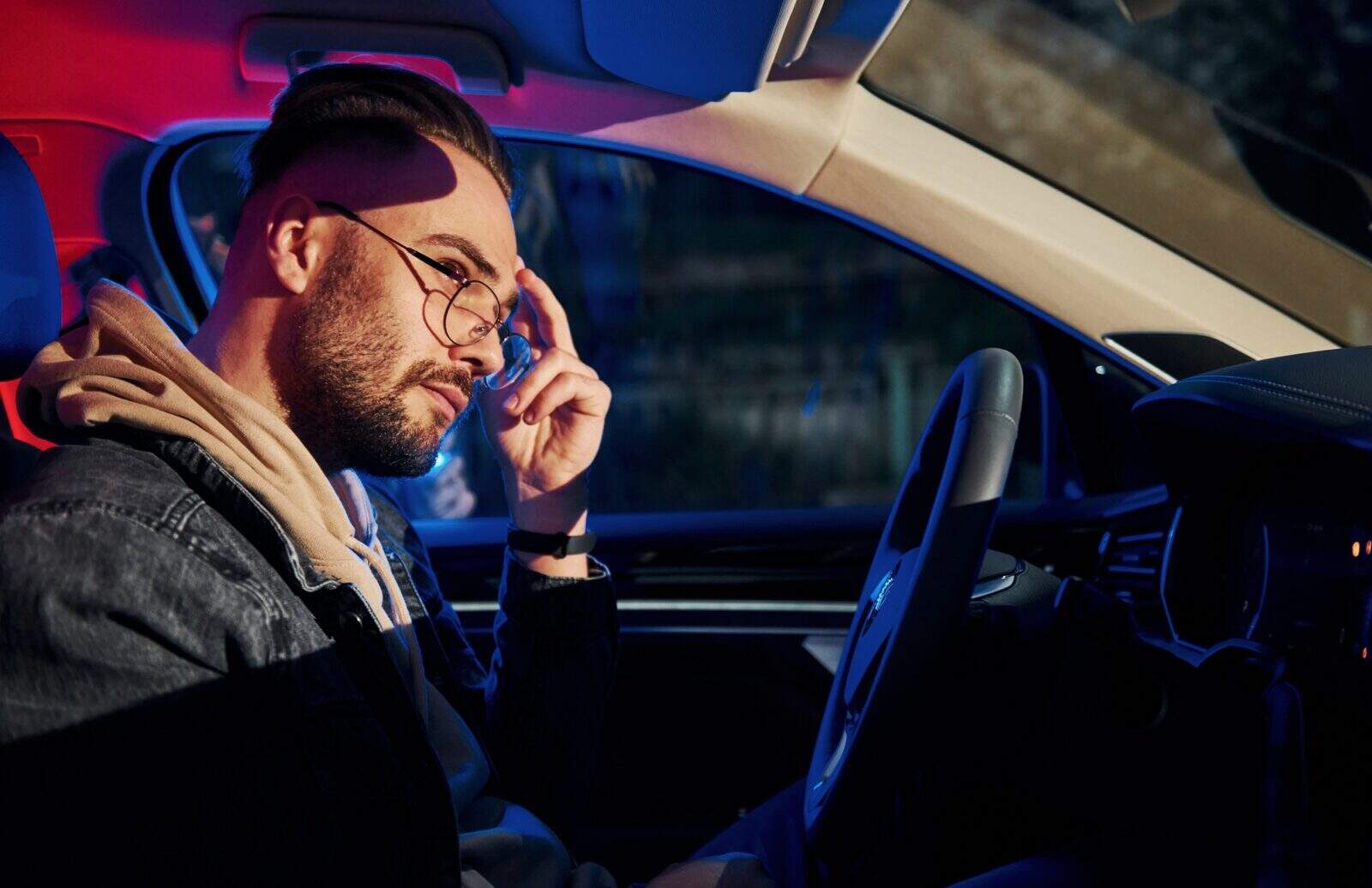
Understanding Field Sobriety Tests in Florida
Field sobriety tests are roadside evaluations used by law enforcement to assess potential impairment during DUI investigations. These tests serve as investigative tools that help officers determine whether they have probable cause to make an arrest.
What Are Field Sobriety Tests?
Field sobriety tests are physical and cognitive exercises designed to detect signs of impairment in drivers suspected of driving under the influence. Officers use these tests to gather evidence and build their case for probable cause to arrest.
The National Highway Traffic Safety Administration has established three standardized field sobriety tests. The 1981 laboratory study that validated them, Development and Field Test of Psychophysical Tests for DWI Arrest (DOT HS 805 864), reported that the horizontal gaze nystagmus test correctly classified 77% of subjects, the walk-and-turn test 68%, and the one-leg stand test 65%. Using all three together, officers classified 81% of subjects correctly.
Law enforcement may also use non-standardized tests such as finger-to-nose, reciting the alphabet, or counting backwards. These additional tests are designed to further evaluate coordination, balance, and cognitive function, though they lack the scientific validation of standardized tests.
The Subjective Nature of Field Sobriety Testing
Field sobriety tests contain inherent subjectivity that can affect their reliability. Medical conditions, fatigue, anxiety, uneven terrain, medications, and poor weather can significantly impair performance on these tests even for sober individuals.
Officer interpretation and personal bias can influence test results. The subjective nature of these evaluations means that two different officers might reach different conclusions about the same performance, raising questions about the accuracy of these tests even under ideal conditions.
Your Right to Refuse Field Sobriety Tests in Florida
No Florida statute requires a driver to perform field sobriety tests, and no statute punishes declining them. That is not the same as a right written into the law: the refusal can still be used against you at trial, and the position differs from the breath or urine test after arrest, which the implied consent law does cover.
Legal Foundation for Refusal Rights
Florida's implied consent law, Florida Statute 316.1932, reaches only breath, blood, and urine testing, so its refusal penalties do not apply to roadside field sobriety exercises. No statute requires you to perform them and none punishes you for declining, but that is a gap in the statutes rather than a right the statute creates, and declining is not free of consequences. In State v. Taylor, 648 So. 2d 701 (Fla. 1995), the Florida Supreme Court held that a driver's refusal to perform field sobriety exercises can be used against him at trial as evidence of consciousness of guilt.
Field sobriety exercises require active participation that can produce evidence against you. Nothing in Florida law compels that participation, and no statute punishes a refusal. Many drivers assume they have to comply. They do not, though an officer can still arrest on everything else he has seen and heard.
No Legal Penalties for Refusal
Refusing field sobriety tests carries no statutory penalties in Florida. Your driver's license cannot be suspended solely for declining to perform these tests. Declining does not prevent an arrest or a DUI prosecution built on other evidence, and it contrasts sharply with the consequences of refusing a chemical test.
The absence of penalties for refusing the field sobriety test differs significantly from Florida's implied consent law. Refusing a breath or urine test triggers an automatic license suspension and, since 2025, a criminal charge of its own. Refusing the roadside exercises triggers neither.
Strategic Considerations for Florida Drivers
Making informed decisions during traffic stops requires understanding both your rights and the practical implications of exercising them. Several factors should influence your decision when facing field sobriety test requests.
Factors to Consider When Making Your Decision
Physical conditions that could affect performance, such as injuries, medical conditions, or medications, may make refusal the better choice. The subjective nature of these tests means that even sober individuals can fail under certain circumstances.
The officer's demeanor and the conditions of the stop should also factor into your decision. Poor lighting, uneven surfaces, or adverse weather conditions can negatively impact test performance. Consider whether you feel capable of performing these tests under the current conditions.
Protecting Your Rights During a Traffic Stop
Being polite but firm when refusing tests helps protect your rights while maintaining respect for law enforcement. You can simply state, "I respectfully exercise my right to refuse field sobriety tests." Avoid lengthy explanations or arguments about your decision.
Exercise your right to remain silent beyond test refusal. Avoid making admissions about drinking, where you were coming from, or how much you had to drink. These statements can be used as evidence against you in court.
Remember that you can remain respectful and compliant with other lawful orders while exercising your right to refuse field sobriety tests. You must still provide your driver's license, vehicle registration, and proof of insurance when requested during any traffic stop.
The Critical Distinction: Field Sobriety Tests vs. Chemical Tests
Understanding the difference between field sobriety tests and chemical testing is important for Florida drivers. This distinction determines your rights and the potential consequences of refusing to cooperate during a DUI investigation.
Understanding Florida's Implied Consent Law
Florida's implied consent law requires drivers to submit to chemical testing when lawfully arrested for DUI. This law applies to breath and urine tests, and to blood tests only in the narrower situations set out in Florida Statutes 316.1932(1)(c) and 316.1933, such as when a breath or urine test is impractical or the crash caused death or serious bodily injury. It does not apply to field sobriety tests. The statute mandates chemical testing post-arrest when officers have probable cause to believe a driver is impaired.
Chemical test refusals trigger automatic license suspensions under Florida's implied consent law. A first refusal brings a one-year license suspension, and the suspension runs 18 months if your license was already suspended, or you were fined under the boating statute (Florida Statute 327.35215), for an earlier refusal. The suspension is no longer the whole story. Under Florida Statute 316.1939, as amended by chapter 2025-121, refusing a lawful breath or urine test after a DUI arrest is a second-degree misdemeanor the first time it happens, punishable by up to 60 days in jail and a fine of up to $500. A later refusal is a first-degree misdemeanor when your license was already suspended, or you were fined under the boating statute (Florida Statute 327.35215), for refusing a breath, urine, or blood test, and the officer told you that refusing again would be a first-degree misdemeanor. The suspension and the criminal charge run on separate tracks, and one refusal can bring both.
The implied consent law creates a legal obligation to submit to chemical testing after arrest. This obligation does not extend to field sobriety tests, which remain voluntary throughout the investigation process.
When Implied Consent Applies
Implied consent comes into effect when an officer has probable cause to believe a driver is impaired and requests a chemical test. This typically occurs after arrest, when the officer has already gathered sufficient evidence to justify taking the driver into custody.
The distinction between pre-arrest and post-arrest testing requirements is significant. Field sobriety tests are typically conducted before arrest, while chemical tests occur after arrest. This timing difference affects your rights and the legal consequences of refusal.
Practical Consequences of Refusing Field Sobriety Tests
While refusing field sobriety tests carries no direct penalties, understanding the practical implications helps drivers make informed decisions during traffic stops.
Impact on Your DUI Case
Refusing field sobriety tests can benefit your defense by preventing the creation of potentially incriminating evidence. These tests often provide prosecutors with additional evidence to support their case, and refusing eliminates this evidence from consideration.
Prosecutors may argue that refusal indicates consciousness of guilt. However, experienced DUI attorneys can counter this argument by citing medical limitations, improper officer warnings, or the unreliable nature of these tests. Defense attorneys can argue that the refusal was a reasonable choice rather than consciousness of guilt.
The absence of field sobriety test evidence can limit prosecution options and force them to rely on less reliable evidence. This limitation can strengthen your defense and potentially lead to better outcomes in your case.
Officer Response and Arrest Procedures
When drivers refuse field sobriety tests, officers may still make arrests based on other observations of impairment. Officers can arrest based on evidence like odor of alcohol, slurred speech, bloodshot eyes, or erratic driving patterns.
Officers might seek alternative evidence following refusal, such as admissions of drinking or observations of behavior. However, the absence of field sobriety test evidence removes one potential source of evidence from their investigation. Defense attorneys can challenge these alternative forms of evidence by questioning their reliability and the officer's training in making such observations.
Building a Strong DUI Defense Strategy
Understanding how your decisions during a traffic stop affect your legal defense helps you make informed choices that protect your interests. The strategic implications of refusing field sobriety tests extend beyond the immediate encounter with law enforcement.
How Refusal Can Strengthen Your Case
Refusing field sobriety tests can benefit your defense strategy by limiting the evidence available to prosecutors. The absence of field sobriety test evidence forces prosecutors to rely on other forms of evidence, which may be less compelling or reliable.
Skilled DUI attorneys can use the lack of field sobriety test evidence to challenge the validity of the arrest and question the strength of the prosecution's case. This absence of evidence can create reasonable doubt about impairment and improve your chances of a favorable outcome.
The strategic advantage of refusal becomes more apparent when considered in conjunction with other defense strategies. Experienced attorneys can build comprehensive defenses that leverage the absence of field sobriety test evidence while challenging other aspects of the case.
Working with Experienced DUI Attorneys
Experienced DUI attorneys understand the complexities of Florida DUI law and can protect your rights throughout the legal process. They can challenge evidence, negotiate with prosecutors, and develop defense strategies tailored to your specific case.
The complexity of DUI law makes professional representation valuable when facing these charges. Knowledgeable attorneys can identify weaknesses in the prosecution's case and work to secure the best possible outcome for your situation. They understand how to argue that declining the field sobriety exercises was a reasonable choice rather than evidence of guilt.
Understanding Your Rights Statewide
You can decline field sobriety tests anywhere in Florida. Whether you're stopped in Miami-Dade, Orlando, Tampa, or any other Florida jurisdiction, the rule is the same.
Enforcement is heavier in some counties than others, but the rules on declining the exercises are the same everywhere in the state.
Miranda warnings aren't required before field sobriety tests since they're considered pre-arrest investigative tools rather than custodial interrogation. Your right to remain silent applies throughout the entire encounter, regardless of when Miranda warnings are given.
Protect Your Rights With Experienced Legal Representation
Understanding your rights regarding field sobriety tests can significantly impact the outcome of your DUI case. You can decline the roadside exercises without a statutory penalty, which keeps one source of subjective evidence out of the file, though a prosecutor is free to bring the refusal up at trial. The breath or urine test after arrest is the opposite call, because refusing that one is both a license suspension and a criminal charge.
If you are facing DUI charges in Florida, the experienced criminal defense attorneys at Weinstein Legal Team can review how the stop and the request for the exercises were handled. We defend DUI cases throughout Florida, including cases built on a refusal. Call us now at 888-626-1108 for a free consultation with a DUI lawyer to discuss your legal options, or click here to schedule your free case review online.