


- Florida law requires motorists to report any motor vehicle collision involving injuries or property damage exceeding $500 to law enforcement to ensure an official Florida Traffic Crash Report is filed.
- To preserve your right to Personal Injury Protection (PIP) benefits, you must receive a medical evaluation from a qualified professional within 14 days of the car accident.
- Florida's modified comparative negligence standard prevents accident victims from recovering any damages if they are determined to be more than 50% at fault for the incident.
- The current Florida statute of limitations for negligence claims requires victims to file a car accident lawsuit within two years of the date of the collision.
- Documenting injuries through a pain journal and avoiding social media posts about the crash are critical steps for protecting the value of your personal injury claim during insurance negotiations.
Recovering from a car accident can be an overwhelming and even scary process for most people. Not only are you dealing with the pain and emotional impact of your injuries, but in many cases, you're also left to fend for yourself with doctors, medical bills, insurance adjusters, and the inability to work.
While the moments following a crash are chaotic, the actions you take during this time are significant for your physical recovery and future car accident injury claims. Understanding the mechanics of these legal and medical requirements is the first step toward securing the compensation you deserve.
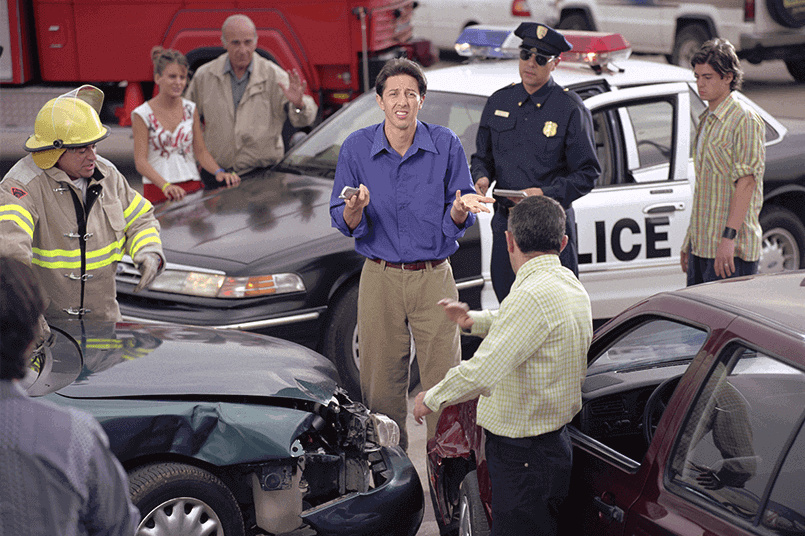
Immediate Steps to Take at the Scene of the Accident
The minutes immediately following a collision are the most important for ensuring everyone's safety and preserving the integrity of a potential claim. Staying calm helps you manage the situation effectively and prevents you from making statements that could be misinterpreted later.
Prioritize Safety and Check for Injuries
Your priority after any crash is the physical safety of everyone involved. If the vehicles are functional and the law allows, you should move them out of the flow of traffic to a safer location on the shoulder. Moving vehicles out of traffic prevents secondary accidents and ensures emergency responders can access the scene more easily.
Once the vehicles are positioned safely, you must check yourself and any passengers for both visible and non-visible injuries. Adrenaline often masks pain immediately after an impact, so even minor discomfort should be acknowledged and noted. It's common for internal injuries or soft tissue damage to manifest hours or days after the initial event.
Ensuring that you do not exit the vehicle into oncoming traffic is another basic but necessary safety measure. If it's too dangerous to move the cars, turn on your hazard lights and stay buckled until help arrives. Keeping a clear head during these first few minutes sets the stage for a more organized response to the accident.
Reporting the Accident to Law Enforcement
In Florida, calling 911 is required for any accident involving injuries, fatalities, or significant property damage. Florida law specifically requires motorists to report an accident when any person is injured or when property damage appears to exceed $500. Calling 911 ensures that emergency medical services are dispatched and that an officer arrives to document the event.
The responding officer's role includes creating an official Florida Traffic Crash Report (Long Form), which serves as foundational evidence in your case. This report must be completed within 10 days after the investigation is finished for any crash involving injuries or complaints of pain. It typically includes the date, time, and location, as well as a description of the vehicles and parties involved.
Before leaving the scene, you should ask the officer for a copy of the driver's exchange of information. The driver's exchange of information provides a summary of the other party's details and the case number assigned to the police report.
Having this information immediately allows you to begin documenting injuries and initiating the insurance notification process. Always ensure the officer notes any complaints of pain, even if they seem minor at the time. Accurate law enforcement documentation is one of the most powerful tools available for your legal team.
Exchanging Information with Other Drivers
While waiting for the police to arrive, you should exchange specific details with the other parties involved in the collision. It's necessary to collect their full names, contact information, insurance policy numbers, and vehicle identification numbers. You should also note the make, model, and license plate number of every vehicle involved in the crash.
Interactions with the other driver should remain brief, professional, and limited to the exchange of required data. Avoid engaging in unnecessary conversation about the cause of the accident or who might be at fault for the impact. Insurance companies can use statements made in the heat of the moment to devalue your claim later.
If the other driver is uncooperative or aggressive, wait for the police to facilitate the exchange of information. You don't need to argue or negotiate at the scene, as the official report will capture the necessary details. Keeping your distance and staying focused on data collection helps maintain a clear record of the events.
Essential Evidence to Collect Before Leaving the Scene
The scene of a car accident is a temporary environment that changes rapidly once tow trucks and clean-up crews arrive. Evidence available immediately after the crash can disappear within minutes or hours, making your own documentation necessary. If you are physically able to do so, performing a brief investigation at the scene can provide support for your claim.
Capturing Comprehensive Photo and Video Evidence
Visual documentation provides an objective record of the crash that is difficult for insurance companies to dispute. You should take wide shots of the entire scene from multiple angles to show the vehicles' positions relative to one another. These photos help accident reconstruction experts understand the physics of the collision and the direction of travel.
Close-up photos of the damage to all involved vehicles are equally important for demonstrating the force of the impact. Be sure to capture images of skid marks, broken glass, and debris scattered across the roadway. Documentation of road signs, traffic signals, and any obstructions to the driver's view can also provide context regarding the cause of the crash.
If you have a dash-cam installed in your vehicle, ensure the footage is saved and protected immediately. You should also look for nearby homes or businesses that may have captured the incident on doorbell cameras or security systems. These devices often provide the most unbiased account of how the collision actually occurred.
Documenting Property Damage and Surroundings
In addition to vehicle damage, photograph any damaged personal property inside the car, such as laptops or car seats. Capture the weather conditions, the state of the asphalt, and any temporary construction markers that might have influenced the crash. These details provide a complete picture of the environment at the time of the impact.
Your attorney can send a preservation-of-evidence letter to nearby property owners to ensure they do not overwrite their security footage. This step is a standard part of a thorough investigation for dash-cam or surveillance evidence. Acting quickly to secure these digital records can prevent the loss of proof that determines the outcome of your case.
Identifying and Speaking with Eyewitnesses
Third-party perspectives are often viewed as more objective than the accounts provided by the drivers involved in the accident. If there are people who witnessed the crash, you should approach them politely and ask for their contact information. Their testimony can be a deciding factor when there are conflicting versions of how the accident occurred.
Ask witnesses if they would be willing to provide a brief statement of what they saw while the memory is still fresh. You can record these statements on your phone or write them down, but ensure you get their phone numbers and email addresses for future follow-up. Witnesses who were not involved in the collision have no financial stake in the outcome, which lends weight to their observations.
Sometimes witnesses are in other vehicles or are pedestrians who might leave the scene before the police arrive. Attempting to identify these individuals quickly can provide a significant advantage in proving liability. Even if they only saw a small portion of the event, their input can help fill in gaps in the official narrative.
What to Do in a Hit and Run or Uninsured Motorist Accident
Florida consistently ranks among the states with the highest number of uninsured drivers on the road today. This reality makes uninsured motorist coverage a valuable part of your car insurance policy. If a driver flees the scene or lacks insurance, your own carrier may be responsible for your damages.
Uninsured Motorist (UM) coverage functions as a secondary layer of protection for you and your passengers. It covers medical bills and lost wages when the at-fault party cannot pay. Please check your policy to confirm whether you have stacked or unstacked UM coverage before an accident occurs.
In a hit-and-run situation, you should gather as much information as possible about the fleeing vehicle, such as the color or partial plate. Report the incident to the police immediately to establish a record of the criminal act. Your insurance company will require this police report to process a claim under your UM benefits.
Special Considerations for Rideshare Accidents
Accidents involving Uber and Lyft are unique because of the companies' layered insurance policies. The amount of available coverage depends entirely on the driver's status within the app at the time of the crash. If the app is off, the driver's personal insurance is the primary source of recovery.
When the driver is logged in but has not yet accepted a ride, higher insurance limits typically apply. Once a passenger is in the vehicle, rideshare companies often provide up to $1 million in liability coverage. Navigating these various tiers requires a clear understanding of corporate insurance contracts and Florida law.
You should always take a screenshot of your ride details if you are a passenger during a collision. This provides proof of the driver's active status and the specific vehicle involved in the crash. Determining which insurance policy is active is a necessary step in seeking full compensation for your injuries.
The 14-Day Rule and Medical Treatment in Florida
Florida's insurance landscape is governed by specific rules that mandate quick action following a motor vehicle accident. The state's Personal Injury Protection (PIP) laws include strict deadlines that can catch victims off guard if they aren't prepared. Failing to adhere to these timelines can result in the total loss of certain insurance benefits.
Understanding Personal Injury Protection (PIP)
Florida is considered a no-fault state, which means that your own insurance company pays for a portion of your losses regardless of who caused the crash. Florida law mandates PIP insurance for all registered motor vehicles. The PIP system is designed to provide immediate financial relief for medical expenses and lost wages without waiting for a lengthy legal battle over fault.
PIP coverage typically pays for 80% of covered medical expenses and 60% of lost wages, subject to the limits of your specific policy. PIP coverage is the primary source of recovery for your initial medical bills and immediate financial needs. Because it is no-fault coverage, you can access these benefits even if the accident was partially your fault.
PIP has limitations and does not cover the full extent of many serious injuries. While it provides a safety net for initial costs, it doesn't address non-economic damages like pain and suffering. Understanding how PIP insurance functions is the first step in navigating the broader landscape of car accident settlements.
Why You Must See a Doctor Within 14 Days
One of the most rigid requirements in Florida law is the 14-day rule for seeking medical treatment, which includes weekends and holidays. To qualify for any PIP medical benefits, you must receive initial treatment from a qualified medical professional within 14 days of the accident. If you wait until the 15th day, your insurance company has the legal right to deny your claim for PIP medical coverage entirely.
A professional evaluation is necessary even if you believe your injuries are minor or if your symptoms haven't fully appeared yet. To unlock the full $10,000 PIP benefit, a doctor must determine that you have an Emergency Medical Condition (EMC). An Emergency Medical Condition is defined as acute symptoms of sufficient severity that the absence of immediate medical attention could place the patient's health in serious jeopardy.
If a medical professional does not find that an Emergency Medical Condition exists, your PIP medical benefits are capped at $2,500. The gap in available coverage highlights the importance of being evaluated by someone who understands the Florida PIP statute. Seek a medical evaluation within this two-week window to preserve your financial recovery options.
Reaching Maximum Medical Improvement (MMI)
Maximum Medical Improvement, or MMI, is a status reached when your condition has stabilized, and no further healing is expected. You should not attempt to finalize car accident settlements before reaching this point. Settling too early can leave you without the funds you'll need for lifelong medical care.
A doctor will provide an impairment rating once you reach MMI. The impairment rating helps your legal team calculate the total value of your claim by accounting for future care and therapy. Wait until your medical recovery is stable before discussing a final compensation figure with any insurance company.
Navigating the Insurance Claims Process
The administrative side of a car accident can be just as complex as the physical recovery process. Dealing with insurance companies requires a cautious approach, as these organizations are businesses focused on minimizing their financial liability. While your own insurance company has a duty to assist you, it will still scrutinize every detail of your claim.
Reporting the Accident to Your Insurance Provider
You have a contractual obligation to notify your insurance company promptly after an accident occurs. Most policies require this notification within a specific timeframe, often within 24 to 72 hours of the event. Failing to report the crash could give the insurer a reason to deny coverage or cancel your policy.
When you make this initial report, you should stick strictly to the basic facts of the incident. Provide the date, time, and location of the crash, along with the names of the other parties involved. Avoid offering opinions on who was at fault or providing a detailed description of your injuries until you have spoken with a lawyer.
It is common for insurance representatives to ask leading questions during this initial call to get you to admit partial fault. You aren't required to provide a narrative of the accident over the phone immediately. Keeping the conversation short and factual protects your ability to pursue a more comprehensive claim later.
Why You Should Avoid Giving a Recorded Statement
Insurance adjusters from the other driver's company will often contact you shortly after the accident to request a recorded statement. They may frame this request as a standard part of the process or a way to speed up your settlement. Recorded statements are frequently used to find inconsistencies in your story and reduce the value of your claim.
Adjusters are trained to ask questions that can lead you to downplay your injuries or suggest you were distracted during the crash. Because you may still be in shock or on pain medication, your answers might not be as accurate as they would be later. Once a statement is recorded, it's very difficult to correct or change your account of the events.
You have the right to politely decline any request for a recorded statement from the other driver's insurance provider. You can state that you are not prepared to give a statement at this time and that they should contact your attorney. This simple step prevents the insurance company from using your own words against you during negotiations.
Documenting the Impact of Injuries on Your Daily Life
A successful car accident claim involves more than just adding up medical bills and repair estimates. The pain and suffering component of a settlement requires detailed proof of how the injuries have changed your quality of life. Without a consistent record of these changes, it's difficult to demonstrate the full extent of the non-economic damages you've suffered.
Keeping a Post-Accident Pain Journal
Maintaining a daily log of your physical and emotional state is one of the best ways to document the progression of your recovery. You should record your daily pain levels on a scale of 1 to 10 and describe the specific sensations you're experiencing. Note any activities that you can no longer perform, such as household chores, exercise, or playing with your children.
Consistency in journaling provides a clear timeline that links your current limitations directly to the accident. Be honest about your struggles, including how the injuries affect your sleep, your mood, and your family life. This record becomes a powerful tool when explaining the impact of the crash to an insurance adjuster or a jury.
Include details about the frequency of your medical appointments and any side effects you experience from medications. The more specific you are, the harder it is for the defense to claim that your injuries are exaggerated. A well-maintained journal serves as a memory aid when you need to provide testimony months or years after the event.
Tracking Lost Wages and Out-of-Pocket Expenses
The financial impact of a car accident extends beyond the initial medical bills to include a variety of out-of-pocket expenses. You should keep every receipt for medications, medical equipment like crutches or braces, and transportation costs for appointments. These small expenses can add up to a significant amount over several months of treatment.
Tracking lost wages is equally important for a comprehensive claim, especially if you had to take unpaid leave or use sick days. You should obtain documentation from your employer that details your missed workdays and your rate of pay during that time. If your injuries prevent you from returning to the same type of work, this documentation helps prove a loss of future earning capacity.
Keep a dedicated file for all accident-related paperwork, including invoices from specialists and records of any co-pays you've made. Having these documents organized makes it easier for your legal team to calculate the true value of your claim. Thorough financial records ensure that no part of your economic loss is left out of the final settlement.
Understanding Florida's Evolving Negligence and Liability Laws
House Bill 837, signed into law in March 2023, significantly changed how car accident claims work in Florida. These changes affect how fault is determined and how long a victim has to seek justice through the court system. Understanding these laws is necessary for anyone involved in a motor vehicle collision, as they directly impact the potential for financial recovery.
Florida's Modified Comparative Negligence Standard
Florida recently transitioned from a pure comparative negligence standard to a modified comparative negligence standard. Under the old system, a person could recover damages even if they were 99% at fault. The new law is much stricter and places a cap on who can recover damages.
If a plaintiff is found to be more than 50% at fault for the accident, they are now completely barred from recovering any damages from other parties. The 50% bar makes investigating the fault even more necessary than before. If a jury determines you were 51% responsible because you were speeding, you will recover $0 in damages, even if the other driver was also negligent.
Because of this standard, the other driver's insurance company will work hard to shift as much blame as possible onto you. They may look for evidence of speeding, distracted driving, or failure to use a turn signal to increase your percentage of fault. Having a clear record of the accident helps combat these tactics and preserves your right to compensation.
The New Statute of Limitations for Negligence
The timeframe allowed for filing a lawsuit following a car accident in Florida was recently shortened. The 2023 Florida statute limits negligence lawsuits to 2 years from the date of the accident. The update to the law means you have significantly less time to investigate your case, reach a settlement, or file a formal complaint in court.
If you fail to file a lawsuit within this two-year window, you lose your right to pursue the case forever, regardless of how severe your injuries are. The shortened deadline creates a sense of urgency that hasn't existed in Florida for many years. It's important to begin the legal process as soon as possible to ensure that all deadlines are met.
Taking early action is the best way to protect your legal standing and ensure evidence does not grow stale. Witnesses may move away or forget details, and physical evidence at the scene will inevitably disappear.
What to Do if You Are an Injured Pedestrian or Cyclist
Florida has some of the highest rates of pedestrian and cyclist accidents in the country. If you were hit while walking or biking, you are still entitled to PIP benefits through your own auto insurance policy or a resident relative's policy. If you do not own a vehicle, you may be able to claim benefits through the insurance of the driver who hit you. You must still adhere to the 14-day rule to secure medical coverage for your injuries.
The Strategic Importance of Hiring a Florida Car Accident Attorney
Legal representation is often the difference between a minimal settlement and a recovery that truly covers all of your losses. A car accident attorney manages the heavy lifting of the legal process, from investigating the crash to negotiating with multi-billion-dollar insurance companies. This allows you to focus your energy on medical treatment and getting your life back to normal.
When you are considering hiring a lawyer, look for a personal injury law firm with well-documented case results, good reviews from past clients, and experience with the type of accident you're dealing with.
Investigating the Crash and Gathering Expert Testimony
Weinstein Legal Team uses a variety of resources to build a strong case on your behalf. We typically request 911 audio, body-worn camera footage, official police reports, and background information on all parties involved in the accident.
We also work with medical experts who can testify about the long-term impact of your injuries and the cost of future care. Private investigators may be used to locate witnesses or uncover surveillance footage from nearby businesses that captured the crash. These investigative steps are often complex for an individual to handle on their own.
By gathering this high-level evidence, an attorney can build a case that is difficult for the insurance company to ignore. We look for every possible source of liability, including mechanical failures or poor road maintenance. This thorough approach ensures that every factor is considered when pursuing justice for our clients.
Negotiating with Insurance Companies for a Fair Settlement
Insurance companies often present low-ball offers early in the process, hoping that the victim's financial stress will lead them to settle quickly. We understand the true value of a claim and can recognize when an offer is insufficient. Our team handles all communication with the adjusters so that you won't be pressured into a bad deal.
The negotiation process often begins with a formal demand letter that outlines the facts of the case and the total damages suffered. The demand letter includes current medical bills, estimates for future care, and the impact on your earning potential. We use our experience to calculate a figure that accurately reflects the full scope of your losses.
We know the tactics adjusters use and how to counter them with hard facts. Having a professional negotiator on your side ensures that you aren't taken advantage of during this phase.
Preparing for Litigation and Trial
While many car accident cases are settled out of court, some require a trial to resolve. An experienced attorney prepares every case as if it's going to trial from the very first day. This level of preparation sends a clear message to the insurance company that you are serious about your claim.
Litigation involves a formal process called discovery, in which both sides exchange evidence and take witness depositions. Navigating discovery is often technical and time-consuming because it requires a deep understanding of court rules and procedures. A firm that is not afraid to litigate against major corporations provides a significant advantage for the victim.
If the case does proceed to trial, having a skilled advocate to present your story to a jury is invaluable. We handle the selection of jurors, the presentation of evidence, and the cross-examination of defense witnesses. Our goal is to ensure the jury understands the impact the accident has had on your life.
Common Mistakes to Avoid After a Car Accident
Even a strong case with clear liability can be derailed by simple errors in the weeks following a crash. Many victims unknowingly provide the insurance company with the very evidence needed to deny or reduce their claim. Being aware of these common pitfalls is just as important as knowing what steps to take.
Avoiding Social Media Posts About the Accident
In the modern digital age, insurance adjusters and defense attorneys frequently monitor the social media accounts of accident victims. They look for any information that might contradict your claims of injury or physical limitation. Even a seemingly innocent photo of you at a family gathering can be used against you.
The defense may argue that if you are well enough to attend a party, your injuries aren't as severe as you've claimed. They can also use your posts to suggest that your emotional state is better than you've described. It's best to stay off social media entirely regarding the accident and avoid posting any photos during your recovery.
You should also ask your friends and family not to post photos of you or tag you in their own updates. Information shared online is often discoverable in a legal case, and it's difficult to explain the context of a single photo to a jury. Protecting your privacy during this time is a simple way to safeguard your claim.
Failing to Follow Through with Medical Treatment
A concept known as mitigation of damages requires accident victims to take reasonable steps to minimize the impact of their injuries. Mitigating damages means you must follow your doctor's orders to the letter by attending all follow-up appointments and physical therapy sessions. If you skip treatments, the defense will argue that you aren't actually injured.
Gaps in medical treatment are among the most common reasons insurance companies offer lower settlements. They will claim that if you were truly in pain, you would have made it to your appointments. Consistent medical records provide the proof that you are actively working toward recovery.
Even if you start feeling better, you should not stop treatment until your doctor officially releases you. Some injuries have a high risk of relapse if the full course of therapy isn't completed. Following through with the entire medical plan protects both your health and your legal interests.
Speak To A Lawyer About Your Car Accident Injuries Today
The moments following a motor vehicle collision are critical for your physical and financial future. Navigating Florida's complex insurance laws, such as the 14-day PIP rule and the new statute of limitations, requires immediate and decisive action. Understanding your rights and the various deadlines involved is the first step toward reclaiming your life after a crash.
Our team at Weinstein Legal has years of experience handling complex claims, such as multi-vehicle pileups on I-95 or head-on collisions in South Florida. We are here to ensure that your voice is heard and your rights are protected.
We provide aggressive representation and personalized service to every client, working on a contingency-fee basis. You do not pay us any upfront costs unless we win your case. Call Weinstein Legal Team 24/7 at (888) 626-1108 for a free case review with a lawyer, or click here to schedule a case review today.